
REVIEW · SOUTH AFRICA
Cape Town: Robben Island ferry ticket with guided tour
Robben Island is not just a prison museum. It is a place where South Africa’s past becomes personal, especially when a former political prisoner explains what life was like behind the walls. You ride over from the Nelson Mandela Gateway, visit Nelson Mandela’s cell, and see sites tied to both political imprisonment and the island’s earlier history.
I like two things in particular: the 30-minute ferry ride gives you fine views of Cape Town and Table Mountain, and the guide’s firsthand account adds weight that a standard museum tour cannot match. The main caution is organization. The tour can feel rushed, and crowded buses may limit your view of the island.
Key points to know before you book
- A former political prisoner leads the island story, giving the tour a direct human voice.
- Nelson Mandela’s cell is the emotional center, but the Lime Quarry and Robert Sobukwe’s house add important context.
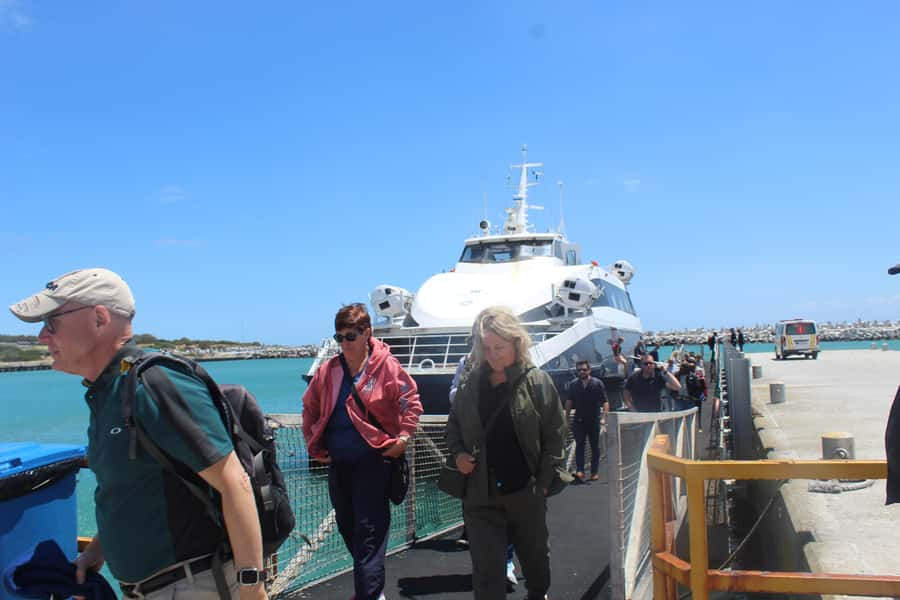
- The ferry takes about 30 minutes each way, with views back toward Cape Town and Table Mountain.
- The four-hour visit includes transport and guiding, but not food, lunch, or hotel transfers.
- Crowded buses and a brisk pace can affect comfort, especially if you cannot get a good window seat.
- Bring photo identification, a jacket, and comfortable clothes, and avoid the trip if you are prone to seasickness.
Starting at the Nelson Mandela Gateway
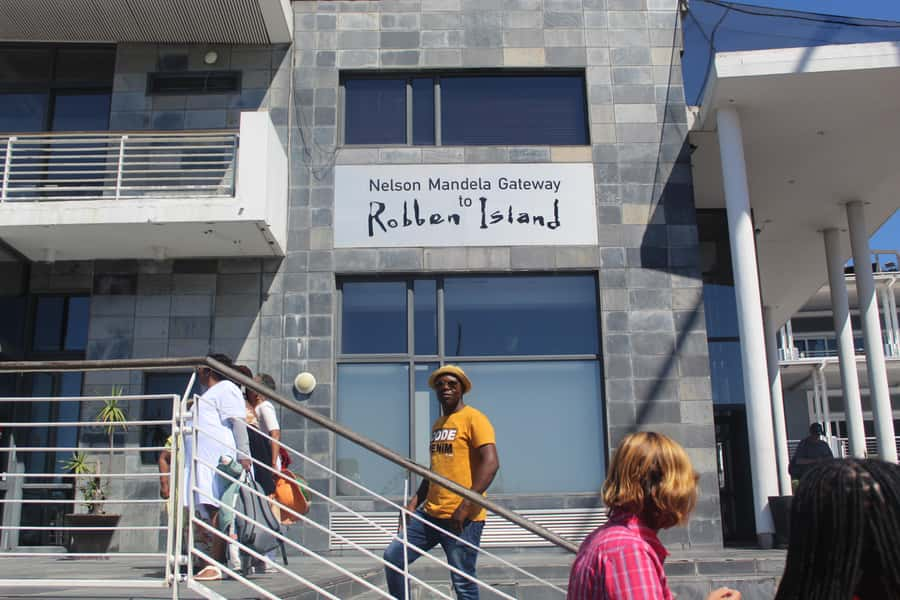
You begin at the V&A Waterfront, next to the Clocktower, at the Nelson Mandela Gateway to Robben Island. This is both the meeting point and the ferry terminal, so you do not need to arrange a separate transfer from central Cape Town.
I would allow enough time to find the gateway without rushing. The waterfront is an active part of the city, and the departure point can be easy to miss if you are focused on shops, restaurants, and harbor views. Your ferry ticket, live English-speaking guide, island tour, and prison visit are included in the $74 price.
Hotel pickup is not included. You also need to bring a passport or ID card, as well as a jacket. Even if the day feels warm at the waterfront, the ferry ride can feel cooler once you are out on the water.
More Ferry Trips in Cape Town:
- Cape Town: Robben Island Ferry Ticket and Guided Prison Tour
★ 4.1 · 1,792 reviews - Cape Town: Robben Island Ferry Tour with 1-Way Hotel Pickup
★ 4.2 · 1,380 reviews - Cape Town: Robben Island Ferry Ticket and Townships Tour
★ 4.5 · 400 reviews
The 30-minute ferry ride across Table Bay
The ferry crossing is more than a way to get from Cape Town to the island. It gives you time to look back at the city from the water, with Table Mountain forming the main backdrop. On the return trip, you get another chance to take in the coastline and the mountain.
I like this part because it creates a clear separation between modern Cape Town and the island’s solemn past. The crossing also gives you a moment to prepare for a serious visit rather than stepping straight from a city street into a prison compound.
The sea can be rough, and seasickness is the main comfort concern on this experience. If you are prone to motion sickness, you should think carefully before booking. A jacket and comfortable clothing are practical choices, not just packing suggestions.
Seeing Robben Island beyond the prison walls

Once you reach Robben Island, the tour is not limited to Mandela’s prison cell. You visit several locations that show how the island served different purposes over time and how political imprisonment worked within a larger system.
The exact order of the stops may vary, but the main sites include:
- The leprosy graveyard
- The Lime Quarry
- Robert Sobukwe’s house
- The maximum-security prison
- Nelson Mandela’s former cell
This wider route matters. If you only saw the cell, you would leave with one powerful image but a partial understanding of the island. The surrounding sites show that Robben Island was not simply a place where famous prisoners were held. It was a controlled environment with its own buildings, work areas, rules, and painful earlier uses.
The leprosy graveyard and the island’s earlier story
The leprosy graveyard points to a chapter that predates the apartheid prison system. It reminds you that the island’s role in South African history began long before Nelson Mandela arrived there.
This stop may not carry the immediate recognition of Mandela’s cell, but I consider it important because it broadens the visit. You see the island as a place shaped by several periods of isolation and institutional control, not as a single memorial devoted to one person.
The tour moves at a steady pace, so you may not have long at every location. Listen closely to the guide’s explanations and save your photographs for moments when the group stops. Trying to document every detail can make it harder to follow the story.
A few more island trips around Cape Town worth a look
- Cape Town: Robben Island Ferry with Prison Ticket and Tour
★ 4.0 · 324 reviews - Robben Island Ferry Ticket and Guided Prison Tour
★ 3.0 · 160 reviews - Cape Town: Robben Island ferry ticket plus Guided Tour
★ 3.3 · 37 reviews - Cape Town: Robben Island Boat Trip & Museum Tour Ticket
★ 3.9 · 28 reviews
The Lime Quarry and Robert Sobukwe’s house
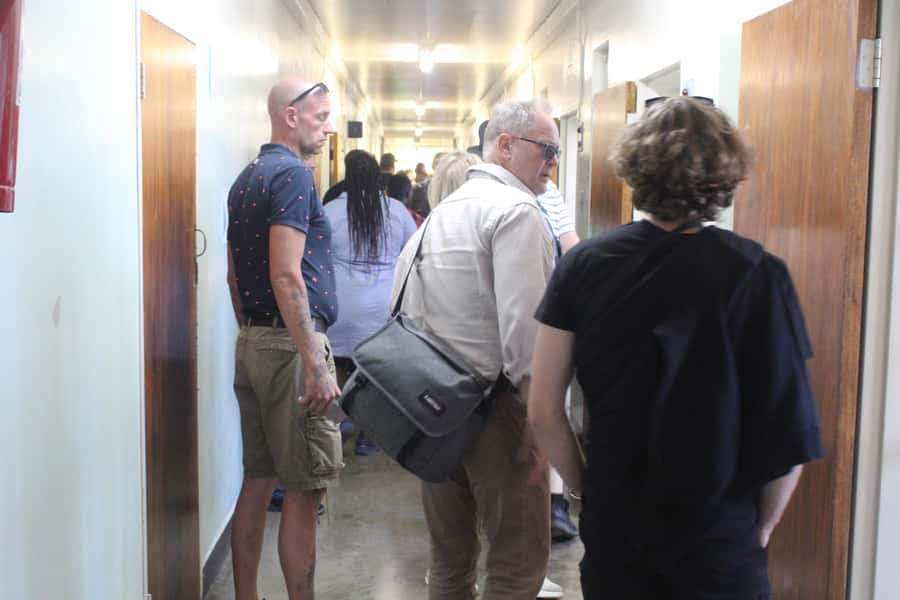
The Lime Quarry is one of the most meaningful outdoor stops. Political prisoners worked there, and the site helps you understand the physical demands imposed on inmates. It also gives the guide a place to explain how prison labor formed part of daily life.
Robert Sobukwe’s house adds another layer. Sobukwe was a major anti-apartheid figure, and his separate confinement shows that imprisonment was not handled in one uniform way. The site helps explain how certain political prisoners were isolated and treated differently from others.
These locations are easy to underestimate if you are waiting only for Mandela’s cell. I found their value in the detail they add. They show how the prison system operated through work, separation, surveillance, and strict control rather than through walls alone.
Inside the maximum-security prison
The maximum-security prison is the central setting for the guided portion of the visit. Here, the former prisoner’s account becomes especially important. A guide who lived through imprisonment can explain the place in terms of daily experience, not only dates and official facts.
You should expect the tone to be serious. The tour focuses on apartheid, political imprisonment, and the conditions people faced on the island. This is not a light sightseeing stop, and the value comes from paying attention to the human detail in the presentation.
The prison portion can feel hurried. The tour lasts four hours in total, and that includes both ferry crossings and the island route. A brisk schedule allows the group to cover the main places, but it does not always leave much time for quiet reflection or extended questions.
Nelson Mandela’s cell and the emotional center of the visit
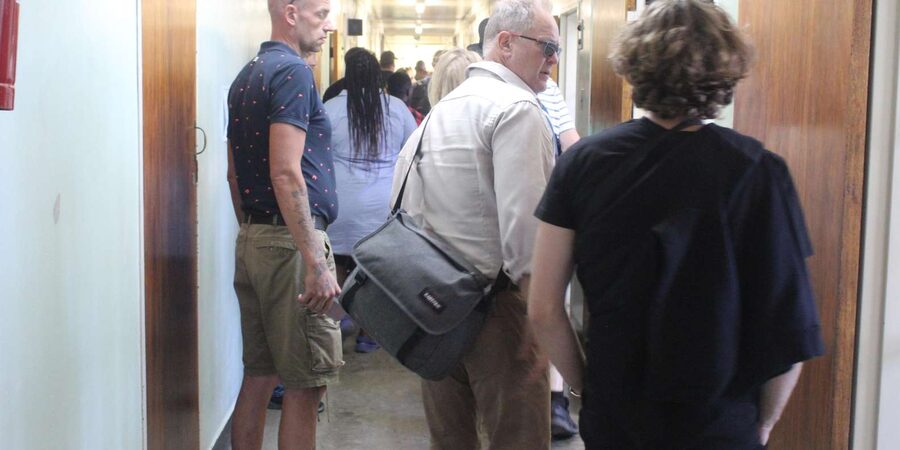
Nelson Mandela’s former cell is the stop most people anticipate. It is a small, plain space, and its power comes from the contrast between its size and the worldwide importance of the person who spent years there.
You do not need a grand exhibit to understand why the cell matters. The restricted space brings the prison system down to human scale. Mandela’s political work and later role in South Africa’s transition can feel abstract when discussed in a city museum. Here, the cell gives those events a physical setting.
I recommend treating this as more than a quick photograph. Listen to the guide’s explanation, look at the proportions of the room, and notice how little privacy and comfort the space offered. The visit is brief, but it is likely to be the moment you remember most clearly.
The former prisoner guide makes the difference
The strongest part of this experience is the live guide who was formerly imprisoned on Robben Island. That firsthand connection changes the tone of the visit. You are not simply reading about apartheid from a display panel. You are hearing an account shaped by direct experience.
The guide’s role is not limited to escorting you from one site to another. The explanations connect the buildings with the people who lived and worked there, giving the island a human dimension. The information is in English, and the tour is designed around spoken interpretation.
This also means the quality of the experience depends partly on the pace and delivery of the guide on your departure. The account can be informative and moving, but a fast presentation may leave you wishing for more time at certain sites.
Crowds, buses, and the pace of the tour
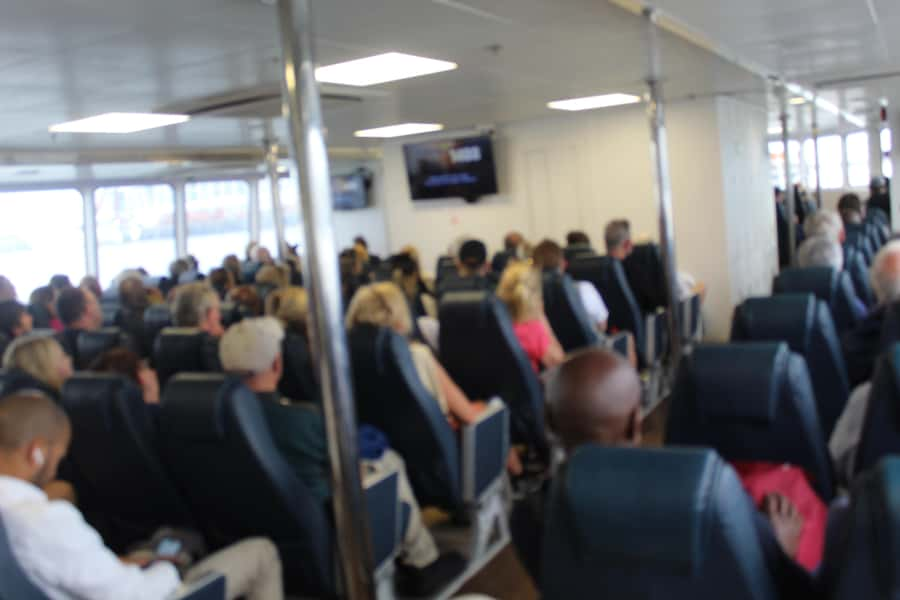
The island portion uses buses to move between the main areas. This is practical because Robben Island covers more ground than you can comfortably walk during a four-hour visit. It also lets the group see several separate locations without spending the entire day in transit.
The tradeoff is comfort. Buses can become crowded, and your seat may affect what you can see through the windows. An aisle seat can make it harder to look outside, and you may not be able to get off at every point along the route.
I would treat the bus ride as transport with commentary, not as a scenic drive where you can freely stop for photographs. Pay attention to the guide, and do not count on having a clear view from every seat. The tour covers important ground, but it is not designed as a slow, open-ended island exploration.
The brisk organization has another consequence: the experience can feel like a group being moved from one point to the next. That does not erase the value of the visit, but it is worth knowing if you prefer small groups, long pauses, or plenty of time for independent wandering.
Is $74 a fair price?
At $74 per person, the cost is reasonable if you want the ferry, island transportation, prison access, and a live guide in one four-hour experience. You are paying for more than a boat ticket. The price covers the crossing, the guided island route, and the chance to hear a former prisoner explain the site.
The value is strongest for first-time visitors to Cape Town who want historical context without arranging separate transport and admission. The tour brings the main sites together and keeps the day fairly contained.
The value is weaker if you want a relaxed pace or a private experience. You are sharing the ferry, buses, and guided schedule with other people, and the day does not include lunch or hotel pickup. You should also allow for your own food arrangements before or after the tour.
Because the ferry is central to the visit, weather and sea conditions can affect the day. The experience includes free cancellation up to 24 hours before departure, and you can reserve now while paying later. Those options are useful when your Cape Town schedule is still changing.
Who should book this Robben Island experience?
I would recommend it to anyone with a serious interest in South African history, apartheid, Nelson Mandela, or the development of modern South Africa. It suits you especially well if you value personal testimony and want to hear directly from someone who experienced political imprisonment.
It is also a good choice for visitors who prefer an organized half-day outing. You meet at one clear point, cross by ferry, follow a set route, and return to the same gateway. You do not need to plan separate island transport or research each location on your own.
You may want to reconsider it if you dislike boats, feel unwell at sea, or need a slow pace. The four-hour schedule includes a lot, and the crowded bus arrangements can make the visit less comfortable. People who need frequent breaks or quiet time may find the pace demanding.
The experience is wheelchair accessible, which makes it available to a wider range of visitors. You should still bring comfortable clothing and confirm the practical details when booking if you have specific mobility needs.
Practical tips for making the day better
Arrive at the V&A Waterfront with enough time to find the Nelson Mandela Gateway beside the Clocktower. Do not assume the ferry terminal will be immediately obvious once you reach the waterfront.
Bring your passport or ID card. A jacket is useful for the ferry, and comfortable clothes will help during the island portion and bus transfers.
Keep your expectations realistic. You will see the main sites, but you will not have unlimited time at each one. If photography matters to you, take a few useful images and then return your attention to the guide.
If you are sensitive to motion, seasickness is the most important issue to consider. The ferry takes about 30 minutes each way, so the boat ride is a substantial part of the day rather than a short harbor hop.
Plan food separately. The tour does not include lunch or other meals, and hotel pickup and drop-off are also outside the price.
Should you book it?
Book this tour if you want the most direct introduction to Robben Island, especially the prison and Mandela’s cell, and if a former prisoner’s firsthand account matters to you. The ferry views, the Lime Quarry, Robert Sobukwe’s house, and the prison route give you more than a single memorial stop.
Skip it if you need a quiet, flexible day or if you are prone to seasickness. The organization can feel rushed, buses may be crowded, and your view may depend on where you sit.
For most first-time visitors to Cape Town, I think the visit is worth making. Go for the historical meaning and the personal account, not for a leisurely outing. You will get the most from it by arriving prepared, listening carefully, and accepting that the schedule is built to cover a great deal in four hours.
FAQ
Where does the Robben Island tour begin?
The tour begins at the Nelson Mandela Gateway to Robben Island at the V&A Waterfront, next to the Clocktower.
How long does the experience last?
The full experience lasts four hours, including the ferry rides and the guided tour of Robben Island and the prison.
How long is the ferry ride?
The ferry ride takes about 30 minutes each way between Cape Town and Robben Island.
Is Nelson Mandela’s prison cell included?
Yes. The guided tour includes a visit to Nelson Mandela’s former prison cell.
Who guides the tour?
A live English-speaking guide leads the tour, and the prison story is presented by a former political prisoner.
What should I bring?
Bring a passport or ID card, a jacket, and comfortable clothes.
Are hotel transfers and food included?
No. Hotel pickup and drop-off, food, and lunch are not included.
Just added around Cape Town
- Robben Island Museum, Stellenbosch Wineries plus Ferry Tickets★ 5.0 · 4 reviews
- Robben Island Cape Of Good Hope Penguins Including Ferry Ticket★ 5.0 · 3 reviews
- Robben Island Ferry Ticket and Guided Prison Tour★ 3.0 · 160 reviews
- Ferry Tour to Robben Island Museum with One Way Hotel Transfer★ 5.0 · 5 reviews
- Robben Island Nelson Mandela’s Prison Museum + Township Tour incl Ferry Tickets★ 5.0 · 9 reviews
- Cape Town Half-Day Robben Island Tour with Ferry Ticket★ 4.5 · 13 reviews
- Nelson Mandela’s Robben Island Prison Museum Cape Town City Tour + Ferry Tickets★ 5.0 · 7 reviews
- Boulders Beach Penguins and Seal Island Boat Trip Half Day Tour★ 4.0 · 9 reviews
South Africa Island Hopping Tours, compared.

Robben Island Ferry Ticket and Guided Prison Tour
Read our review →
Robben Island Ferry Tour with 1-Way Hotel Pickup
Read our review →

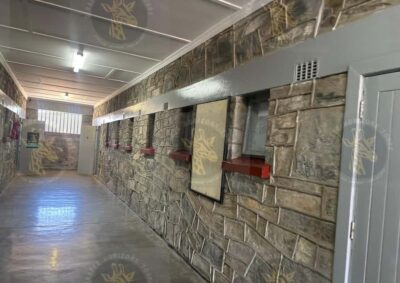
Robben Island Ferry with Prison Ticket and Tour
Read our review →
Robben Island Ferry Ticket and Guided Prison Tour
Read our review →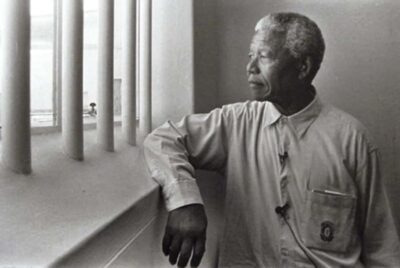
ROBBEN ISLAND MUSEUM TOUR, WITH OPTIONAL LAST MINUTE TICKETS
Read our review →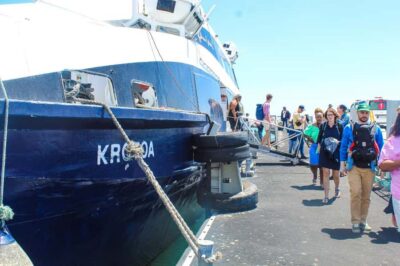
Browse the lists this tour appears in