
REVIEW · SOUTH AFRICA
Cape Town: Robben Island Boat Trip & Museum Tour Ticket
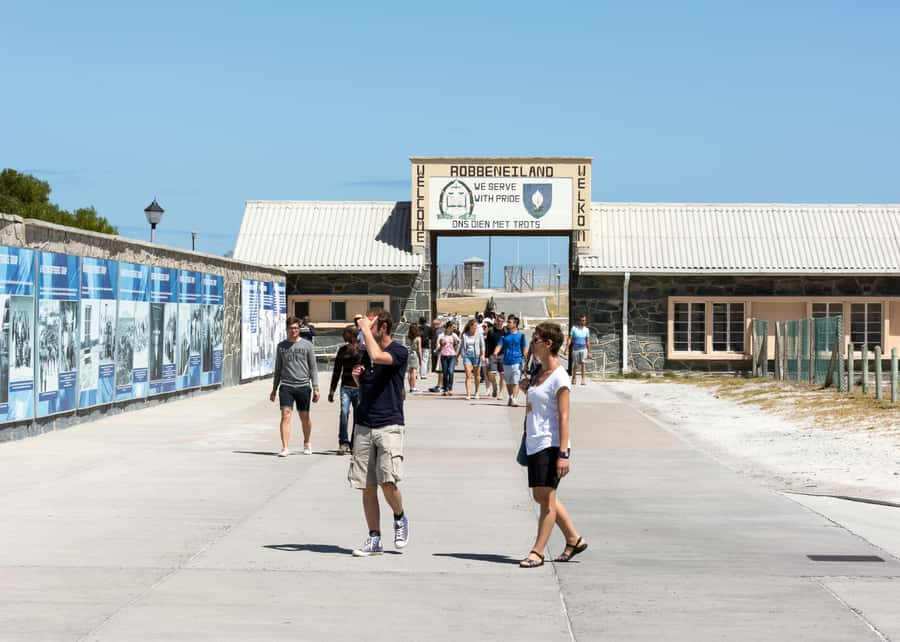
Robben Island is not just a boat ride with a famous view. It is a place where South Africa’s political story becomes physical: a prison cell, a limestone quarry, bus routes through the island, and a former political prisoner explaining what confinement meant. I like the 30-minute ferry crossing and the chance to see Mandela’s cell, but I also value the human account from an ex-prisoner more than a standard museum talk.
The two strongest parts are the former-prisoner guide and the island bus tour, which gives you context before you enter the prison. The main drawback is uneven timing and sound quality. Some departures leave late, older ferries may take longer than 30 minutes, and guides can be hard to understand in a moving bus or crowded prison corridor.
Key points to know before you go
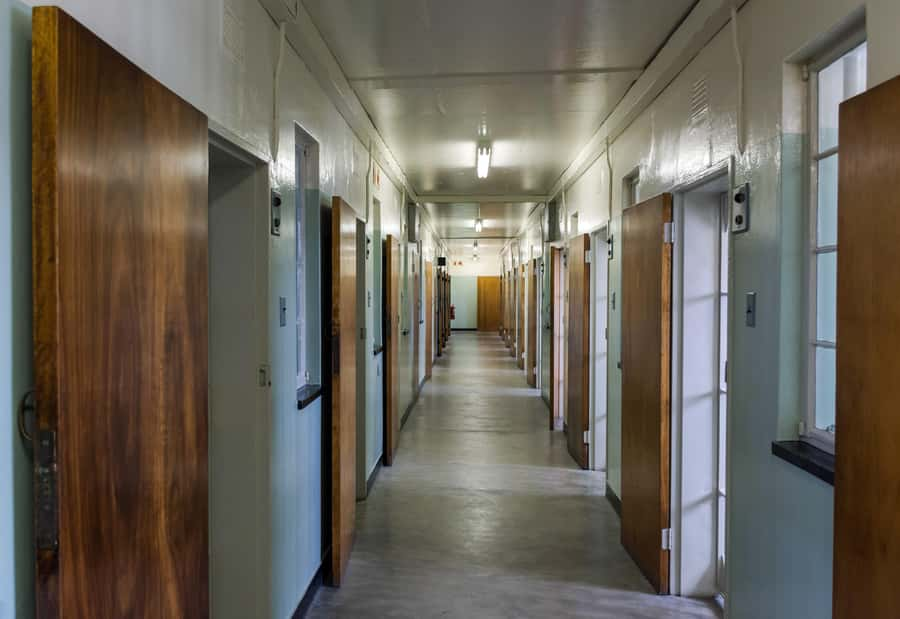
- Mandela’s cell is the emotional center: You see the small prison space where Nelson Mandela spent 18 years as a political prisoner.
- A former prisoner leads the prison visit: The account is personal, though hearing the guide clearly is not always easy.
- The ferry is part of the experience: The crossing takes about 30 minutes each way, but delays and older boats can extend the trip.
- The island tour has two stages: You first ride around Robben Island by bus, then walk through the prison with another guide.
- Budget for more than four hours: The planned duration is four hours, yet late departures and waiting can stretch the visit to six hours.
- The price is high for a standard group tour: The $84 charge includes the return ferry, museum tour, and guide, but South African government tickets may cost less.
Why Robben Island matters beyond Mandela’s cell

Nelson Mandela spent 18 years on Robben Island, but the island’s story is larger than one prisoner. It was used as a place of political imprisonment, and the tour explains the conditions faced by people held there because of their opposition to apartheid.
That wider setting matters. If you only see Mandela’s cell, you may leave with a simplified story about one famous man. The bus tour and prison walk help place his imprisonment within the larger political struggle and show that Robben Island held many people whose names are less familiar.
I find the former-prisoner guide especially important. A guide who lived through imprisonment can explain the prison as a place of daily routines, control, and restriction rather than as a collection of old rooms. Still, this part of the tour depends heavily on the guide’s voice, pace, and clarity. You may hear a moving account, or you may need to work to catch every word.
A few more island trips around Cape Town worth a look
Starting at the Nelson Mandela Gateway
You meet at the Nelson Mandela Gateway to Robben Island at the Victoria and Alfred Waterfront. Go straight to the boat departures line, and arrive 30 minutes before departure. You do not need to arrange hotel pickup, so plan your own way to the waterfront.
Bring your passport or a copy of your ID. A digital copy is accepted for the ticket information, but the instructions specifically ask for a passport, so carrying the document is the safer choice. After booking, you also need to provide every participant’s full name, surname, and country of birth. This information is required for the tickets to be valid.
The departure point can feel busy, especially when several groups are forming at once. The tour includes skip-the-ticket-line access, but that does not mean every part of the morning will move quickly. You still need to be in the right queue, listen for boarding instructions, and allow time for groups to gather.
The 30-minute ferry to the island
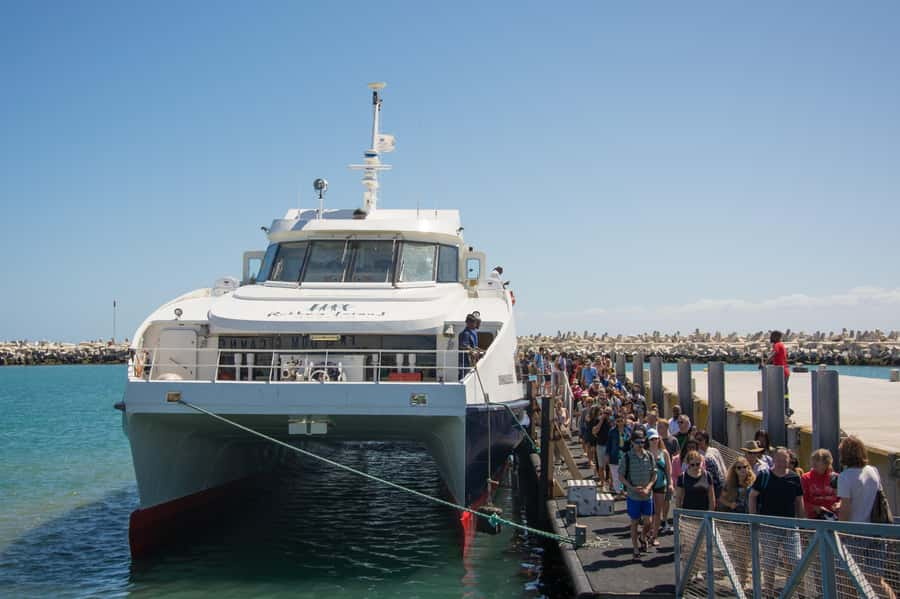
The ferry crossing is a useful opening chapter. From the V&A Waterfront, you leave the city behind and gain a view back toward Cape Town as the boat heads toward Robben Island. The scheduled crossing takes about 30 minutes each way.
The ride is not always as smooth or as quick as planned. An older ferry has taken about an hour to reach the island, and one departure began roughly 45 minutes late. Another boat was described as crowded inside, with few windows and a rough ride in heavy swell. If you are prone to seasickness, stay aware that the ferry can be less comfortable than the neat itinerary suggests.
You should also treat the four-hour duration as an estimate, not a guarantee. A late start, slow ferry, bus queues, and waiting between sections can turn the visit into a six-hour outing. Do not place an important appointment immediately after the tour.
The ferry ride itself is not the main reason to book. Its value is that it links the waterfront to the island and gives you a short period to shift your attention from modern Cape Town to the history ahead. The boat is transportation first, sightseeing second.
The island bus tour puts the prison in context
After arriving, you take a bus around Robben Island before entering the prison. This order works well. You first see the island as a whole, then visit the prison with a better sense of where the institution sat and how the island functioned.
The bus tour lasts as part of the roughly three-hour island visit, which also includes the prison and walking sections. Your guide explains the island’s past and the conditions of imprisonment. The tone may vary. One particularly strong guide used humor and connected parts of the story to the nationalities in the group, making the history easier to follow without making the subject feel trivial.
That is a useful balance. Robben Island is a serious place, but a clear, lively explanation helps you stay focused during a long sequence of stops. The quality of the bus talk depends on the individual guide. Some explanations may feel long without giving enough detail, and the moving bus can make it hard to hear.
Try to sit where you can hear the guide rather than focusing only on the view. If you miss part of the commentary, ask for clarification when the bus stops. The island visit is not a private tour, so you may need to stay alert and keep close to your group.
Same water, a different boat:
- Cape Town: Robben Island Ferry Ticket and Guided Prison Tour
★ 4.1 · 1,792 reviews - Cape Town: Robben Island Ferry Tour with 1-Way Hotel Pickup
★ 4.2 · 1,380 reviews - Cape Town: Robben Island Ferry Ticket and Townships Tour
★ 4.5 · 400 reviews - Cape Town: Robben Island Ferry with Prison Ticket and Tour
★ 4.0 · 324 reviews
Inside the prison with a former political prisoner
The prison visit is the heart of the experience. You walk through the prison and see Mandela’s cell, then learn about the conditions under which political prisoners were held. The physical simplicity of the cell is part of its force. It is not a grand memorial filled with objects. Its importance comes from the contrast between the small space and the historic weight attached to it.
The most valuable part of the prison section is the guide who was previously imprisoned on Robben Island. This person can speak about the prison from lived experience, not just from prepared historical material. You get a clearer sense of why the prison mattered to those who were held there and why the island remains central to South Africa’s public memory.
There are limits. One former prisoner guide was difficult for some people to hear and understand, and the group was moved quickly from the cell area. Several people became separated and missed part of the next stop. Stay near the guide and avoid lingering at the back of the group. If you are having trouble hearing, move forward when possible.
A personal guide does not automatically make every detail easy to follow. Accents, acoustics, group size, and the guide’s pace all matter. Even so, this direct connection to the prison is the feature that gives the tour its strongest sense of place.
The Long March to Freedom and the island’s wider story
The experience is framed as a historical walk in Nelson Mandela’s footsteps, sometimes described as the Long March to Freedom. That wording can sound grand, but the value is simple: you are moving through the same institutional setting where Mandela and other political prisoners spent years under confinement.
The tour is not only about Mandela. It also gives you insight into prison conditions and the wider history of political imprisonment on the island. Pay attention to how the guide links individual spaces to the system around them. A cell tells you about confinement. The bus tour and prison commentary explain how that confinement fitted into a larger political structure.
This is why I would not treat the visit as a quick photo stop. You can take photographs at parts of the island, but the strongest moments come from listening and noticing how the different sections fit together.
Timing problems and what they mean for your day
The planned duration is four hours. In practice, you should keep the day flexible. A departure has started about an hour late, and a longer ferry crossing has pushed the total time closer to six hours once waiting and transfers were included.
That does not mean every departure will run late. Some morning tours have been well organized, with no long ticket queues at the ferry or on the island. But the ferry schedule, boarding process, bus movements, and prison groups all have to line up. A delay at the start can affect the whole visit.
For that reason, I would book this on a day when you have no tight afternoon plan. Do not pair it with a scheduled lunch reservation that requires precise timing, an airport transfer, or another major tour. The Waterfront gives you places to eat and wait, but the tour itself does not include food or drinks.
Is $84 a fair price?
At $84 per person, this is an expensive half-day outing by South African standards. The price includes the return ferry, the museum tour, and a guide at the museum. It does not include hotel transport, food, or drinks.
The value depends on what you want from the visit. If you want an organized route from Cape Town to the island, with transport and the museum elements combined, the price buys convenience. You do not have to work out separate ferry and museum arrangements, and the tour handles the main sequence of the visit.
There is also an important price warning. South African government tickets are substantially cheaper than the resale price charged by some tour operators. This activity can therefore feel costly when you realize that the same basic tour may be available directly at a lower rate.
I would compare prices before paying. If the direct government option is available for your dates and you can manage the booking yourself, it may offer better value. The $84 option makes more sense when you need a packaged booking or when the direct tickets are unavailable. The included guide does not turn this into a private tour, and you should not expect personal attention throughout.
Accessibility, language, and comfort
The tour is listed as wheelchair accessible, and the live guiding is in English. It is offered in English only, so you should be comfortable following spoken historical explanations in that language.
Comfort is less predictable. You may spend time standing, waiting, and walking between sections. The ferry can be crowded, and rough water can make the crossing unpleasant. Wear practical shoes and bring only what you need, since you will move between a boat, buses, and the prison.
The island can also feel demanding if you need a slow pace. The schedule is shared with other groups, and one guide may move people along quickly. Keep your documents secure, stay with the group, and ask questions during pauses rather than waiting until the end.
Who should book this Robben Island tour?
I would recommend it to anyone who wants the central Robben Island experience in one organized visit: ferry, island bus, prison, Mandela’s cell, and a guide with personal experience of imprisonment.
It suits history-focused visitors, people interested in apartheid and South Africa’s political past, and first-time visitors who do not want to arrange the transport themselves. It is also a good fit if hearing a former prisoner speak matters more to you than having a polished, perfectly timed tour.
I would hesitate if you have a very tight schedule, dislike boats in rough water, or need every explanation to be delivered slowly and clearly. You should also compare the price with direct government tickets before booking. If your main aim is a comfortable scenic cruise, this is the wrong reason to go. The ferry is only the passage to a serious historical visit.
Should you book it?
Book this tour if you want a direct encounter with Robben Island’s prison history and value the chance to hear from someone who was once held there. Mandela’s cell, the bus route, and the former-prisoner guide give the experience weight that a standard sightseeing cruise cannot provide.
Go in with realistic expectations. Allow six hours, not just four. Bring your passport or ID copy, arrive 30 minutes early, stay close to the guide, and prepare for delays or a rough ferry ride. At $84, it is not a bargain, so compare direct ticket prices first. For the right visitor, the human story makes the cost worthwhile. For a tightly scheduled day, it may create more stress than value.
FAQ
How long does the Robben Island tour take?
The planned duration is four hours, including the ferry and island visit. Delays, waiting, and a slower ferry can extend the outing to around six hours.
Where do I meet the tour?
Meet at the Nelson Mandela Gateway to Robben Island at the Victoria and Alfred Waterfront. Go directly to the boat departures line and arrive 30 minutes before the ferry leaves.
How long is the ferry ride?
The scheduled ferry ride takes about 30 minutes each way. An older ferry may take longer, and rough conditions can affect the journey.
Is Nelson Mandela’s prison cell included?
Yes. The island visit includes the prison section and a visit to Nelson Mandela’s cell.
Who guides the prison visit?
The museum tour includes an English-speaking guide, and the prison section is guided by a former political prisoner who can explain the experience of imprisonment firsthand.
What should I bring?
Bring your passport or a copy of your ID. A digital copy may be accepted for the ticket, but carrying the document is the safer choice. After booking, you must provide each participant’s full name, surname, and country of birth.
Just added around Cape Town
- Robben Island Museum, Stellenbosch Wineries plus Ferry Tickets★ 5.0 · 4 reviews
- Robben Island Cape Of Good Hope Penguins Including Ferry Ticket★ 5.0 · 3 reviews
- Robben Island Ferry Ticket and Guided Prison Tour★ 3.0 · 160 reviews
- Ferry Tour to Robben Island Museum with One Way Hotel Transfer★ 5.0 · 5 reviews
- Robben Island Nelson Mandela’s Prison Museum + Township Tour incl Ferry Tickets★ 5.0 · 9 reviews
- Cape Town Half-Day Robben Island Tour with Ferry Ticket★ 4.5 · 13 reviews
- Nelson Mandela’s Robben Island Prison Museum Cape Town City Tour + Ferry Tickets★ 5.0 · 7 reviews
- Boulders Beach Penguins and Seal Island Boat Trip Half Day Tour★ 4.0 · 9 reviews
South Africa Island Hopping Tours, compared.

Robben Island Ferry Ticket and Guided Prison Tour
Read our review →
Robben Island Ferry Tour with 1-Way Hotel Pickup
Read our review →


Robben Island Ferry with Prison Ticket and Tour
Read our review →
Robben Island Ferry Ticket and Guided Prison Tour
Read our review →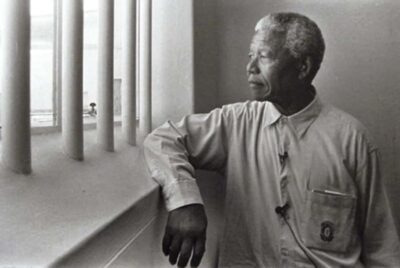
ROBBEN ISLAND MUSEUM TOUR, WITH OPTIONAL LAST MINUTE TICKETS
Read our review →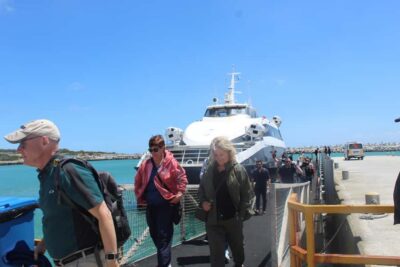
Browse the lists this tour appears in