
REVIEW · SOUTH AFRICA
Cape Town: Robben Island Ferry Ticket and Townships Tour
Cape Town’s past comes into sharp focus when you move from District Six to Langa, then finish at the prison cell where Nelson Mandela spent years. This is not a sightseeing loop built around pretty views. It asks you to look at forced removals, segregation, poverty, resistance, and the lives people continue to build.
I like two things here: local township guides lead you beyond the minivan window, and the Robben Island prison tour is often led by a former political prisoner. The chance to see a school, a shebeen, homemade beer production, and a traditional healer gives the morning a human scale.
The main drawback is the tight schedule. Robben Island can feel rushed, the ferry depends on weather and ticket availability, and you must arrange your own way home from the V&A Waterfront. This is a serious full-day outing, not a relaxed half-day stop.
Key points to know before booking
- District Six sets the context: Learn how about 60,000 people were forcibly removed during the 1970s.
- Langa is the most personal stop: Walk with a local guide through hostels, shacks, homes, community spaces, and local businesses.
- You may meet people connected to the area: Guides such as Sam, Luyolo, Shake, Mpumzi, and Sipho bring personal knowledge to the day.
- Robben Island adds the national story: The prison visit can include an ex-prisoner guide, followed by a bus tour of the island.
- The tour ends at the Waterfront: You receive the ferry ticket, but hotel drop-off is not included.
- Plan for weather and walking: Bring identification, comfortable shoes, and an extra layer for the windy ferry ride.
Why this Cape Town tour carries real weight
Many Cape Town excursions focus on Table Mountain, wine, beaches, and scenery. This one takes you into the city’s political and social story. You see how apartheid shaped where people could live, how they moved, and what opportunities were available to them.
The morning usually begins with hotel pickup in an air-conditioned minivan. Your driver-guide introduces the history while you travel toward District Six. That first ride matters because it helps you understand the city before you begin walking through Langa.
I would not book this tour simply to tick off two famous names. Book it if you want to spend time listening, asking questions, and facing parts of South Africa’s past that are still visible in present-day communities.
More Ferry Trips in Cape Town:
- Cape Town: Robben Island Ferry Ticket and Guided Prison Tour
★ 4.1 · 1,792 reviews - Cape Town: Robben Island Ferry Tour with 1-Way Hotel Pickup
★ 4.2 · 1,380 reviews - Cape Town: Robben Island Ferry with Prison Ticket and Tour
★ 4.0 · 324 reviews
District Six and the cost of forced removal
District Six is covered first as a historical area rather than a long museum visit. During the 1970s, the apartheid government forcibly removed around 60,000 residents from the district. People were separated according to racial classification and moved away from the center of Cape Town.
Your guide explains the policy and its effect as you drive through the area. The value here is the connection between official policy and ordinary lives. District Six was not just a line on a government map. It was a neighborhood where families had homes, work, schools, friendships, and local routines.
This stop also prepares you for Langa. You begin to see that the townships were not accidental settlements on the edge of the city. They were shaped by laws that divided people and controlled movement.
Do not expect a long period to wander District Six independently. The focus is on guided explanation and the transition to the township visit. If you want a museum-heavy District Six day, you may prefer a separate museum tour.
Walking through Langa with a local guide
Langa is the heart of the township section. It is Cape Town’s oldest township, and the tour uses several specific places to explain how apartheid worked. You may see the Old Pass Office and a monument to Robert Sobukwe, then continue on foot through parts of the community.
The walking route can include hostels and shacks, with explanations of how people lived under apartheid and how those conditions continue to affect communities. You may enter a home or meet residents, depending on the day’s arrangements. That makes the visit more direct than viewing a township from a vehicle.
A local guide gives the walk its value. Guides named in the tour feedback include Luyolo, who is from Langa, along with Shake and Gladstone. Sam’s Cultural Tours also uses guides such as Mpumzi and Sam for the driving and township sections. The names matter because this is not simply a guide reading dates from a card. You can ask about daily life, politics, labor unions, housing, and the changes that have and have not followed apartheid.
The experience can feel uncomfortable at first. You are walking through a lived-in neighborhood, not an open-air museum. Good conduct is essential: listen, follow the guide’s instructions, ask before taking photographs, and treat every person you meet as a neighbor rather than a display.
Several people who were initially worried about gawking at poverty found the visit respectful and educational. That outcome depends partly on your attitude. Go in with humility, and the walk can help you understand Cape Town in a way a standard city tour cannot.
A school, a shebeen, and homemade beer

The Langa section includes a visit to a primary school or kindergarten when the schedule allows. You may meet children and see part of the school environment. On Sundays, the program can change, and a local church service may replace the school visit.
You may also visit a shebeen, traditionally a local pub, and see homemade beer being made. A tasting may be offered. This is one of the more unusual parts of the day because it shows social and commercial life rather than only political history.
A traditional healer may also welcome you into an office or working space. The guide explains the role of traditional healing and how it fits into local life. The point is not to turn the visit into a performance. It gives you another view of culture and community practice.
You will have chances to support local businesses and markets. Small purchases from township sellers can send money directly into the area, but prices at souvenir stalls may be higher than expected. Ask the cost before buying, and purchase only what you genuinely want.
A few more island trips around Cape Town worth a look
- Robben Island Ferry Ticket and Guided Prison Tour
★ 3.0 · 160 reviews - Cape Town: Robben Island ferry ticket with guided tour
★ 4.0 · 61 reviews - Cape Town: Robben Island ferry ticket plus Guided Tour
★ 3.3 · 37 reviews - Cape Town: Robben Island Boat Trip & Museum Tour Ticket
★ 3.9 · 28 reviews
Bonteheuwel and the rules of racial separation
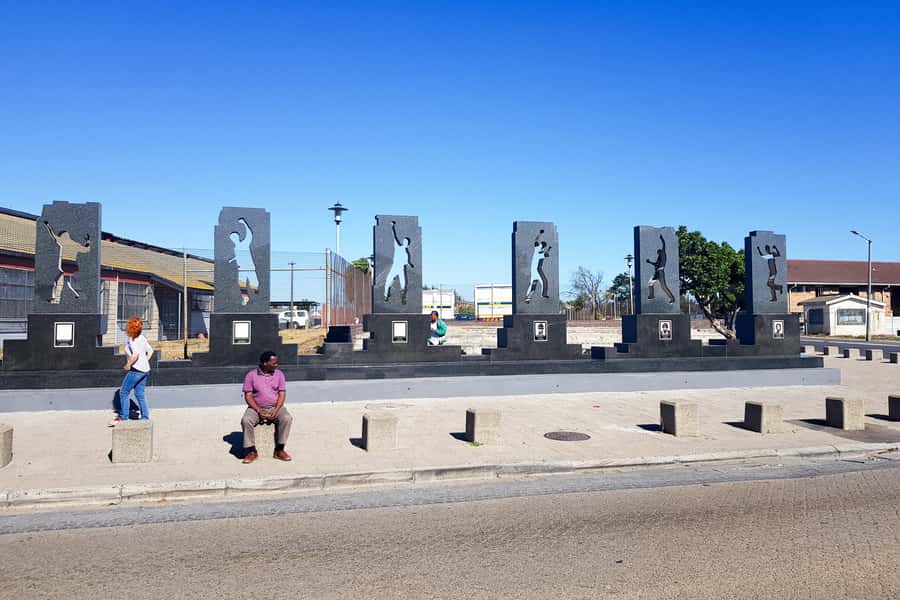
After Langa, the vehicle passes through Bonteheuwel. Under apartheid, this township was reserved for the colored community. The drive gives you another example of how the government divided people into racial categories and assigned them separate places to live.
This section is less intimate than the walking tour, but it broadens the picture. Cape Town’s apartheid story was not limited to one township or one community. Different groups experienced the system in different ways, and the geography of the city still reflects those decisions.
Because you remain in the minivan, this part can feel brief. Pay attention to the guide’s explanation rather than expecting a series of formal stops. It is a connecting section that helps you compare the communities you have already seen.
Gugulethu memorials and the price of resistance
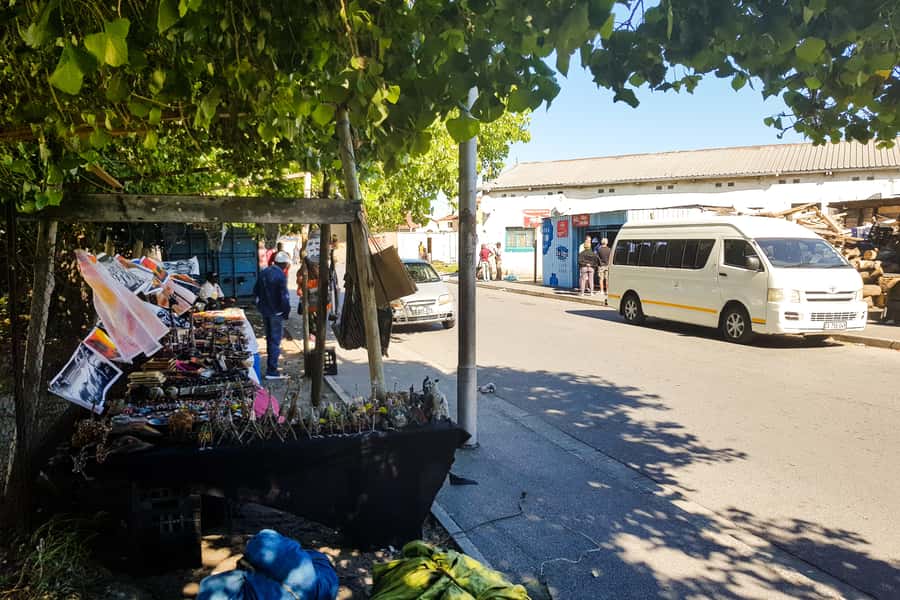
The route includes the Gugulethu 7 Memorial, honoring members of an anti-apartheid group killed by South African police in 1986. You also see a memorial to Amy Biehl, an American student murdered by PAC supporters in 1993.
These sites are important because they show that the political violence of the period affected people in different ways. The history is not reduced to a simple story with only one kind of victim or hero. Your guide can place the memorials within the wider struggle, including the anger, divisions, and grief that shaped the transition away from apartheid.
This is another reason to leave room for questions. A short stop can introduce difficult facts, but it cannot explain every political group or event in detail. The guide’s commentary is what turns the memorials into meaningful parts of the day.
Taking the ferry to Robben Island

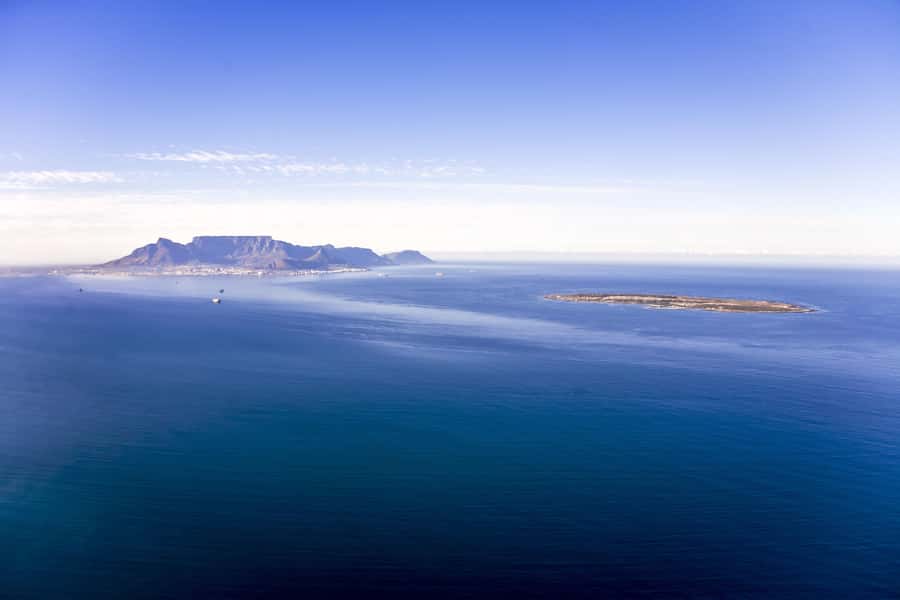
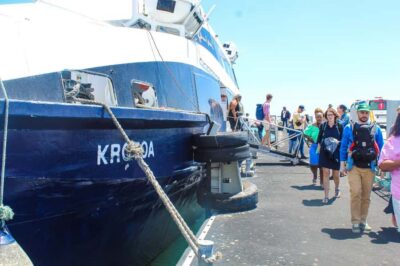
After the township tour, you are dropped at the V&A Waterfront for the Robben Island ferry. The ferry ride takes about 30 minutes, although weather, loading, and ticket arrangements can affect the schedule.
Your ferry ticket is included in the $89 price, which makes the package useful if Robben Island tickets are difficult to secure separately. It also joins two connected subjects: the conditions created by apartheid and the people who resisted it.
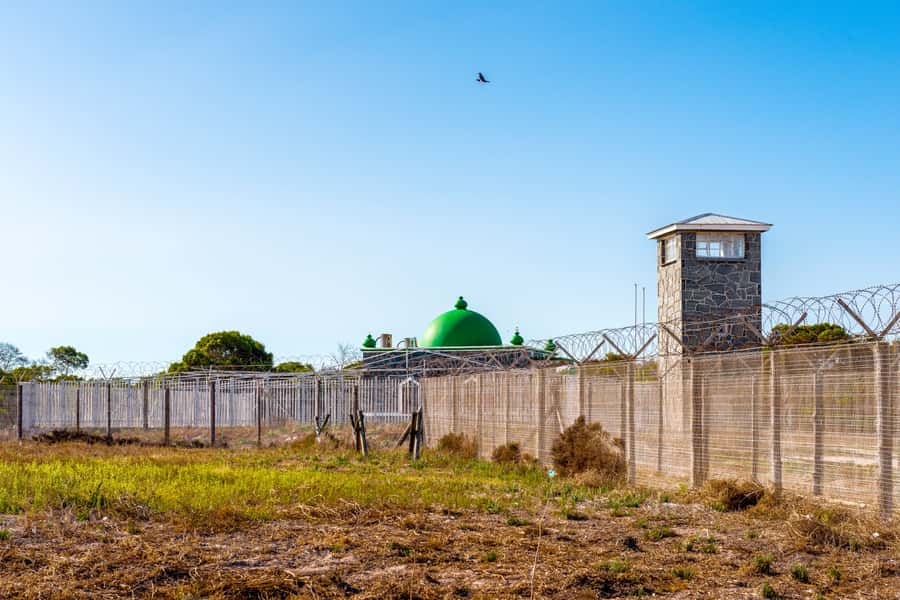
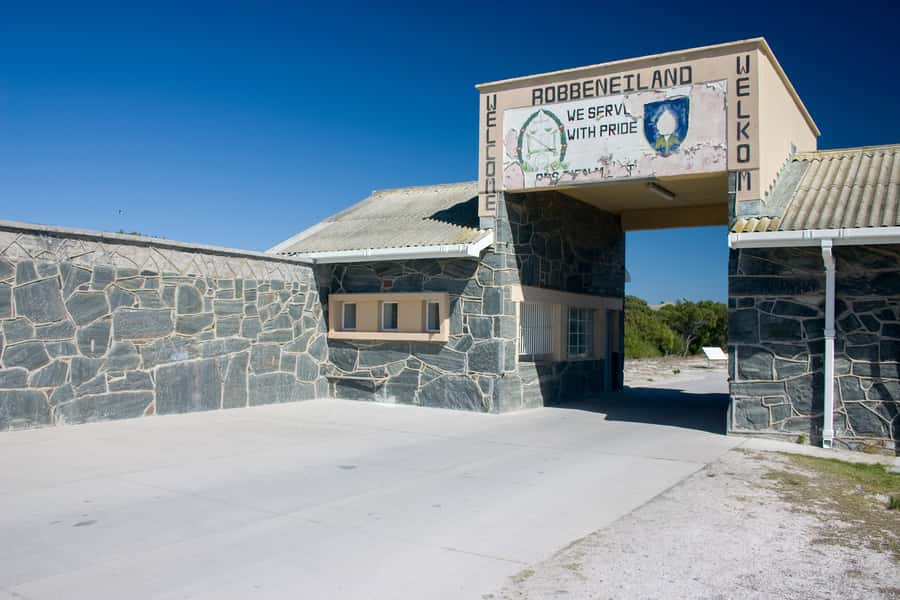
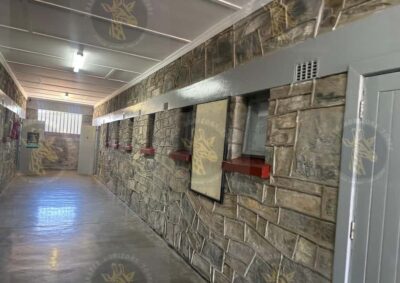
Robben Island itself adds a different mood. You first tour parts of the island by bus, then visit the prison. The prison section is often guided by a former political prisoner. Hearing about the maximum-security facility from someone who experienced it personally can be one of the most moving parts of the day.
The island tour is not private. You may be part of a large group, and the bus can be crowded. Some people find it hard to hear the bus guide, especially when translation is needed. The prison visit can also feel hurried, leaving little time to examine each room or exhibit.
I would still consider the island essential if you want to understand the scale of the political imprisonment. Just set your expectations correctly. This is a structured group visit, not a quiet, self-paced museum experience.
The ferry can be windy, so pack another layer even if Cape Town feels warm when you leave your hotel. The ticket is subject to both availability and weather. If the ferry is canceled after the township portion, you may be offered another date, depending on space, or a partial refund.
How the $89 price works out

At $89 per person, the tour is not the cheapest way to visit Robben Island. The value comes from combining several elements in one day: hotel pickup, private air-conditioned minivan transport, a driver-guide, the township walking tour, and the ferry ticket.
The township portion is the part that makes the price easier to justify. You are paying for local guiding, transport between communities, and access to experiences that are difficult to arrange respectfully on your own. The route includes District Six, Langa, Bonteheuwel, and Gugulethu, rather than only a short drive past township housing.
Still, compare the price with a Robben Island ticket purchased directly if your main goal is the prison. One rating of the experience found the combined cost high compared with the ferry ticket alone. That criticism is fair. The package is best value for someone who wants both the township education and Robben Island.
The group size can vary. Some departures feel personal, with only one or two people in the vehicle, while the island section is usually much larger. That contrast is normal, but it means the morning may feel conversational and the afternoon more regimented.
Timing, walking, and practical comfort
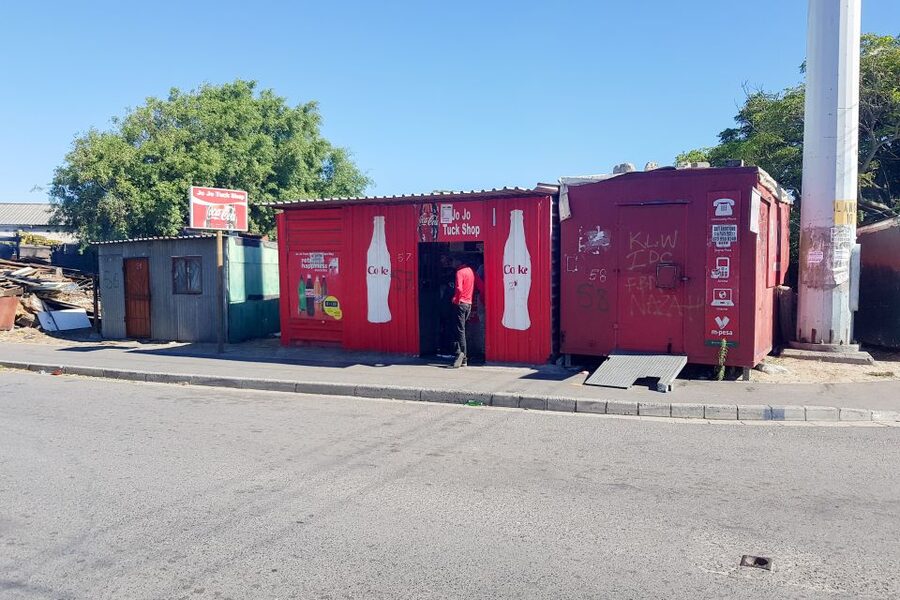
Expect a full day, even though parts of the experience may be described as half-day components. The township walking section can last around two hours, and the Robben Island ferry and tour add substantial time.
Wear comfortable shoes. The walk includes uneven streets and ordinary community areas rather than a polished attraction. Bring your passport or identity card, or a copy, as identification is required for the island portion.
Hotel pickup is included, but hotel drop-off is not. The tour ends at the Robben Island ferry gateway, so plan how you will return from the V&A Waterfront after the island visit. You may want to keep evening plans flexible because weather or ferry changes can affect the schedule.
The tour is offered in English. Cancel at least three days ahead for a full refund. These details matter most if your Cape Town schedule is tight.
Who will get the most from this day
I would recommend this tour to first-time visitors who want historical context before spending several days in Cape Town. It suits solo visitors too, since the organized transport and local guides make the day easier to manage.
It is also a good fit for anyone who wants to understand present-day inequality rather than only read about apartheid in a museum. The guides can discuss housing, politics, labor, racial classification, and the gap between the Waterfront and township communities.
You should think twice if you dislike group tours, have limited mobility, or need a slow schedule. The walking is moderate, the island section can be crowded, and some stops are emotionally heavy. Families can take part, but the subject matter requires preparation and respectful behavior around schools and homes.
Should you book the township and Robben Island combination?
Book it if you want the township tour as much as Robben Island. The strongest part is the personal morning in Langa, where guides such as Luyolo, Shake, Gladstone, Sam, and Mpumzi can connect national history with real community life. The former-prisoner guide on Robben Island then gives the story a powerful final chapter.
Choose another arrangement if you only want the island or if you need plenty of time inside every exhibit. Robben Island can feel rushed, and the ferry schedule is not fully in your control.
For most visitors willing to listen and walk, this is a valuable use of a Cape Town day. It will not leave you in a carefree holiday mood, but it can leave you with a far clearer understanding of the city and the country.
FAQ
What does the Cape Town townships and Robben Island tour include?
The tour includes hotel pickup, private transport in an air-conditioned minivan, a driver-guide, the township tour, and a Robben Island ferry ticket.
Which townships are visited?
The route includes Langa, Bonteheuwel, and Gugulethu. It also covers District Six as part of the historical introduction.
What can I see in Langa?
The walking tour can include hostels, shacks, a primary school or kindergarten, a shebeen, homemade beer production, a traditional healer, and local homes or community areas.
Is a Robben Island ferry ticket included?
Yes. The ferry ticket is included, but it depends on availability and suitable weather conditions.
Will the tour return me to my hotel?
No. The tour ends at the Robben Island ferry gateway at the V&A Waterfront. You must make your own way back to your hotel.
What should I bring?
Bring a passport or identity card. A copy is accepted. Comfortable walking shoes and a warm extra layer are also sensible, especially because the ferry can be windy.
How much walking is involved?
A moderate amount of walking is involved. The Langa walking section can last around two hours, so comfortable footwear is important.
What happens if the ferry is canceled?
If the ferry is canceled after the township tour, you may be offered a rescheduled trip based on availability or a partial refund.
Just added around Cape Town
- Robben Island Museum, Stellenbosch Wineries plus Ferry Tickets★ 5.0 · 4 reviews
- Robben Island Cape Of Good Hope Penguins Including Ferry Ticket★ 5.0 · 3 reviews
- Robben Island Ferry Ticket and Guided Prison Tour★ 3.0 · 160 reviews
- Ferry Tour to Robben Island Museum with One Way Hotel Transfer★ 5.0 · 5 reviews
- Robben Island Nelson Mandela’s Prison Museum + Township Tour incl Ferry Tickets★ 5.0 · 9 reviews
- Cape Town Half-Day Robben Island Tour with Ferry Ticket★ 4.5 · 13 reviews
- Nelson Mandela’s Robben Island Prison Museum Cape Town City Tour + Ferry Tickets★ 5.0 · 7 reviews
- Boulders Beach Penguins and Seal Island Boat Trip Half Day Tour★ 4.0 · 9 reviews
South Africa Island Hopping Tours, compared.

Robben Island Ferry Ticket and Guided Prison Tour
Read our review →
Robben Island Ferry Tour with 1-Way Hotel Pickup
Read our review →
Robben Island Ferry with Prison Ticket and Tour
Read our review →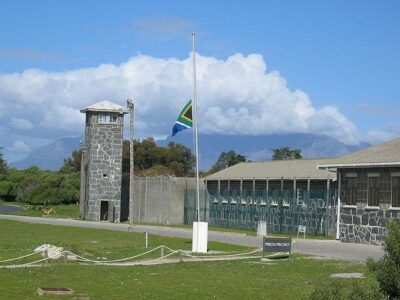
Robben Island Ferry Ticket and Guided Prison Tour
Read our review →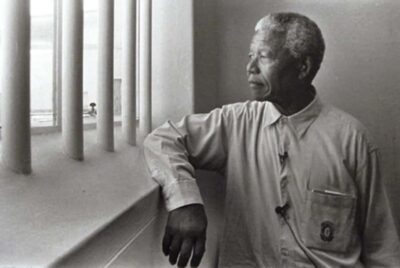
ROBBEN ISLAND MUSEUM TOUR, WITH OPTIONAL LAST MINUTE TICKETS
Read our review →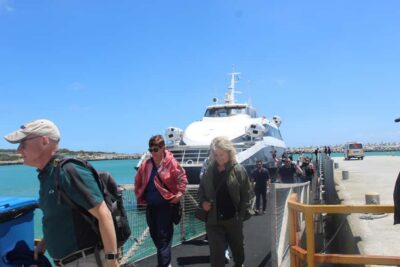
Browse the lists this tour appears in