
REVIEW · SOUTH AFRICA
Robben Island Ferry Ticket and Guided Prison Tour
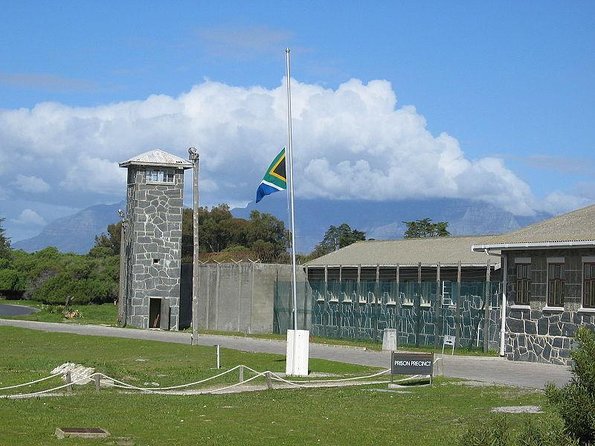
Robben Island is more than a boat trip to an old prison. It is where you see Nelson Mandela’s tiny cell, follow part of the Long Walk to Freedom, and hear the island’s story from someone who was held there as a political prisoner. That firsthand guide is the heart of the experience.
I like two things here: the former prisoner gives the prison visit a human voice, and the ferry ride provides striking views back toward Cape Town. You also get the island’s wider story, not just Mandela’s years behind bars.
The catch is unreliable ferry operation. Wind and rough seas can cancel sailings with little warning. This is a shared tour, not a private outing, and the advertised skip-the-line benefit only covers buying the ticket. You still queue to board the boat.
Key points to know before you book

- A former political prisoner leads the prison visit, adding personal detail that a standard museum display cannot provide.
- The ferry takes about 30 minutes each way, but rough weather can cause cancellations, delays, or an uncomfortable return crossing.
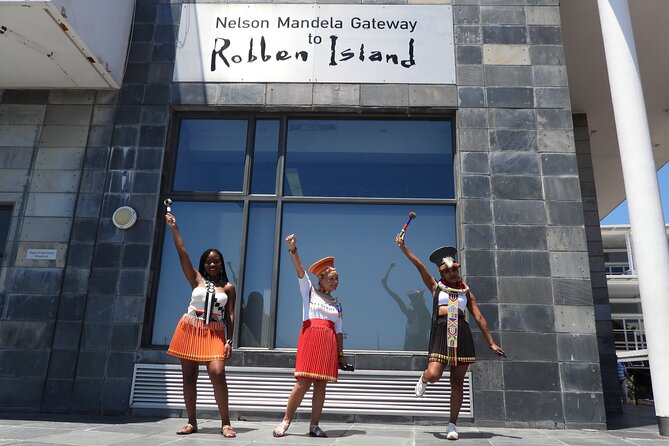
- The tour begins and ends at the Nelson Mandela Gateway at Cape Town’s V&A Waterfront. Hotel pickup is not included.
- You join a shared boat, bus, and island tour, with up to 150 people in the wider activity.
- Bring your passport or a copy on your phone, and arrive at least 30 minutes before departure.
- The price is high for a ticket-based experience, especially if official Robben Island tickets are available for less.
Why Robben Island matters beyond Mandela’s cell
Nelson Mandela spent 18 years imprisoned on Robben Island, but the island’s importance reaches beyond one famous prisoner. It was used to isolate political opponents of apartheid, and the prison became a symbol of the wider struggle against racial rule in South Africa.
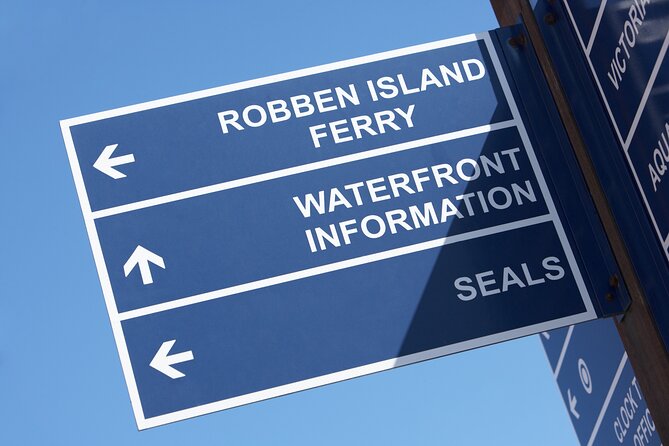
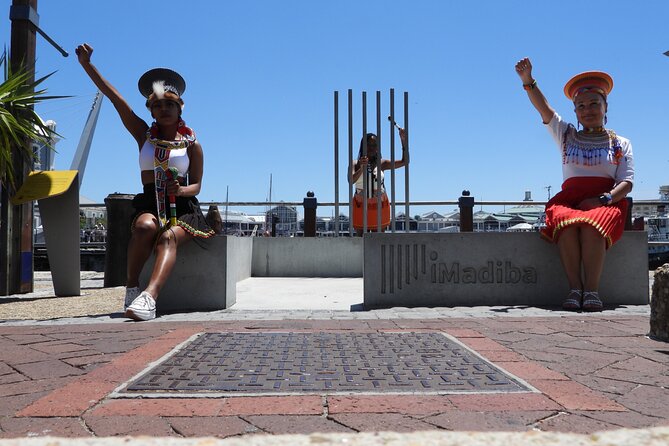
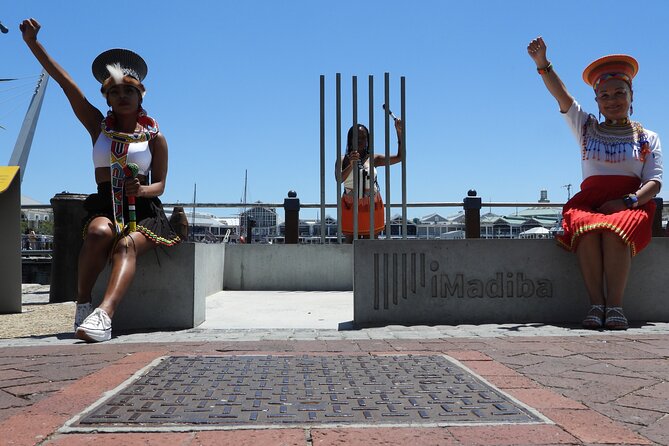
You begin at the Nelson Mandela Gateway in the Silo District of the V&A Waterfront. This is a convenient starting point, with restaurants, shops, and public transport nearby, but you need to make your own way there. The operator does not collect you from your hotel.
The experience lasts about four hours from start to finish. That sounds generous, but the time includes the ferry crossing, boarding procedures, transport around the island, and the return trip. You should not expect a slow, private examination of every corner.
I would treat this as an important historical visit rather than a relaxed sightseeing cruise. The views are memorable, but the main reason to go is to listen, look closely, and think about what political imprisonment meant for the people held there.
More Ferry Trips in Cape Town:
- Cape Town: Robben Island Ferry Ticket and Guided Prison Tour
★ 4.1 · 1,792 reviews - Cape Town: Robben Island Ferry Tour with 1-Way Hotel Pickup
★ 4.2 · 1,380 reviews - Cape Town: Robben Island Ferry Ticket and Townships Tour
★ 4.5 · 400 reviews
The Nelson Mandela Gateway and the boarding process
Arrive 30 minutes before the scheduled departure time. Have the original passport or a clear copy on your phone ready. You also need to check that the booking information contains the correct country code and mobile number, since tickets may be sent by WhatsApp, iMessage, or email.
This is where the wording about skipping the line needs care. You may skip the line to buy a ticket at the counter, but you do not walk straight onto the ferry. You still queue for boarding, and that queue can be part of the morning or afternoon routine at the gateway.
Ticket problems have caused serious stress for some people. A booking confirmation from a sales platform may not always be enough if the ferry operator does not have the matching ticket record. I would check your ticket well before departure, confirm the date and passenger names, and keep the booking confirmation, ticket message, and payment record together on your phone.
The wider activity can hold up to 150 people. That does not necessarily mean every person travels in one tight group, but it tells you what kind of outing this is. Expect an organized, shared operation rather than a quiet museum appointment.
The 30-minute ferry crossing to the island
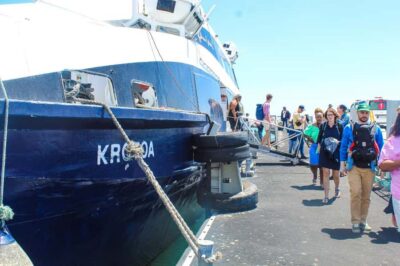
Once aboard, the ferry takes about 30 minutes across open water to Robben Island. On a calm day, the crossing gives you a useful sense of the island’s isolation. Cape Town gradually recedes, and the distance helps explain why escape was so difficult.
The ride is not simply transport. It sets the mood for the visit. You are leaving the city and heading toward a place that was deliberately separated from ordinary life.
Ferry conditions can change quickly. Wind has canceled entire days of departures, and poor weather can also disrupt a planned return. One recorded crossing became longer than expected because of rough water and harbor traffic. On another occasion, a smaller return boat offered very limited indoor seating, leaving some passengers cold and exposed to the wind.
For that reason, I would choose an earlier sailing when possible and avoid building your entire departure day around the island. Bring warm layers even if Cape Town feels mild at the waterfront. The ferry ride can feel very different from the city weather.
There is also an important practical difference between the outward and return journeys: you may not receive the same boat in both directions. A comfortable trip to the island does not guarantee an equally comfortable ride back.
Seeing Robben Island by shared bus
After arriving at the jetty, you leave the ferry and board a shared bus. An island guide provides live commentary while pointing out important places, including former prisoners’ homes and other sites connected with the island’s past.
The bus portion gives you context before the prison visit. You see that Robben Island is not only a cell block. Its story includes the wider island community, the prison system, and the physical separation between those held there and the mainland.
This part can feel brisk. The bus makes stops, but you may not have much time to wander. One stop can include a shop or cash kiosk, and the schedule is controlled by the larger island operation rather than by your booking company.
A bathroom is available at the first bus stop, so use it early if you need to. You may not get a comfortable chance later. If you want a souvenir, look at the shop near the jetty or go to the island shop soon after leaving the ferry. At the end of the tour, the return ferry may be waiting with little time for shopping.
The bus guide can make a big difference. The strongest part of this segment is the live storytelling and the chance to ask questions. The weaker part is the fixed route and limited time at each stop.
A few more island trips around Cape Town worth a look
- Cape Town: Robben Island Ferry with Prison Ticket and Tour
★ 4.0 · 324 reviews - Cape Town: Robben Island ferry ticket with guided tour
★ 4.0 · 61 reviews - Cape Town: Robben Island ferry ticket plus Guided Tour
★ 3.3 · 37 reviews - Cape Town: Robben Island Boat Trip & Museum Tour Ticket
★ 3.9 · 28 reviews
The prison tour with a former political prisoner

The prison visit is the reason most people book this experience. A former political prisoner leads the prison portion and explains what life was like inside. This is not the same as reading a plaque or following an audio guide.
The guide’s personal connection gives the visit emotional force. You hear about the prison from someone who experienced the political system from the inside. That does not turn the tour into a private conversation, since the group may be large, but it gives the presentation a human scale.
You will see Nelson Mandela’s cell. Its small size is visually powerful because it strips away the mythology surrounding a world-famous leader. The setting brings the focus back to confinement, routine, and the treatment of political prisoners.
Expect to spend a substantial part of the prison stop listening to the guide. Some people find the presentation moving and unusually direct. Others may find the storytelling slow or less polished than expected. The quality can depend on the individual guide, the group size, and how much time the schedule allows.
The best approach is to listen closely and avoid expecting a theatrical performance. The value is in the firsthand account and the historical setting, not in elaborate production.
The Long Walk to Freedom and the island’s views

The Long Walk to Freedom pathway connects the visit with Mandela’s public life, but here the name carries a practical meaning as well as a symbolic one. You are walking through a place where freedom was withheld, while following the story of a man who later helped lead South Africa’s transition away from apartheid.
Robben Island also has wide views toward Cape Town. That contrast can be unsettling. On one side, you look across open water toward Table Mountain and the city. On the other, you are standing in a former prison complex built to keep people apart from the society they were trying to change.
The views should not soften the purpose of the visit. They work best as part of the island’s story: the mainland is close enough to see, yet historically far enough away to feel unreachable.
You will not be free to roam at your own pace for long periods. The group follows the bus and prison schedule, so plan to take in the views when the route permits rather than expecting a self-guided island walk.
Is the four-hour schedule enough?
Four hours is enough to cover the ferry, island bus route, prison, and return crossing. It is not enough for a leisurely day on Robben Island.
The schedule can feel rushed, particularly on a busy departure or around a holiday period. You may move from ferry to bus, from bus to prison, and back toward the jetty with little spare time. That tight structure helps the operator move a large number of people through the island, but it limits quiet reflection.
I would allow extra time before the tour and keep the rest of the day flexible. Do not schedule a critical appointment immediately after the expected return. Wind, a delayed ferry, a changed boat, or harbor traffic can lengthen the trip.
If the visit is a major reason for your Cape Town stay, book it early in your itinerary rather than on your final day. A canceled sailing may be offered on another date, but that is not useful if you are flying out.
The price and what you are actually paying for
The listed price is $69.38 per person. That includes the shared ferry, Robben Island Museum admission, the island bus tour, and the prison visit. Hotel transfers are not included.
The value depends on availability. If official Robben Island tickets are sold out, a third-party booking may help you secure a place, especially as an international visitor. The convenience of obtaining a ticket in advance can be worthwhile when your Cape Town dates are fixed.
But this is not a cheap tour. The booking service does not give you a private guide, private transport, or a special ferry. You join the same shared operation on the water and on the island.
One booking account compared the price with an official ticket costing 550 rand, including the ferry and island tour. Prices can change, but the comparison makes the issue clear: you may be paying a sizable premium for access and booking assistance rather than for extra sightseeing.
I would compare the official Robben Island ticket site with this option before paying. If direct tickets are available and you are comfortable arranging your own visit, the official route may offer better value. If direct availability is poor, the premium may be the cost of convenience, but you should know what that premium buys.
Weather, cancellations, and ticket trouble
Robben Island ferry service depends on safe sea conditions. Bad weather can cancel a sailing on the day, sometimes with little notice. The stated policy offers a different date or a full refund if the experience is canceled because of poor weather.
Your own cancellation is different. The booking is nonrefundable and cannot be changed for personal reasons. That makes early booking useful for availability, but it also creates risk if your schedule changes.
Communication has been a weak point in some bookings. Tickets have arrived late, dates have been issued incorrectly, and some customers have struggled to get clear answers by message. Check every detail as soon as you book, not the night before.
If there is a problem, contact the booking platform and local operator promptly, keeping screenshots of all messages. This is especially important if the ferry is canceled or your ticket does not scan at the gateway.
Who should book this Robben Island visit?
I would recommend it to you if you want the historical setting, value firsthand testimony, and can accept a shared, tightly timed operation. It suits first-time visitors to Cape Town who want to understand apartheid through one of South Africa’s most important sites.
It is also a good fit if you prefer having a ticket arranged in advance and do not mind paying more for that service. The former prisoner guide is the main reason to make the effort.
I would hesitate if you dislike group tours, need a guaranteed departure, or expect a private and polished museum experience. The boat can be uncomfortable, the schedule can feel hurried, and the price may be hard to justify when official tickets are available for less.
Should you book it?
Book this experience if Robben Island is high on your Cape Town list and you can leave room for weather changes. The prison cell, the former political prisoner guide, and the ferry crossing together create a powerful visit that is difficult to duplicate elsewhere.
Before paying, compare the price with the official Robben Island ticket, confirm the date and passenger details, and ask yourself how much the booking convenience is worth. Arrive early, carry warm clothing, keep your phone ticket and passport copy ready, and do not plan a tight connection afterward.
This is an important place, but the booking service is not flawless. Go for the island and its firsthand history, not for a luxury boat ride or a private tour.
FAQ
Where does the Robben Island tour start and end?
It starts and ends at the Nelson Mandela Gateway to Robben Island in the Silo District of Cape Town’s V&A Waterfront.
Is hotel pickup included?
No. You must arrange your own transport to and from the Nelson Mandela Gateway.
How early should I arrive?
Arrive 30 minutes before the scheduled departure time.
What documents do I need?
Bring your original passport or a copy of your passport on your phone. Make sure your booking includes the correct country code and mobile number so the ticket can reach you.
Is this a private tour?
No. You join other people on the ferry, island bus, and guided land tour. The activity can have up to 150 travelers.
How long does the tour take?
The full experience lasts about four hours, including the ferry crossing, island tour, prison visit, and return trip.
What happens if bad weather cancels the ferry?
If poor weather cancels the experience, you will be offered a different date or a full refund. The ferry schedule depends on safe sea conditions.
Just added around Cape Town
- Robben Island Museum, Stellenbosch Wineries plus Ferry Tickets★ 5.0 · 4 reviews
- Robben Island Cape Of Good Hope Penguins Including Ferry Ticket★ 5.0 · 3 reviews
- Ferry Tour to Robben Island Museum with One Way Hotel Transfer★ 5.0 · 5 reviews
- Robben Island Nelson Mandela’s Prison Museum + Township Tour incl Ferry Tickets★ 5.0 · 9 reviews
- Cape Town Half-Day Robben Island Tour with Ferry Ticket★ 4.5 · 13 reviews
- Nelson Mandela’s Robben Island Prison Museum Cape Town City Tour + Ferry Tickets★ 5.0 · 7 reviews
- Boulders Beach Penguins and Seal Island Boat Trip Half Day Tour★ 4.0 · 9 reviews
- Robben Island Museum Stellenbosch Wineries Plus Ferry Ticket F/D★ 5.0 · 6 reviews
South Africa Island Hopping Tours, compared.

Robben Island Ferry Ticket and Guided Prison Tour
Read our review →
Robben Island Ferry Tour with 1-Way Hotel Pickup
Read our review →


Robben Island Ferry with Prison Ticket and Tour
Read our review →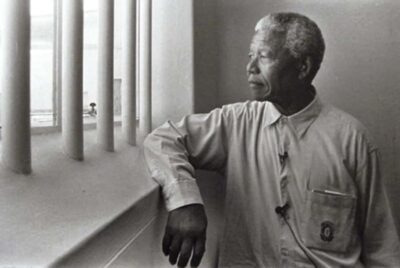
ROBBEN ISLAND MUSEUM TOUR, WITH OPTIONAL LAST MINUTE TICKETS
Read our review →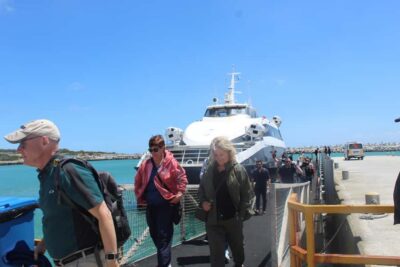
Browse the lists this tour appears in