

REVIEW · SOUTH AFRICA
Cape Town: Robben Island Ferry Ticket and Guided Prison Tour
Robben Island is not just a boat trip and a look at an old prison. Its real power comes when a former political prisoner leads you through the cell blocks and explains what life was like inside. Nelson Mandela’s cell is the famous stop, but the personal stories give the visit its human weight.
I like two things here: the ferry crossing gives you time to think about the island’s isolation, and the prison tour puts a real voice to South Africa’s apartheid past. Guides such as Sipho, Terence, Monde, and others have made a strong impression with clear, moving accounts. The main drawback is that this is a large shared operation, so ferry queues, crowded buses, and short stops can make the day feel tightly managed.
Key points
- Hear from a former prisoner: The prison portion is led by someone who experienced the system first-hand.
- See Mandela’s cell: The small cell is the emotional focus, but the wider prison complex gives it context.
- Skip ticket purchase, not ferry boarding: You avoid the ticket counter, but you still queue to board.
- Expect two guides: One usually explains the island from the bus, while another leads the walking tour inside the prison.
- Allow four hours: The ferry, island bus tour, prison visit, and return crossing fill most of a half-day.
- Bring a coat and identification: Wind on the water can be sharp, and a passport or ID card is required.
Why Robben Island Matters Beyond Mandela’s Cell

Robben Island is closely tied to Nelson Mandela, who spent 27 years in prison during the apartheid era. His cell is the image most people carry in their minds, but the visit is stronger when you see it as part of a larger system that imprisoned political opponents and enforced racial separation.
The island has served different purposes over time, including a prison and a place of forced confinement. The tour explains how it functioned, who was held there, and how prisoners were treated. You also hear about figures such as Robert Sobukwe, which helps move the visit beyond a single famous name.
I find the setting important. The island sits offshore, separated from Cape Town by cold water and a clear physical barrier. The crossing makes the prison’s isolation easier to grasp. You are not simply walking into a museum in the city. You are going somewhere that was deliberately cut off from ordinary life.
The visit is sobering rather than entertaining, though the guides often use warmth and small touches of humor to keep the story human. That balance matters. The subject is painful, but the best guiding helps you listen without turning the experience into a dry lecture.
More Ferry Trips in Cape Town:
- Cape Town: Robben Island Ferry Tour with 1-Way Hotel Pickup
★ 4.2 · 1,380 reviews - Cape Town: Robben Island Ferry Ticket and Townships Tour
★ 4.5 · 400 reviews - Cape Town: Robben Island Ferry with Prison Ticket and Tour
★ 4.0 · 324 reviews
Starting at the Nelson Mandela Gateway

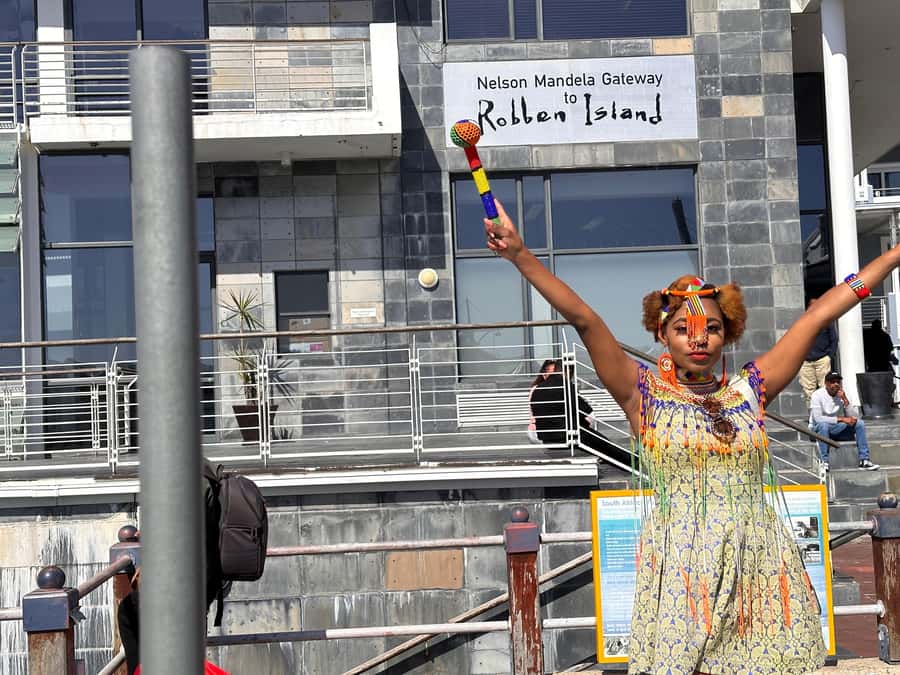
The tour begins at the Nelson Mandela Gateway to Robben Island at the V&A Waterfront. There is no hotel pickup, so you need to make your own way to the waterfront and find the boat departure area.
The meeting instructions are simple in theory: proceed to the boat departures line. In practice, allow extra time to find the correct queue. The gateway can be confusing, and the meeting point has not always been obvious. Look for the route toward the swing bridge and the gray and burgundy building, then ask staff or security if you are unsure.
Your ticket is sent by WhatsApp, iMessage, or email, so provide the correct country code and mobile number when booking. Have the message ready before you arrive. A few minutes spent searching for a voucher can create needless stress, especially when boarding is about to begin.
This booking is intended for international visitors, meaning people who are not South African citizens. South African citizens are encouraged to buy directly from Robben Island. Bring your passport or ID card, and a copy is accepted according to the tour information.
The skip-the-line benefit needs a little explanation. You skip the ticket-purchase line, but you do not walk straight onto the ferry. Everyone still queues to board, and the boat can be crowded. The advantage is real, but it saves paperwork time rather than removing every wait.
The Ferry Crossing to Robben Island
The shared ferry crossing takes roughly 30 minutes, though some accounts put the full ride closer to 45 minutes. Conditions and boarding can affect the timing. The ferry is enclosed, and seating may feel tight when the boat is full.
The crossing is part of the experience, not just transport. Cape Town recedes behind you, and Robben Island becomes more distinct as you approach. On a clear day, you may see seals, seabirds, or other wildlife around the route. One recent visit even included a whale sighting, though that is luck rather than a promised feature.
Bring a coat, even in warm weather. Wind on the water can be chilly, especially if you sit outside. If you are prone to seasickness, choose a seat where you can look toward the horizon and take the crossing seriously. The water can be rough.
The ferry is shared with other tour groups, and you should not expect a quiet private boat ride. That is part of the trade-off for the $79 price. You get the return crossing and the island program in one package, but you share the transport and follow the operating schedule.
The Island Bus Tour Covers More Than the Prison

After docking, you meet the island tour staff and board a bus. The bus portion introduces the wider site before you enter the prison. It helps you understand that Robben Island is more than one building and one cell.
The guide points out important buildings and explains how the island operated. The commentary brings together the prison system, the people who lived and worked there, and the broader political story. Guides have included people such as Yasien Mohammed, Troyer, and Talent, though the assigned guide can change.
This first section is often praised for its clear storytelling. A good bus guide makes the place easier to picture, explaining the island as a working compound rather than a collection of ruins. You may also hear about the lives of guards and their families, which adds another layer to the story.
The bus itself is not always the strongest part of the visit. Some vehicles are old, with small windows, dirty glass, or weak sound systems. If you sit near the back, it may be harder to hear the commentary. Try to choose a seat where the guide’s voice and the speaker system are clear.
The stops can also feel rushed. A visit to see penguins and have coffee may last only about 10 minutes, and queues can form when several buses arrive at once. Treat these stops as brief pauses, not as separate wildlife visits. The main purpose is the island’s history and the prison.
A few more island trips around Cape Town worth a look
- Robben Island Ferry Ticket and Guided Prison Tour
★ 3.0 · 160 reviews - Cape Town: Robben Island ferry ticket with guided tour
★ 4.0 · 61 reviews - Cape Town: Robben Island ferry ticket plus Guided Tour
★ 3.3 · 37 reviews - Cape Town: Robben Island Boat Trip & Museum Tour Ticket
★ 3.9 · 28 reviews
Meeting a Former Political Prisoner
The most important part begins when you leave the bus and enter the prison area with a former political prisoner. This guide does not simply repeat dates and facts. He explains what the place felt like from the inside, including the treatment of Black political prisoners and the conditions they faced.
That personal link changes the visit. A cell is no longer just a small room behind a door. It becomes part of a system that shaped daily life, punishment, resistance, and survival. You hear about prison routines and the ways political prisoners were treated, with the guide answering questions along the way.
The guides bring different personalities to the role. Sipho has been praised for his kindness and inspiring answers. Terence has led visitors through the prison from his own point of view. Monde has also guided the prison section. The actual guide depends on the day, but the important point is that this portion is led by someone with direct experience of imprisonment on the island.
The talks can be emotional. You may hear painful details, and the stories are not softened into a neat tourist presentation. At times, sound can be an issue if the group is large or the guide speaks while people are moving between rooms. Stay close and listen carefully.
A short historical introduction at the start would help some people place the details before the personal account begins. The prison guide is strongest when his story is heard alongside the bus guide’s broader explanation.
Seeing Nelson Mandela’s Cell
Nelson Mandela’s cell is small and plain. That simplicity is exactly what makes it powerful. There is no grand memorial room to distract you from the fact that a major figure in South African history spent years in a confined space like this.
The cell alone cannot explain Mandela’s life or the end of apartheid. It is a symbol, not the whole lesson. The surrounding prison blocks, the accounts of other political prisoners, and the explanations of the prison system give the cell its meaning.
You may find the stop crowded, and the time inside can be limited. Do not expect a long private moment. Take in the details, listen to the guide, and remember that many people shared the same prison system under different conditions.
I appreciate that the tour does not present Mandela as the only person who suffered or resisted. The visit also points toward other political prisoners and the wider struggle against racial rule. That makes the experience more honest and less like a single-person memorial.
How the Four Hours Usually Feel
The stated duration is four hours, including the ferry trip and the island tour. The detailed island portion is about 3.5 hours when the boat cruise and guided visit are counted together, though real timing can shift with loading, weather, staffing, and queues.
A typical flow looks like this:
- Meet at the Nelson Mandela Gateway.
- Join the boarding queue and take the shared ferry.
- Dock at the Robben Island Museum.
- Board a bus for the island tour.
- Make brief stops at key points on the island.
- Walk through the prison with a former political prisoner.
- Return to the harbor and take the ferry back to Cape Town.
The schedule is generally well organized, but it is not flexible. If one bus is delayed or several groups arrive at once, a short stop may become shorter. Minor transport or staffing problems can happen, though the operation works to keep the main prison visit on track.
You should not plan a tightly timed activity immediately afterward. The return ferry, unloading, and movement through the gateway can take longer than expected. A half-day is the right way to think about this outing.
Is $79 a Fair Price?

At $79 per person, this is not the cheapest Cape Town activity. The price includes return ferry tickets, museum entry, the bus tour, and the former-prisoner-led prison visit. It does not include food, drinks, hotel transport, or a private guide.
The value depends on what you need. If you want to avoid handling the ferry ticket purchase yourself and prefer a ready-made visit with English guiding, the price is reasonable. The former prisoner guide is the part that gives the package its strongest value.
If you are comparing the cost with a simple ferry ticket, remember that this is not just transportation to the island. You receive the bus tour and prison visit once you arrive. On the other hand, you are paying for a shared operation, and the ferry and buses may be crowded.
The main weakness in the price equation is vehicle comfort. Old buses, poor sound systems, or short stops can make the island portion feel less polished than the subject deserves. The quality of the human guiding usually matters more, but the transport is still part of what you are buying.
Who Will Get the Most From This Visit?
I would choose this tour if you have a serious interest in South African history, apartheid, political change, or Nelson Mandela’s life. It also suits first-time visitors who want the island explained rather than simply reached.
Families can manage it if children are ready for a quiet, serious subject. The accounts include difficult material, but the guides also use humor and clear storytelling. Older children and teenagers may find the visit especially useful because the cell and prison buildings turn history into something concrete.
This is less suitable if you dislike boats, crowded group tours, or fixed schedules. It is also not ideal if you want long periods to explore independently. The island visit follows the group program, and the short stops leave little room to wander.
Wear comfortable shoes and bring a coat. Keep your identification close, make sure your electronic ticket is easy to open, and arrive early enough to find the right line without rushing.
The Honest Verdict

Yes, I would recommend booking this tour if Robben Island is on your Cape Town list. The ferry and bus logistics are not perfect, and the shared format means queues and crowded vehicles. Still, the former political prisoner who leads the prison visit gives the experience a depth that a self-guided stop cannot match.
Book it for the voices and the setting, not for luxury transport. If possible, choose an early departure to reduce the chance of long queues and to give yourself a calmer start. For a meaningful half-day focused on South Africa’s recent past, this is a strong choice.
FAQ
How long does the Robben Island tour take?
The activity lasts about four hours. This includes the ferry crossing, the island bus tour, the prison visit, and the return trip to Cape Town.
Where does the tour start and finish?
It starts and ends at the Nelson Mandela Gateway to Robben Island at the V&A Waterfront. Hotel pickup and drop-off are not included.
Is the ferry ticket included?
Yes. The price includes return Robben Island ferry tickets.
Does skip-the-line mean I can board the ferry immediately?
No. You skip the ticket-purchase line, but you still need to queue for ferry boarding.
Is the tour private?
No. The ferry, bus tour, and prison visit are shared with other people.
Who leads the prison tour?
A former political prisoner leads the prison portion. The guide shares first-hand information about conditions and life inside the prison.
Is Nelson Mandela’s cell included?
Yes. The tour reaches the prison cell where Nelson Mandela was held for more than 25 years.
What language is the tour in?
The live tour guide and stated tour language are English.
What should I bring?
Bring a passport or ID card. A copy is accepted. You should also bring a coat for the ferry, since it can be cold and windy on the water.
Can South African citizens book this offer?
This offer is intended for international visitors who are not South African citizens. South African citizens are encouraged to purchase tickets directly from Robben Island.
Just added around Cape Town
- Robben Island Museum, Stellenbosch Wineries plus Ferry Tickets★ 5.0 · 4 reviews
- Robben Island Cape Of Good Hope Penguins Including Ferry Ticket★ 5.0 · 3 reviews
- Robben Island Ferry Ticket and Guided Prison Tour★ 3.0 · 160 reviews
- Ferry Tour to Robben Island Museum with One Way Hotel Transfer★ 5.0 · 5 reviews
- Robben Island Nelson Mandela’s Prison Museum + Township Tour incl Ferry Tickets★ 5.0 · 9 reviews
- Nelson Mandela’s Robben Island Prison Museum Cape Town City Tour + Ferry Tickets★ 5.0 · 7 reviews
- Cape Town Half-Day Robben Island Tour with Ferry Ticket★ 4.5 · 13 reviews
- Boulders Beach Penguins and Seal Island Boat Trip Half Day Tour★ 4.0 · 9 reviews
South Africa Island Hopping Tours, compared.

Robben Island Ferry Tour with 1-Way Hotel Pickup
Read our review →


Robben Island Ferry with Prison Ticket and Tour
Read our review →
Robben Island Ferry Ticket and Guided Prison Tour
Read our review →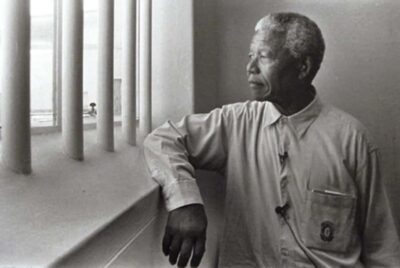
ROBBEN ISLAND MUSEUM TOUR, WITH OPTIONAL LAST MINUTE TICKETS
Read our review →

Browse the lists this tour appears in