
REVIEW · SOUTH AFRICA
Cape Town: Robben Island Ferry and Guided Tour
Robben Island is most powerful when its prison walls give way to a former political prisoner’s personal account. You’ll cross from the V&A Waterfront with Table Mountain behind you, then walk through the prison where Nelson Mandela spent 18 of his 27 years in captivity. I like the firsthand guide and the chance to see Mandela’s actual cell, rather than only reading about apartheid in a museum.
I also like the ferry crossing and island wildlife, which give the visit some breathing room between difficult historical sites. The main concern is reliability: the island tour can be canceled when weather closes the ferry, and two recent bookings ended with very late notice or delayed refunds. Check the island’s operating status before you set aside the day.
Key points to know before you book
- A former political prisoner leads the island tour, bringing personal experience to the story of apartheid and imprisonment.
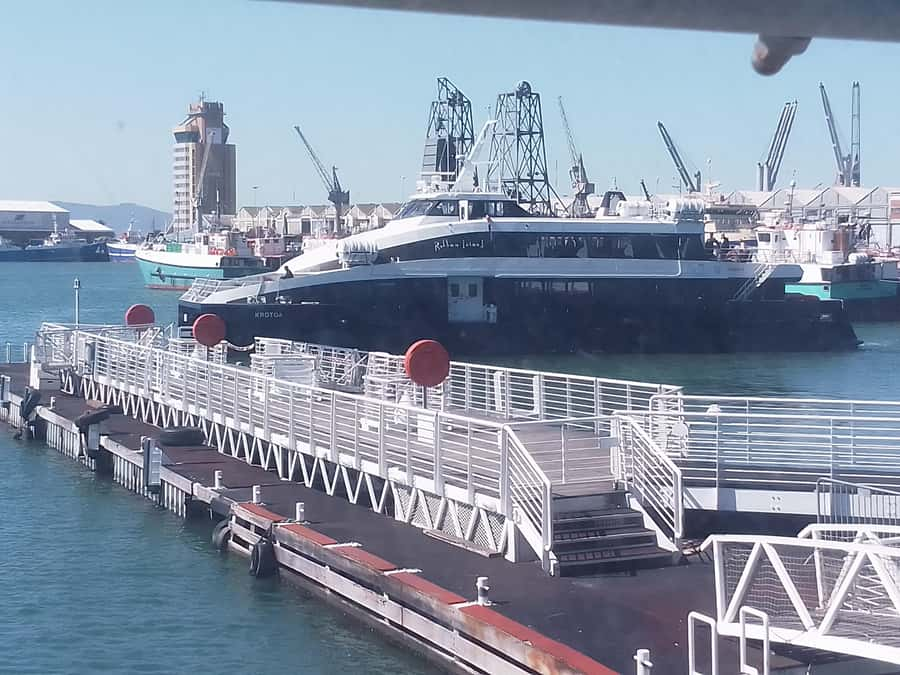
- The ferry leaves from the Clock Tower Retail Centre at Cape Town’s V&A Waterfront, with views of Table Mountain and the Atlantic coast.
- Nelson Mandela’s cell is the emotional center, but the prison yard and limestone quarry add important context.
- The advertised timing is unclear: the schedule lists a 30-minute ferry and a three-hour guided tour, while the activity summary says one hour.
- Weather can cancel the ferry, so avoid placing this tour immediately before an important flight or fixed excursion.
- The $109 price includes transport and guiding, but not meals, drinks, or an optional French translator.
Why Robben Island matters beyond Mandela’s cell
It is easy to reduce Robben Island to one famous room. Mandela’s cell is certainly the moment most people anticipate, but the island tells a wider story about the political prisoners held there and the system that placed them behind bars.
The visit helps you connect the anti-apartheid struggle to physical places. The prison yard shows where prisoners spent time under strict control. The limestone quarry shows the kind of hard labor prisoners were forced to perform. These stops keep the tour from becoming a quick photo visit centered only on Mandela.
The guide is a major part of that experience. The tour is led in English by a former political prisoner, and the personal account can make the history more direct and human. One especially positive account describes the bus guide as a former political prisoner from the 1970s who offered a great deal of background information. That is the kind of detail that gives the visit weight.
No guide’s name is provided in the booking information, so I would not expect to select a particular former prisoner. The important point is the format: you are not simply following a guide who has memorized dates. You are hearing the island’s story through someone connected to that period.
More Ferry Trips in Cape Town:
- Cape Town: Robben Island Ferry Ticket and Guided Prison Tour
★ 4.1 · 1,792 reviews - Cape Town: Robben Island Ferry Tour with 1-Way Hotel Pickup
★ 4.2 · 1,380 reviews - Cape Town: Robben Island Ferry Ticket and Townships Tour
★ 4.5 · 400 reviews
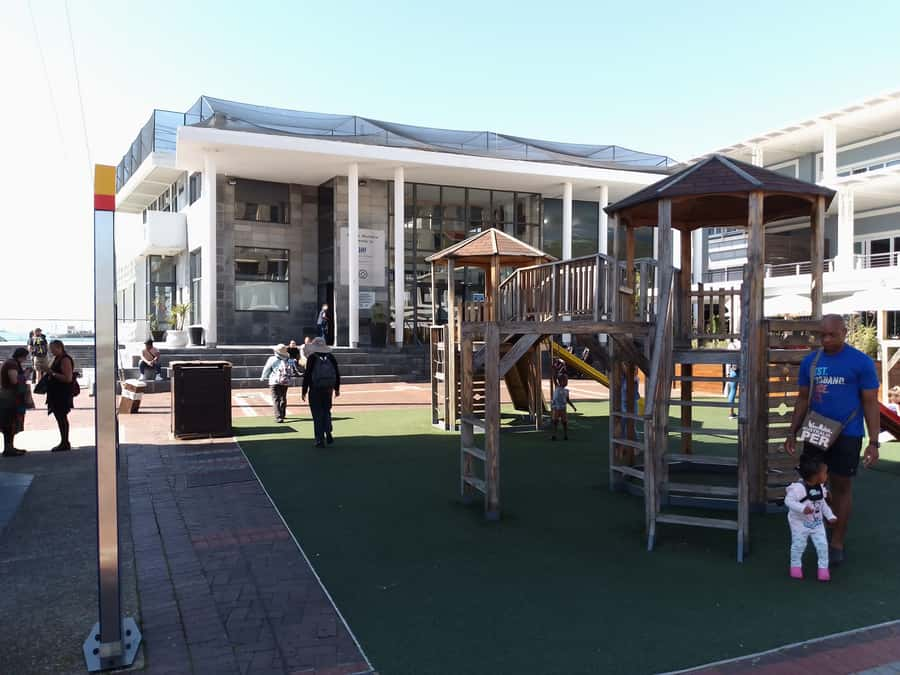
Starting at the Clock Tower Retail Centre
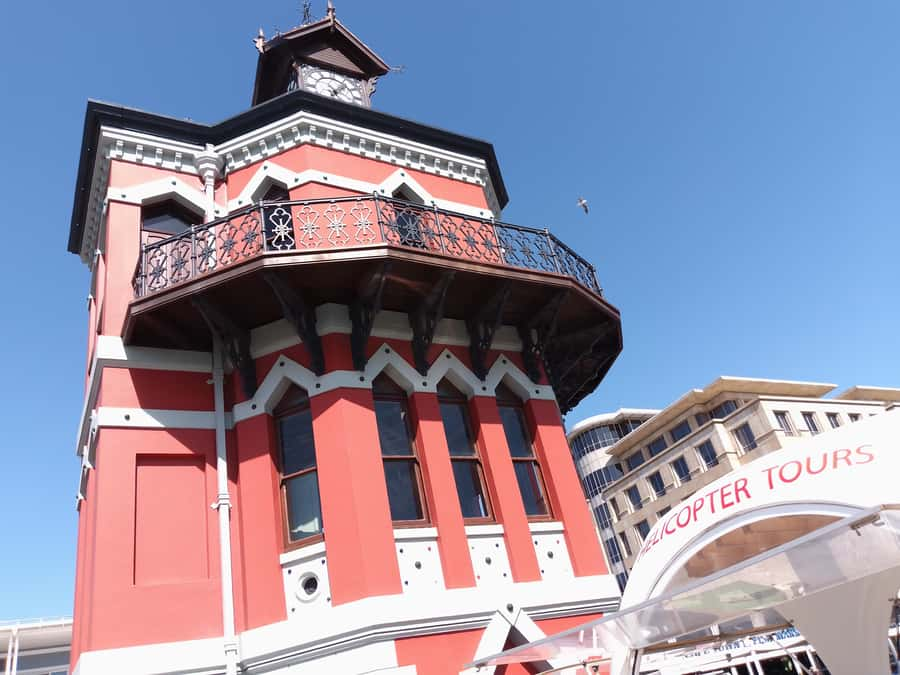
Your meeting point is the Clock Tower Retail Centre at the V&A Waterfront. Look for the Victorian Gothic-style Clock Tower, a red structure with pointed windows and a clock imported from Edinburgh.
The building began life as Cape Town’s Port Captain’s Office in 1882. Its old red paint has been carefully matched to the original color, so it is easy to recognize and worth a quick look while you wait. This is a practical meeting point because the waterfront provides a clear public location before the ferry crossing.
Bring your passport or identity card. A copy is accepted, but you should have the required identification ready before arrival. You will also want comfortable shoes, a hat, sunscreen, and a camera. Smoking is not allowed during the activity.
The information supplied for this experience gives conflicting timing. The summary calls it a one-hour activity, but the detailed schedule lists a 30-minute ferry ride and a three-hour guided tour on Robben Island. In practical terms, you should plan for several hours rather than one hour, and allow extra time for boarding and returning to the waterfront.
The 30-minute ferry across Table Bay
The ferry ride is more than a transfer. As you leave the V&A Waterfront, you get a different view of Cape Town, with Table Mountain and the Atlantic coastline opening behind you. The crossing also gives you time to shift from city sightseeing to a place shaped by confinement and political struggle.
The water can be rough, and the ferry runs only when weather conditions permit. That is the biggest practical weakness of this experience. A canceled ferry means the island visit cannot go ahead, and recent booking problems included notification only about 30 minutes before departure in one case. If the visit matters greatly to you, check conditions and the island’s operating status as close to departure as possible.
Keep your camera ready during the crossing. The activity information says you may see seals, penguins, and different bird species during the visit. Wildlife sightings are not guaranteed, but the open-water journey and island setting give the day more variety than a prison-only tour.
I would avoid scheduling a tight connection, a paid show, or a major dinner reservation right after this activity. The advertised schedule already has a long guided visit, and weather can affect ferry operations.
Arriving on Robben Island
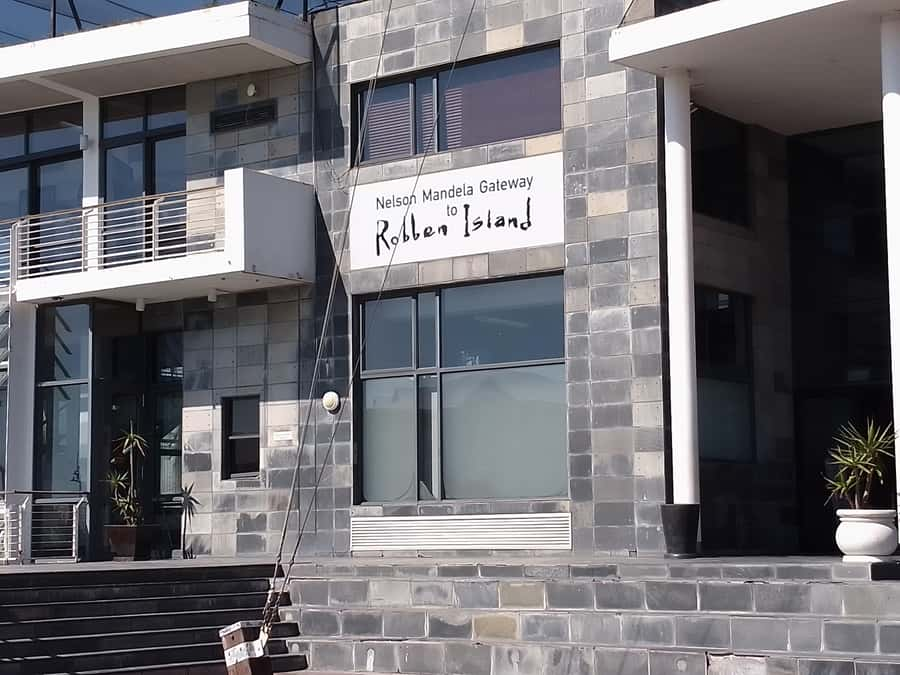
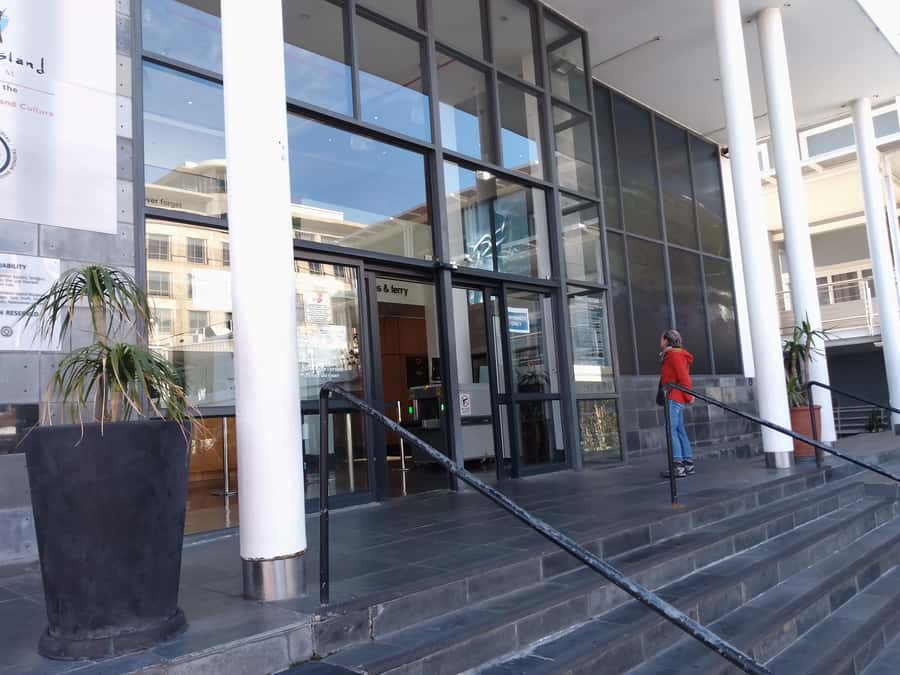
Once you reach the island, the guided portion begins. The tour focuses on the prison and other sites tied to the island’s past. A former political prisoner leads the English tour, explaining life under apartheid and the experiences of those detained there.
This is where the experience earns most of its value. A standard sightseeing guide can give you a timeline, but a former prisoner can speak from direct experience of the system that operated here. The personal angle does not replace historical facts. It gives those facts a human scale.
You should expect the visit to cover several landmarks rather than one continuous lecture. The prison yard, the quarry, and other sites help explain how prisoners lived and worked. Listen for the connections between these places, since the value is in seeing how confinement, forced labor, political punishment, and resistance fit together.
The island also has a quieter side. Wildlife, open views, and the distance from Cape Town create a contrast with the prison buildings. That contrast can be striking, but it should not distract from the purpose of the visit. You are there first to understand what happened on the island.
A few more island trips around Cape Town worth a look
- Robben Island Ferry Ticket and Guided Prison Tour
★ 3.0 · 160 reviews - Cape Town: Robben Island ferry ticket with guided tour
★ 4.0 · 61 reviews - Cape Town: Robben Island ferry ticket plus Guided Tour
★ 3.3 · 37 reviews - Cape Town-Robben Island Ferry Ticket and Guided Prison Tour
★ 3.5 · 7 reviews
Nelson Mandela’s cell and the prison block
Nelson Mandela’s small cell is the stop most people carry home with them. He spent 18 of his 27 years in prison on Robben Island, and standing outside the cell gives a physical sense of how limited his daily space was.
The power of the stop comes from its plainness. There is no need for a grand display. A small room, set within a prison block, connects Mandela’s public legacy with the harsh conditions of his confinement.
You should also pay attention to the wider prison setting. Mandela was one of many political prisoners held here, and the tour places his experience within the larger anti-apartheid struggle. That matters because the island was not only the prison of one famous leader. It was part of a system used to isolate and punish opponents of apartheid.
Photography may be useful for remembering the setting, but the cell is best approached with respect. The visit is not just another landmark stop. It is a chance to think about how a person held in such a confined place helped shape South Africa’s future.
The prison yard, quarry, and wider island story
The prison yard adds another layer to the visit. It shows the controlled setting in which prisoners lived, moved, and spent time. The quarry adds a harder physical dimension, since prisoners worked there under demanding conditions.
These stops are valuable because they prevent the tour from becoming a single-room pilgrimage. You can see how work, punishment, and daily prison life formed part of the system. The guide’s explanation is important here, especially if you want more than a quick look at old buildings.
The information provided does not list every stop or the exact order of the route. You should expect the guide to connect key landmarks across the island rather than follow a detailed museum-style path. The listed guided portion lasts three hours, which gives time for more than a brief visit, although the actual running order may change.
The island’s history can be emotionally heavy. This is not a light sightseeing stop, and younger children may find the subject difficult depending on their interest and attention span. Adults and older children who want to understand South Africa’s recent past are likely to get more from the visit.
Wildlife beside a difficult history
Robben Island is also home to wildlife, including penguins, seals, and various bird species. These sightings are an added benefit, not the main reason to book the tour.
The animals and open sea give the day a change of pace. After hearing about imprisonment and apartheid, looking across the water or spotting a bird can give you a quiet moment to process what you have seen. The natural setting also helps explain why the ferry ride feels like part of the experience rather than a simple shuttle.
Bring sunscreen and a hat because you may spend time outdoors. Comfortable shoes are sensible too, especially with a guided visit that includes several historical locations. A camera is allowed and useful for the island views, though no wildlife sighting can be promised.
Is $109 a fair price?
At $109 per person, this is not a low-cost Cape Town outing. The price includes the ferry from the V&A Waterfront, the guided island visit, and access to the listed historical sites, including Mandela’s cell. Meals and drinks are not included.
I think the price can be fair if the ferry runs and the former prisoner guide delivers the personal context promised. You are paying for transport to an offshore historical site as well as the guided visit, and arranging those parts separately would not necessarily be simpler.
The value drops sharply if you need a precise schedule or if cancellation handling is poor. Two low-rated booking experiences involved the island being closed or the organizer canceling, with one refund still delayed after repeated contact. These problems do not mean every departure will fail, but they are serious enough to affect how I would book.
I would use a payment method with clear purchase protection, save all confirmation messages, and avoid making this your only available day for seeing Robben Island. The flexible cancellation policy says you can cancel up to 24 hours in advance for a full refund, and you can reserve now and pay later, but a weather closure or organizer cancellation can still disrupt your plans.
Language, access, and who should book
The main tour is in English. French assistance is available if requested in advance at an additional cost. The activity information also lists English and French among the available languages, so confirm exactly what French support includes before paying extra.
The experience is described as wheelchair accessible. If you use a wheelchair, confirm the current ferry and island arrangements when booking, since the crossing and outdoor historical sites are central parts of the visit.
I would recommend this tour to you if you want a serious history experience, value personal testimony, and have several hours available in Cape Town. It suits visitors who want to understand apartheid through a real place, not just through a city museum or a short bus commentary.
I would hesitate if your schedule is tight, the sea forecast is poor, or you mainly want a wildlife cruise. The animals are a bonus, while the prison and anti-apartheid history are the heart of the day.
Should you book this Robben Island tour?
Book it if seeing Mandela’s cell and hearing a former political prisoner explain the island are high on your Cape Town list. The ferry views, prison yard, quarry, and possible wildlife sightings add substance to a visit that could otherwise feel like a single famous-room stop.
Before paying, check the departure status, allow several hours despite the one-hour summary, and keep your plans flexible around the weather. The experience can be moving and worthwhile, but the recent cancellation and refund problems mean you should treat the booking as an important plan that needs a backup, not as a perfectly predictable short excursion.
FAQ
Where does the Robben Island tour begin?
The meeting point is the Clock Tower Retail Centre at Cape Town’s V&A Waterfront. The Victorian Gothic-style Clock Tower was built in 1882 as the old harbor’s Port Captain’s Office.
How long does the tour take?
The supplied schedule lists a 30-minute ferry ride and a three-hour guided tour on Robben Island. The activity summary says one hour, so you should plan for several hours and confirm the current timing before departure.
What is included in the price?
The $109 price includes the ferry from the V&A Waterfront to Robben Island, an English guided tour led by a former political prisoner, visits to the historical sites, and the chance to see local wildlife.
Is Nelson Mandela’s prison cell included?
Yes. The tour includes a visit to Nelson Mandela’s cell, where he spent 18 of his 27 years in prison.
Is the tour available in French?
French translation is available if you request it in advance, and it costs extra. The main guided tour is in English.
What should I bring?
Bring a passport or identity card, or a copy, along with comfortable shoes, a hat, sunscreen, and a camera.
Can I see wildlife on Robben Island?
You may see penguins, seals, and different bird species during the visit. Wildlife sightings are an opportunity rather than a guarantee.
Can the ferry be canceled?
Yes. The ferry operates when weather permits, so poor conditions can affect or cancel the visit.
Is the activity wheelchair accessible?
The experience is listed as wheelchair accessible. Confirm the current ferry and island arrangements when booking if you need specific assistance.
Can I cancel for a refund?
You can cancel up to 24 hours in advance for a full refund according to the activity terms. You can also reserve now and pay later to keep your plans flexible.
Just added around Cape Town
- Robben Island Museum, Stellenbosch Wineries plus Ferry Tickets★ 5.0 · 4 reviews
- Robben Island Cape Of Good Hope Penguins Including Ferry Ticket★ 5.0 · 3 reviews
- Robben Island Ferry Ticket and Guided Prison Tour★ 3.0 · 160 reviews
- Ferry Tour to Robben Island Museum with One Way Hotel Transfer★ 5.0 · 5 reviews
- Robben Island Nelson Mandela’s Prison Museum + Township Tour incl Ferry Tickets★ 5.0 · 9 reviews
- Nelson Mandela’s Robben Island Prison Museum Cape Town City Tour + Ferry Tickets★ 5.0 · 7 reviews
- Cape Town Half-Day Robben Island Tour with Ferry Ticket★ 4.5 · 13 reviews
- Boulders Beach Penguins and Seal Island Boat Trip Half Day Tour★ 4.0 · 9 reviews
South Africa Island Hopping Tours, compared.

Robben Island Ferry Ticket and Guided Prison Tour
Read our review →
Robben Island Ferry Tour with 1-Way Hotel Pickup
Read our review →

Robben Island Ferry with Prison Ticket and Tour
Read our review →
Robben Island Ferry Ticket and Guided Prison Tour
Read our review →
ROBBEN ISLAND MUSEUM TOUR, WITH OPTIONAL LAST MINUTE TICKETS
Read our review →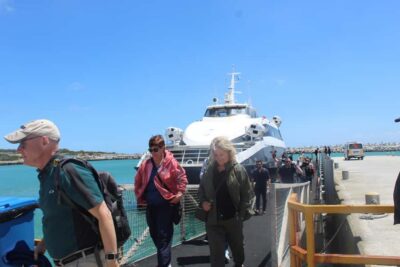
Browse the lists this tour appears in