
REVIEW · NORWAY
Oslo Nature Walks: Island Hopping Tour
Oslo’s best escape from the city may be only a 10-minute ferry ride away. This tour takes you across the fjord to Hovedøya’s nearly 1,000-year-old abbey ruins, forest paths, beaches, and old cannon sites, then continues to quieter islands where small wooden cabins line flower-filled lanes.
I like the mix of ferry rides and walking, and I like that the guide adds the stories you would miss by simply catching the public boat alone. Guides such as Shaf, Patrick, Giovanni, Neil, and Carolina have been especially good at adding local tips, history, humor, and practical care for the group.
The main thing to consider is the walking. You cover about 7 km on gravel, dirt, and stone paths, and cold or wet weather can make the outing tougher. Summer brings three islands and more time outside, while the September-to-March version visits two islands and lasts about 3.5 hours.
Key points at a glance
- Hovedøya combines abbey ruins, beaches, sheep pastures, and Napoleonic-era cannons.
- Public ferries make the tour feel like a real Oslo outing, not a sealed sightseeing bus trip.
- Summer visits three islands, including a cabin island with flowers, wooden homes, and fjord views.
- Winter visits two islands, with warm drinks and gingerbread supplied by the guide.
- Expect roughly 7 km of walking on uneven paths, so solid shoes matter.
- The $69 price is strongest if you want history, ferry transport, and a guide’s local knowledge in one half-day.
Why Oslo’s islands are worth your morning
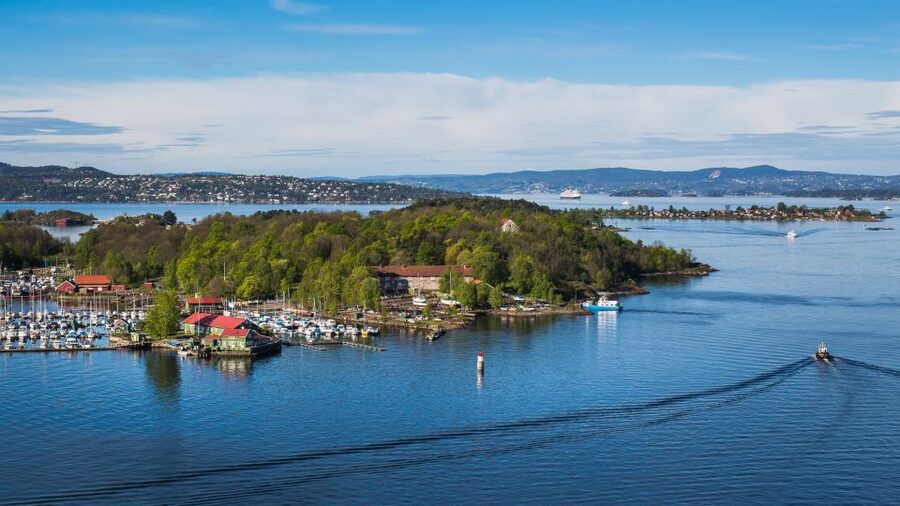
Oslo is often sold as a city of museums, modern waterfront buildings, and easy access to forests. The fjord islands show another side of the capital: small communities, summer cottages, military remains, open water, and quiet trails just offshore.
You meet near Rådhusbrygge 4, close to public ferry Platform E and the Fisketorget restaurant. Arrive 10 minutes early. The guide gathers the group before you board, which matters because the ferry is public transport rather than a private boat waiting only for your party.
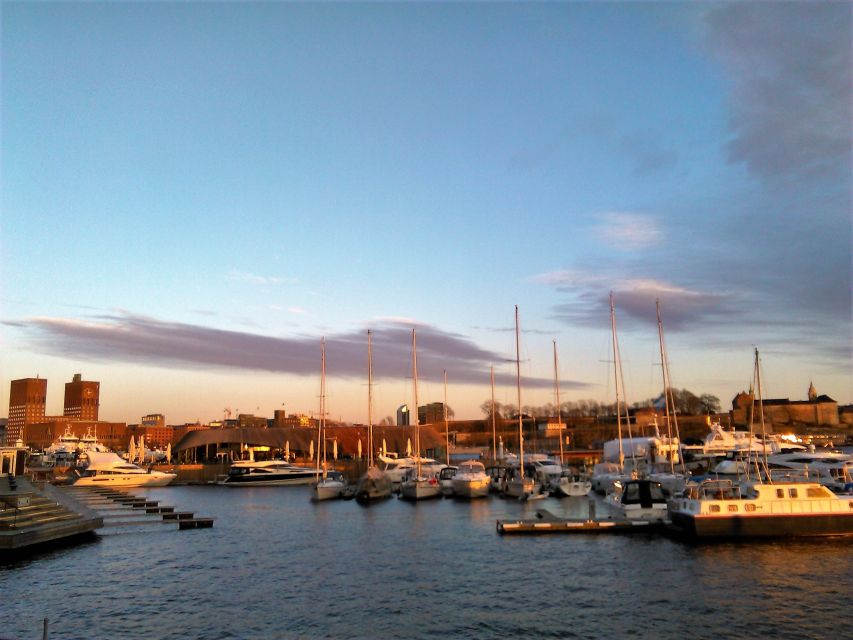
That public ferry is part of the appeal. The ride takes about 10 minutes to the first island, and you get an immediate sense of how closely Oslo’s urban center sits beside open water. On the return, the approach to the port gives you views of Akershus Fortress, City Hall, and the renewed Aker Brygge waterfront.
You are not simply riding around taking pictures. The ferry rides break up the walking, give your feet a rest, and help you understand the city’s geography. At the same time, public transport means schedules and seasonal routes shape the day. The exact order and number of islands can change with the time of year.
A few more island trips around the world worth a look
- New York City: Statue of Liberty & Ellis Island with Ferry
★ 4.6 · 18,683 reviews - Boat Trip: Glimpse of Murano, Torcello & Burano Islands
★ 4.3 · 15,699 reviews - Santorini: Volcanic Islands Cruise with Hot Springs Visit
★ 4.4 · 10,869 reviews
Hovedøya: abbey stones and open fjord views
Hovedøya, or Main Island, is the historical heart of the outing. In the summer version, you spend about an hour walking here, with time for a guided visit, photos, shoreline views, and short stops along the route.
The island’s main attraction is the old abbey founded nearly 1,000 years ago by English monks. Your guide explains how the monks arrived as Norway moved from the Viking era toward Christian Europe, and how the abbey became a powerful religious center near Oslo.
The ruins are not just a single wall beside a path. You walk among the remains of chambers and rooms, which makes the site easier to picture than a quick photo stop. The stones also give the tour a useful historical shape. You are not only hearing about medieval Norway in a museum display. You are standing in the remains of one of its religious centers.
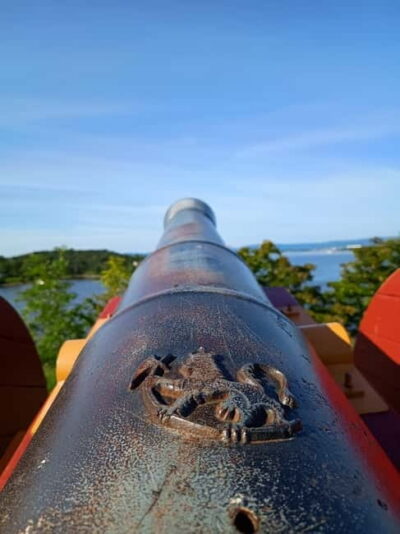
After the abbey, the path leads through birch woods and sheep pastures. The setting changes quickly from archaeology to open countryside. You may also reach old ramparts and cannons connected with the Napoleonic Wars in the 19th century.
The coast is another reason Hovedøya earns its place on the route. The guide pauses at beaches and lookout points, so you can take in the water and nearby hills rather than rush from one historical marker to the next. The shoreline is rugged in places, and the paths can be stony, so this is where sensible footwear starts to pay off.
Hovedøya is the most rewarding island if you want a clear connection between Oslo’s natural setting and its past. The possible drawback is pace. You are covering a fair amount of ground while also stopping for explanations, so anyone hoping for a long beach break or a slow archaeological visit may find the hour moves quickly.
Gressholmen: nature reserve with an unusual past
The next ferry ride takes about 10 minutes to Gressholmen. This island has a quieter, more natural feel, but its past is not simple. The tour brings together a nature reserve, military remains, and traces of what was once Oslo’s first airport.
That airport connection is one of the more unexpected details of the tour. You walk among former buildings and other sites tied to the island’s military use, hearing how the area changed over time. It is a good reminder that Oslo’s outer islands were not always just places for picnics and summer cabins.
The walking here is part of the point. Rather than moving between a neat row of major attractions, you follow paths through an island setting where the remains sit among open ground and vegetation. Your guide gives the stops meaning, since the physical traces alone may not explain what you are seeing.
Gressholmen also helps vary the day. Hovedøya supplies the strongest medieval history, while Gressholmen shifts toward transport and military history. The nature reserve adds a calmer stretch, with room to notice the water, trees, and open sky.
Seasonal planning matters. From April through August, the advertised outing lasts four to four and a half hours and includes three islands. From September through March, it lasts about three and a half hours and visits two islands. Do not assume you will see all three named stops outside the summer season.
Lindøya and the cabin islands
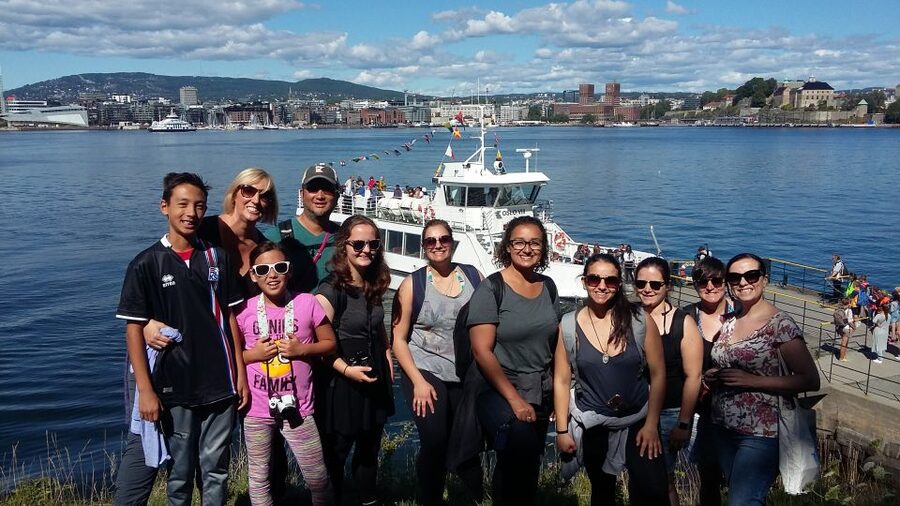
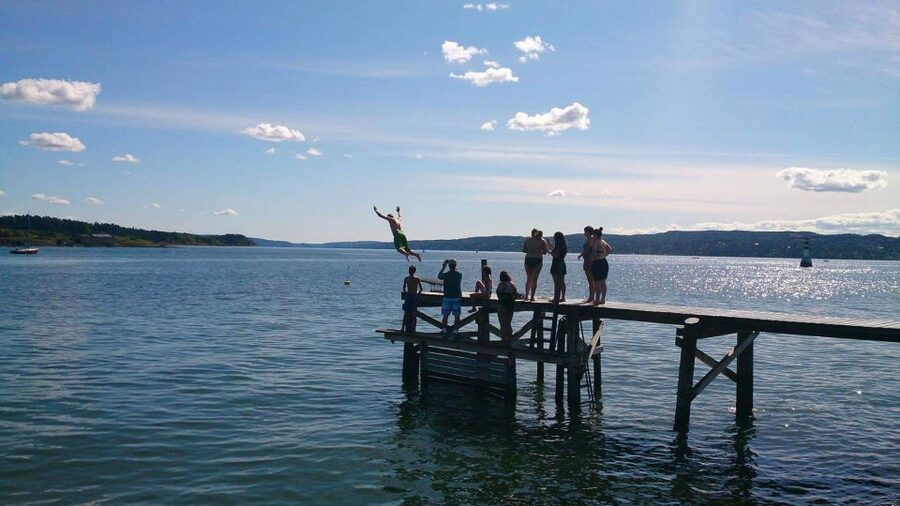
The warm-season route continues by ferry for about 15 minutes to a cabin island, identified in the itinerary as Lindøya. This is the most charming part of the outing for many people who want to see everyday leisure life around Oslo.
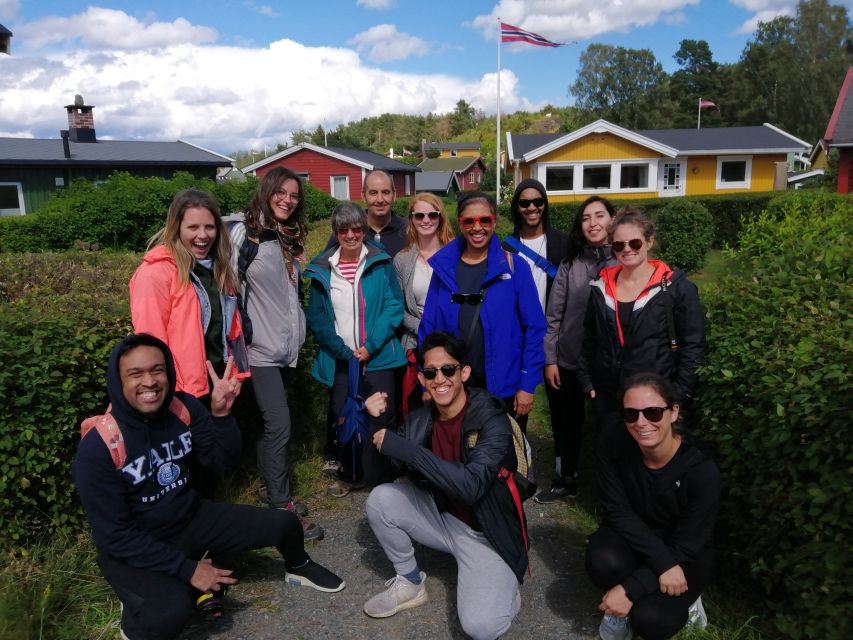
Lindøya is lined with traditional wooden homes and gardens. Flowers, painted cabins, narrow village paths, and the surrounding fjord create a very different mood from central Oslo. You walk through a lived-in holiday setting rather than a formal historic site.
The island’s lookout points provide broad views over the water and hills. The charm is not based on one famous monument. It comes from the details: small homes, garden plots, footpaths, and the sense that these islands function as places where people come to slow down.
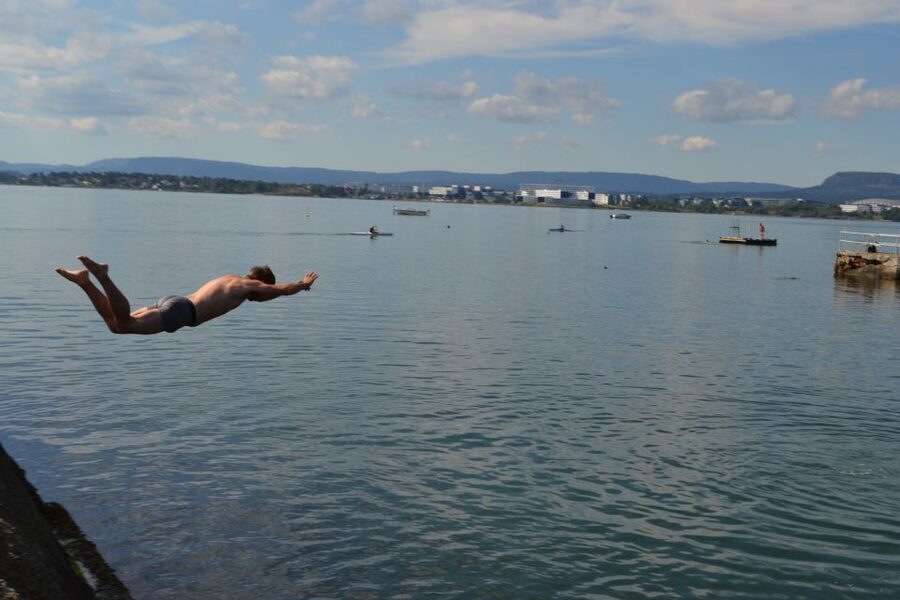
This is also the scheduled picnic portion of the day. From April through September, bring your own lunch, water, swimwear, and towel if you might want a beach stop or a quick swim in suitable conditions. A local kiosk may be open for snacks or ice cream, but its opening hours and availability depend on the season, so do not plan your whole meal around it.
From October through March, the tour is shorter and warm drinks are provided by the guide. Coffee, tea, hot chocolate, and gingerbread have been included on some winter outings, giving you a welcome pause after walking in the cold. One guide, Lola, even added Norwegian folk songs to the break, showing how much personality can shape the experience.
The cabin island is also where you see the limits of a fixed group tour. You get time for photos and a picnic, but not an entire afternoon to explore at your own speed. One particularly useful piece of feedback was a wish for about 30 extra minutes on the island. If you want an unhurried picnic, pack light food and be ready to eat during the planned stop rather than linger.
Same water, a different boat:
- Full-Day Dubrovnik Elaphite Islands Cruise with Lunch and Drinks
★ 5.0 · 8,823 reviews - Murano & Burano Islands Guided Small-Group Tour by Private Boat
★ 4.5 · 7,580 reviews - Blue cave, Mamma Mia and Hvar, 5 islands speedboat tour
★ 5.0 · 7,150 reviews - Split/Trogir: Blue Cave, Mamma Mia, Hvar and 5 Island Tour
★ 4.6 · 6,320 reviews
Ferry rides that make the tour feel local
The boats are public ferries, and your ticket is included. That saves you the task of working out the island route yourself, but the bigger value is the guide’s commentary during the crossings and walks.
A do-it-yourself ferry trip can get you to the islands. It will not necessarily tell you why the abbey mattered, how the airport fit into Oslo’s past, or what the cabin islands reveal about Norwegian outdoor culture. Guides such as Shaf have also been praised for giving useful ideas for walks and places to eat in Oslo after the tour.
The ferry legs are short: about 10 minutes to Hovedøya, 10 minutes to Gressholmen, 15 minutes to the cabin island, and about 10 minutes back to Rådhusbrygge 4 on the full route. These crossings keep the day moving, but they also mean you should stay aware of the guide and group when boarding.
The final approach to the city is a fitting finish. You see Akershus Fortress, City Hall, and Aker Brygge from the water, gaining a view that is difficult to get from the streets. For a first morning in Oslo, this can help you understand how the port, old fortress, and central waterfront fit together.
Walking, weather, and what to pack
This is not a difficult mountain hike, but it is more active than a standard city tour. The total walking distance is around 7 km, or roughly 10,000 steps, on gravel, dirt paths, and stones.
Wear good trail shoes or sturdy walking shoes. Comfortable trainers may be fine in dry summer weather, but uneven ground, rain, ice, and slippery surfaces change the equation. On one icy winter outing, the guide supplied crampons, but you should not count on that for every departure.
Bring a small backpack rather than a heavy daypack. Useful items include:
- Water
- Lunch from April through September
- Swimwear and a towel if you want the option of swimming
- Warm layers
- Rain gear
- Phone or camera
- A snack for the ferry or picnic stop
Rain gear is not included. Oslo’s coastal weather can change quickly, and the experience still runs in rain. Several outings have taken place in wet or very cold conditions, with the scenery taking on a stark, quiet quality. Still, poor weather reduces comfort and can make the paths slippery, so check the forecast and dress for the conditions rather than the calendar.
Children under nine and wheelchair users are not suited to this activity. The uneven paths, ferry access, and total distance are the key concerns.
What the guide adds for $69
At $69 per person, this is not the cheapest way to ride Oslo’s public ferries. You are paying for the ferry tickets, a four-hour or three-and-a-half-hour guided route, historical context, pacing, and help with the practical details of moving between islands.
The value is strongest if you want a structured half-day outside the center. You do not need to research ferry routes, decide which islands fit together, or work out where to stop for the best views. The guide also keeps the group together and watches the pace.
Guide quality matters here more than on a simple boat ride. The tour has been led by people including Patrick, Shaf, Giovanni, Neil, Carolina, Jon, Kat, and others. The best moments described in the feedback are not only facts about Norway. They include guides checking that no one falls behind, helping on icy paths, answering questions, sharing restaurant tips, and making a cold morning feel social.
That does mean the tone can vary. Some guides lean into local history, some into humor and stories, and some into nature and Norwegian customs. If you want complete independence, a public ferry pass and self-guided island walk may suit you better. If you want to learn while someone else handles the route, the $69 cost is reasonable.
Who should book this island tour?
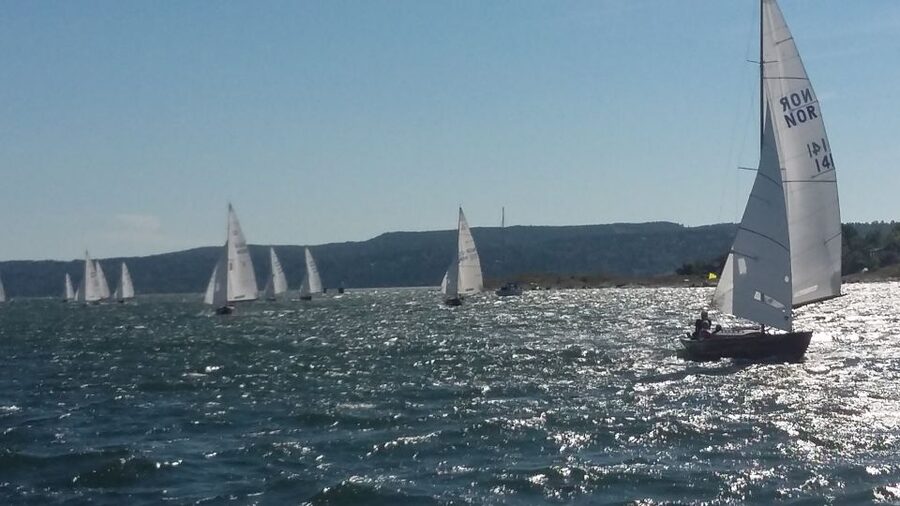
I would choose this for a first or second day in Oslo, especially if you want to see more than museums and central streets. It suits couples, active families with older children, solo visitors, and anyone who likes a mix of walking, history, and sea views.
It is also a good choice for visitors with limited time. Four hours gives you a real sense of the fjord without taking up an entire day. The winter version is shorter, and the warm drinks make it more practical during the colder months, though you still need to dress properly.
I would hesitate if you dislike uneven ground, ferry transfers, fixed group pacing, or uncertain weather. You should also skip it if your main aim is a long swim, a leisurely lunch, or a detailed archaeological study of the abbey.
Should you book it?
Book it if you want Oslo’s fjord to become part of your trip rather than a view behind the waterfront. The strongest combination is Hovedøya’s abbey, the ferry rides, the cabin island’s wooden homes, and the guide’s local stories.
Choose a summer departure for the full three-island route, flower-filled paths, longer daylight, and a picnic by the water. Choose winter only if you are ready for cold or wet conditions and prefer a shorter walk with hot drinks supplied. At $69, it is good value for an active half-day that gives you scenery, history, and a practical introduction to Oslo beyond the city center.
FAQ
How long does the Oslo island-hopping tour last?
From April through August, the tour lasts about four to four and a half hours. From September through March, it lasts about three and a half hours.
How many islands does the tour visit?
The summer version visits three islands. The September-to-March version visits two islands.
Where does the tour start?
It starts at Rådhusbrygge 4, near the public ferry departure area at Platform E beside the Fisketorget restaurant. You should arrive 10 minutes before departure.
Are ferry tickets included?
Yes. The ticket for the public ferries used during the tour is included in the price.
How much walking is involved?
You walk about 7 km, or roughly 10,000 steps, on gravel, dirt paths, and stones. Good trail shoes are recommended.
Should I bring lunch?
Bring your own lunch from April through September for the picnic stop. A kiosk may be open for snacks or ice cream, depending on the weather and opening hours. From October through March, warm drinks are provided by the guide.
Is the tour suitable for children and wheelchair users?
The tour is not suitable for children under nine or wheelchair users. The walking paths include gravel, dirt, and stones, and ferry access is part of the experience.
What language is the tour conducted in?
The tour is conducted in English with a live guide.
Just added around the world
- Moalboal Island Hopping (Pescador Island, Sardines and Turtles)★ 3.0 · 2 reviews
- Ithaca Island Bus & Cruise Tour- Swim stop to Gidaki Beach★ 4.5 · 22 reviews
- Cebu Private Tour 3 Islands Hopping Gilutungan Caohagan Nalusuan★ 4.5 · 3 reviews
- Private Island Hopping in Nasuluan, Hiltotongan and Caohngan★ 3.5 · 4 reviews
- Island Hopping | Bantayan Island – Virgin Island★ 4.0 · 3 reviews
- Island Hopping | Bantayan Island – Malapascua – Kalanggaman Island★ 5.0 · 2 reviews
- Lan Ha to Ha Long Bay Cruise and Kayaking from Cat Ba Island★ 5.0 · 4 reviews
- Glass Bottom Boat: Catalina Island Tour★ 4.5 · 70 reviews
Norway Island Hopping Tours, compared.
From Svolvær: Lofoten Islands Silent Trollfjord Cruise
Read our review →
Lofoten Island: Silent Trollfjord Cruise from Svolvær
Read our review →
Oslo: Hovedøya and Nakholmen Island Hopping Tour
Read our review →Browse the lists this tour appears in