
REVIEW · NORWAY
Oslo Island Walks: Island Hopping Tour
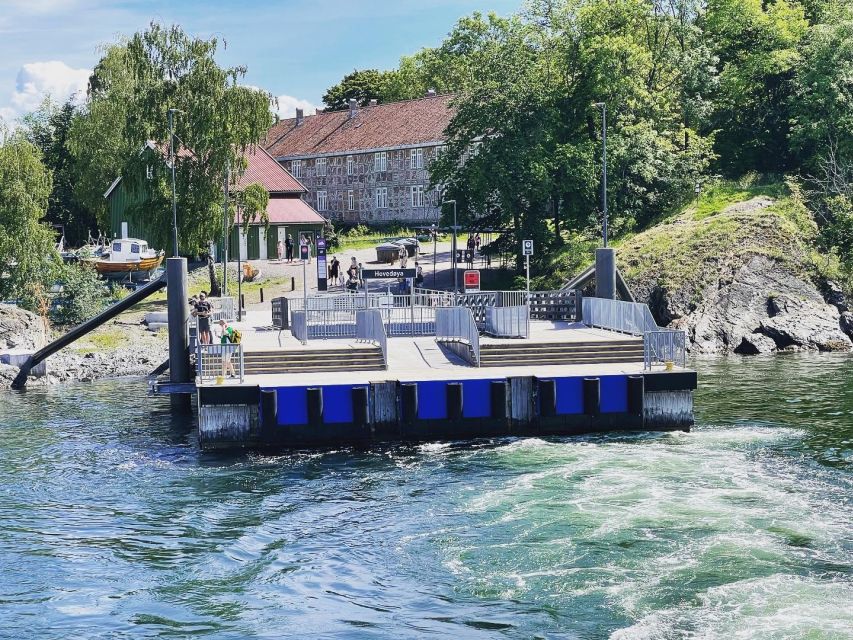
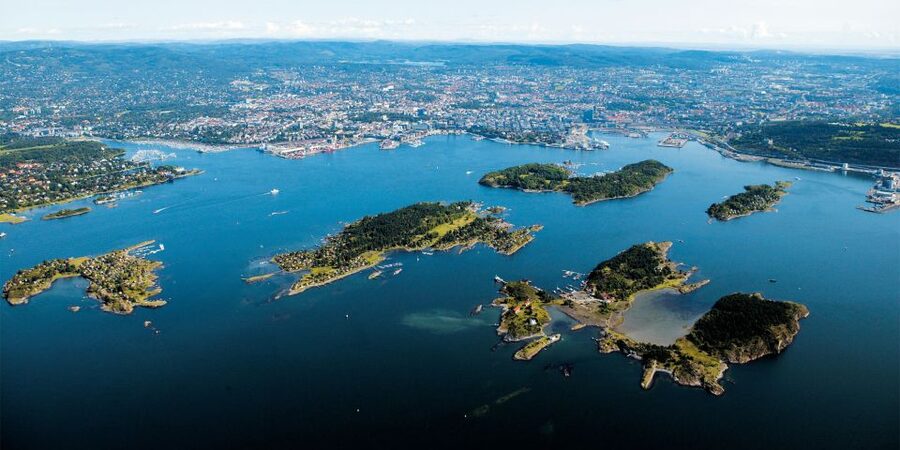
Oslo’s best escape from the city may be three short ferry rides away. This four-hour outing takes you to Hovedøya, Gressholmen, and Lindøya, combining monastery ruins, forest paths, beaches, old cannons, and small wooden holiday homes in one easy day.
I like two things especially: the tour gives you a clear introduction to the Oslofjord without making you plan ferry schedules, and the guides, including Emran, Evan, Imran, Ole, and Ola on different departures, add local stories and practical help. The pace is gentle, with time for photos, lunch, and even a swim.
The main drawback is that this is more of a guided island walk than a serious hike. If you want hours of trail walking, you may find some stops too short or some free time too long. Gravel, dirt, and stone paths also make sturdy shoes important.
Key points at a glance
- Three islands in four hours: See three very different sides of the Oslofjord in one outing.
- Hovedøya’s medieval abbey: Walk among the remains of a monastery founded nearly 1,000 years ago.
- Public ferries do the moving: The ride is part of the experience, not just transport between stops.
- A relaxed walking pace: Expect easy trails, viewpoints, beaches, and pauses rather than strenuous hiking.
- Lindøya’s summer-cabin charm: See traditional wooden cottages and gardens beside the water.
- Useful transport ticket: The included ticket can be used for public transport for 20 hours after the tour.
Why this island tour is worth your Oslo morning
Oslo can feel very urban around the harbor, with museums, offices, restaurants, and modern waterfront buildings competing for your attention. This trip changes the view completely. Within minutes, you are on a public ferry looking back toward the city and heading toward islands where the rhythm is slower and the paths are rougher.
The value is not just in ticking off three islands. It is in seeing how close Oslo remains to open water, woodland, small beaches, and summer-cabin life. You also get a useful thread of Norwegian history, from the old Norse world to Christian Europe and later military defense.
The tour costs $59 per person. That is more than the cost of using Oslo’s public ferries on your own, especially if you already have a transport pass. But you are paying for someone to organize the route, keep an eye on ferry connections, explain what you are seeing, and answer questions along the way.
The transport ticket adds real value. It can be used on public transport for 20 hours after the tour, including trams, buses, trains, and ferries in zone one according to the tour information. If you plan to keep exploring Oslo afterward, that benefit narrows the price gap.
A few more island trips around the world worth a look
- New York City: Statue of Liberty & Ellis Island with Ferry
★ 4.6 · 18,683 reviews - Boat Trip: Glimpse of Murano, Torcello & Burano Islands
★ 4.3 · 15,699 reviews - Santorini: Volcanic Islands Cruise with Hot Springs Visit
★ 4.4 · 10,869 reviews
Meeting at Aker Brygge and boarding the first ferry
Meet at the Aker Brygge tram stop beside the National Museum. The stated meeting time is 10:15 AM, with departure at about 10:25 or 10:30 AM, so arrive 15 to 20 minutes early. Look for a guide holding a Just Guide sign and wearing a blue vest.
The first ferry ride takes about five minutes. It is short, but it gives you an immediate taste of the day: fresh air, water around you, and Oslo opening up behind the boat. The ferries are public transport rather than a private sightseeing vessel, which is worth knowing before you book. You get a practical local experience, not a polished cruise with onboard commentary.
That arrangement is part of the tour’s charm. You are using the same system that connects Oslo with its islands, and the ferry rides break up the walking in a natural way. The boats are described as modern and smooth, though conditions and seating can vary with the service and the weather.
Hovedøya: abbey ruins, beaches, and old cannons
Hovedøya is the historical centerpiece. The island’s story reaches back nearly 1,000 years, when English monks arrived after the Viking Age and established a powerful monastery. Your guide explains how Norway moved from Norse traditions toward Christian Europe, then leads you through the remains.
You can walk among the abbey’s chambers and rooms and picture the island as a working religious center rather than a pleasant picnic spot. The ruins are not presented as a grand intact monument. Their appeal comes from the stone walls, open spaces, and the contrast between old religious buildings and the surrounding coastal woods.
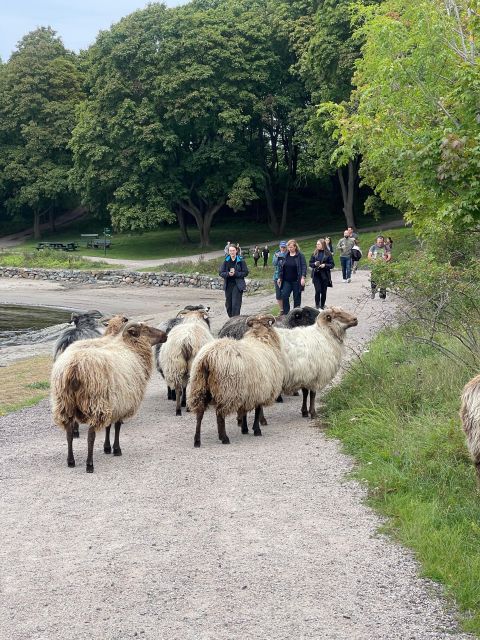
Allow about an hour here, including a break, guided explanation, walking, and scenic stops. The route continues through birch forest and open pasture before reaching fortifications and cannons connected with the Napoleonic Wars of the 1800s.
That range of history makes Hovedøya more rewarding than a quick stop at ruins. You move from medieval monastic life to military defense, then back to the shoreline. Along the coast, there are rugged views, beaches, and places to pause with the water in front of you.
The historical explanation is generally one of the strongest parts of the experience, but expect a broad introduction rather than an academic lecture. If you want detailed architectural analysis of every abbey wall, you may wish for more time. The tour is designed to keep moving and cover three islands.
Gressholmen: Oslo’s quieter side

After roughly seven minutes on the ferry, you reach Gressholmen. The stop lasts about 35 minutes and shifts the focus from history to nature.
Gressholmen is described as a peaceful retreat of open fields, forest paths, and quiet inlets. The walk is easy and gives you a chance to breathe fresh fjord air without the city noise. This is the point where the tour feels least like conventional sightseeing. There are no famous city buildings to tick off, just paths, water, and open ground.
The short visit is both a strength and a limitation. You get a taste of the island without spending half the day in one place. On the other hand, 35 minutes does not allow for a long walk or much independent exploring. If you prefer a brisk route with regular changes of scenery, the timing works well. If you want to wander slowly and search every shoreline, it may feel compressed.
The guides often use this stop to point out the character of the Oslo islands and answer questions about local life. Their friendly, conversational approach has been a recurring feature of the tour. Guides such as Emran and Evan have been praised for including everyone, sharing stories, and helping with Oslo transport and other sightseeing ideas.
Same water, a different boat:
- Full-Day Dubrovnik Elaphite Islands Cruise with Lunch and Drinks
★ 5.0 · 8,823 reviews - Murano & Burano Islands Guided Small-Group Tour by Private Boat
★ 4.5 · 7,580 reviews - Blue cave, Mamma Mia and Hvar, 5 islands speedboat tour
★ 5.0 · 7,150 reviews - Split/Trogir: Blue Cave, Mamma Mia, Hvar and 5 Island Tour
★ 4.6 · 6,320 reviews
Lindøya: wooden cottages and a possible swim
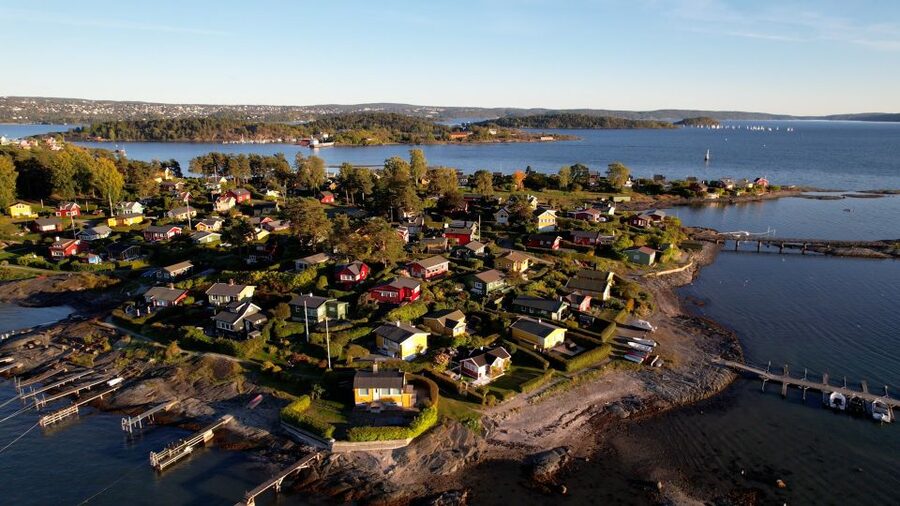
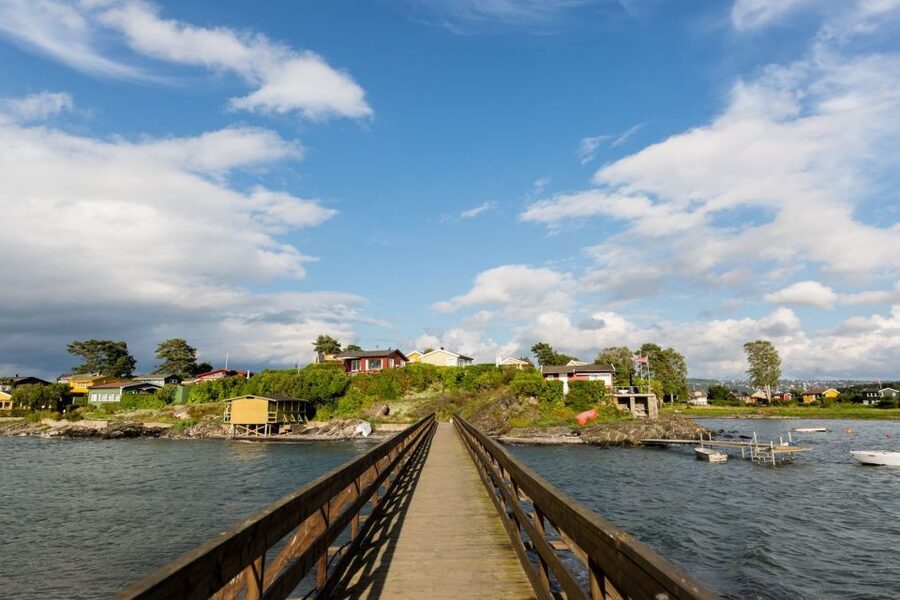
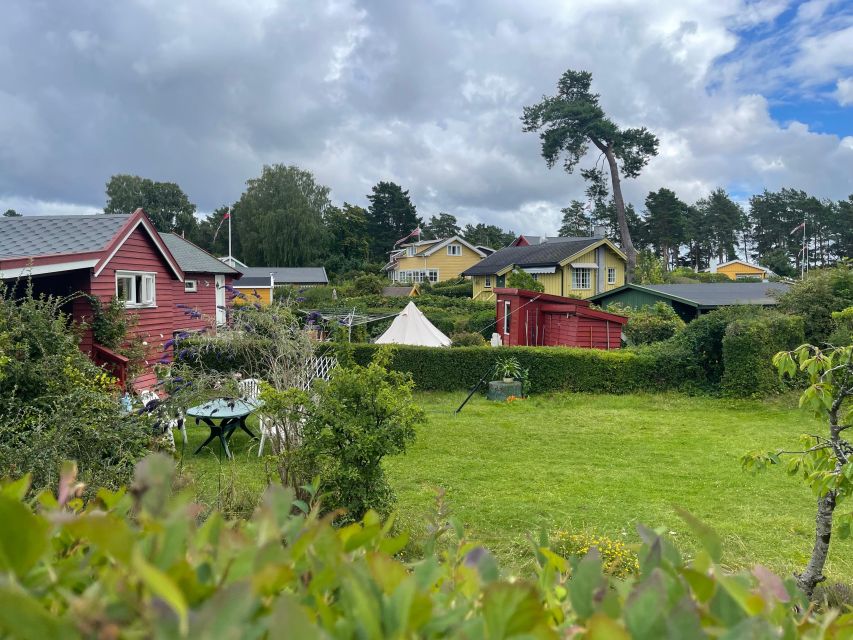
The final island is Lindøya, reached after about 15 minutes by ferry. You spend roughly an hour here, walking among traditional wooden cottages, gardens, and summer homes.
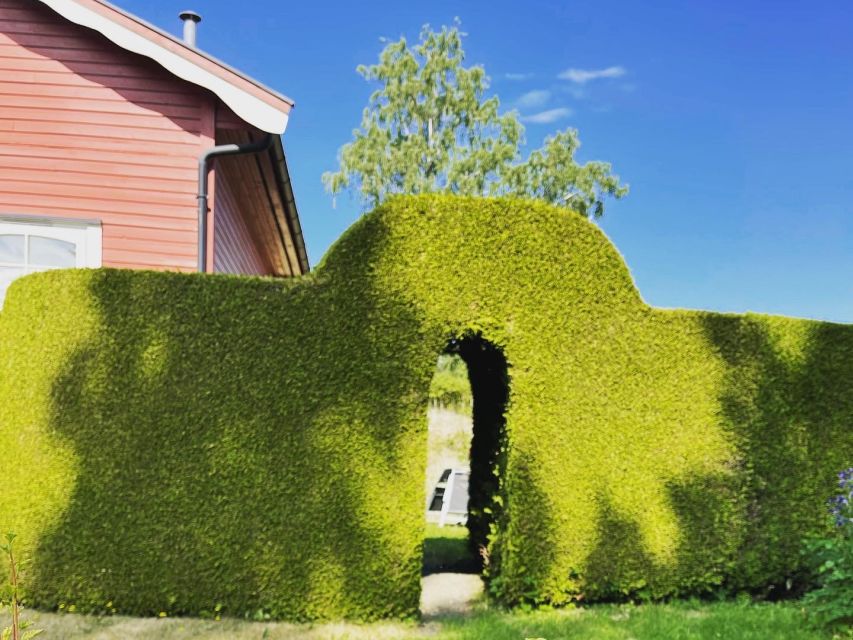
Lindøya offers a different kind of Oslo experience. Instead of monastery stones or open nature, you see a lived-in holiday setting. Small houses and flower-filled gardens sit close to the fjord, creating a strong contrast between private summer life and the open water around the island.
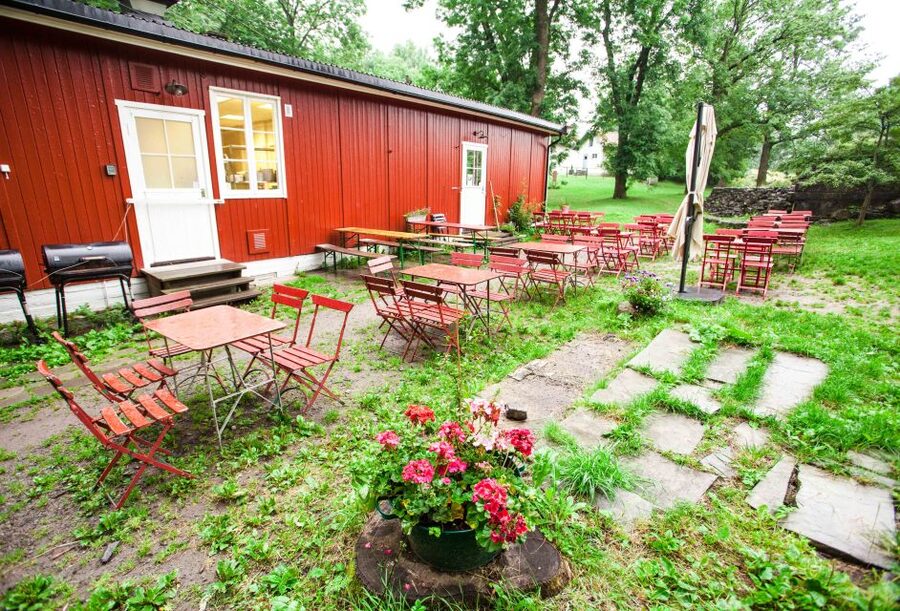
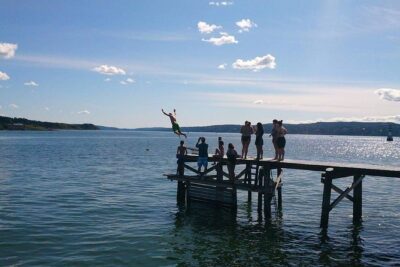
A scenic lookout gives you time to take in the water and hills. This is also the most flexible part of the day. You can have your picnic at a chosen spot, buy snacks or ice cream at a local shop, or, depending on the conditions and the group’s schedule, take a swim. Bring swimwear and a towel if that appeals to you.
Pack lunch if possible. The tour recommends bringing food, and a picnic beside the water fits the day better than relying on a quick purchase. A backpack is useful for lunch, water, a towel, and an extra layer. The local shop can help with snacks or ice cream, but it should not be treated as your only meal plan.
Lindøya is also where the tour’s relaxed pace becomes most noticeable. One departure had time for a waterfront lunch, and another allowed people to adjust their position for shade. That flexibility is useful on a sunny day, though it can feel like waiting if you came hoping for continuous walking.
The ferry ride back into Oslo
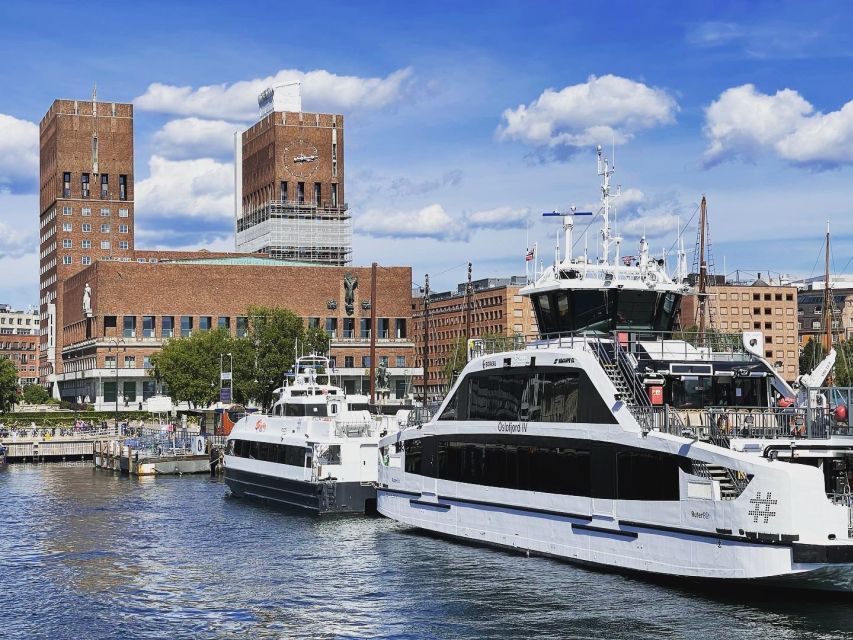
The return ferry takes about 14 minutes and brings you back toward the city center. This is a good final view of Oslo from the water, with the medieval Akershus Fortress, City Hall, and the modern waterfront of Aker Brygge coming into sight.
The arrival gives the tour a satisfying shape. You begin near the city, move outward through three very different islands, then return with a better sense of how the fjord fits into Oslo’s identity. The tour ends at Brynjulf Bulls plass 2, with the meeting and drop-off area listed in the same general city-center location.
The ferry rides also make the experience feel larger than the walking time suggests. You are not simply visiting three parks. You are crossing the fjord repeatedly, watching the shoreline change, and using Oslo’s transport network as part of the sightseeing.
How difficult is the walking?
The tour is not designed for people with mobility impairments or wheelchair users. Children under nine are not permitted. You should be comfortable walking on gravel, dirt paths, and stones, with some uneven ground near coastal areas and historic ruins.
The routes are described as gentle and moderate in pace. You do not need serious hiking ability, but comfortable trail shoes are a must. Trainers with good grip may work in dry weather, while sturdier walking shoes are wiser after rain.
Bring water and weather-appropriate clothing. Oslo’s coastal weather can shift, and the ferry crossings may feel cooler than the city streets. A backpack is better than a shoulder bag because you may carry lunch, swimwear, a towel, and an extra layer.
Pets are not allowed. Check the forecast before setting out, especially if you are counting on a picnic, beach stop, or swim.
The guide makes the difference
The route can be done independently because the islands are connected by public ferries and the transport ticket system is straightforward. The tour’s main advantage is the human layer.
Guides including Emran, Evan, Imran, Ole, Ola, and Roy have led different departures. Their style is personal and conversational, with historical explanations mixed with local stories, childhood memories, transport advice, and suggestions for other things to do in Oslo.
That style suits a group tour well. You are not left to work out which path leads to the ruins or which ferry to catch next. The guides also keep an eye on the schedule, which matters because the tour depends on public transport connections.
One useful point is that the experience is not identical to a formal museum tour. The amount of detail can depend on the guide and the group. Some people may want more information about the abbey, individual cottages, birds, or wildlife protection. If you like asking questions, this is the sort of tour where doing so improves the experience.
Is $59 good value?
For a visitor who wants an easy introduction to the Oslofjord, I think the price is fair. You receive a four-hour guided route, three island visits, ferry transport, and a ticket that remains useful after the tour. The planning help is especially valuable if you have only a short stay in Oslo.
The value is weaker if you already know the ferry system, carry a transport pass, and prefer exploring alone. You can visit the islands independently and set your own timing. In that case, the extra money buys interpretation and organization rather than access to a private site.
The rating is 4.7 from 183 recorded ratings, and transport receives a 92 percent perfect score. Those figures fit the experience’s strongest points: the ferry logistics are handled well, and the guides are generally warm, attentive, and good at keeping the group together.
Who should book this island-hopping tour?
Book it if you want to see more than Oslo’s streets and museums but do not want a demanding hike. It suits first-time visitors, photographers, history fans, ferry enthusiasts, and anyone who enjoys a picnic beside the water.
It is also a smart choice for a short Oslo stay. In four hours, you get a feel for the fjord, several layers of Norwegian history, island nature, and local summer life. The route offers enough variety that you are unlikely to feel stuck in one type of attraction.
Think twice if you need step-free access, dislike uneven paths, or want a full day of serious walking. You should also skip it if wet weather would spoil your plans, since much of the appeal is outdoors and several of the best moments depend on sitting, walking, or eating beside the water.
For most active visitors, I would book it early in an Oslo stay. The included transport ticket can help with the rest of your day, and the guides may give you useful ideas for getting around the city.
FAQ
How long does the island-hopping tour last?
The tour lasts four hours, including ferry rides, guided walks, scenic stops, and time for breaks.
Which islands does the tour visit?
The route visits Hovedøya, Gressholmen, and Lindøya.
Where does the tour meet?
Meet at the Aker Brygge tram stop beside the National Museum. Look for a guide with a Just Guide sign and a blue vest.
What time should I arrive?
The stated meeting time is 10:15 AM. Arrive 15 to 20 minutes before departure, with the ferry leaving at about 10:25 or 10:30 AM.
Is ferry transport included?
Yes. A public transportation ticket is included and can also be used for 20 hours after the tour.
Is the tour conducted in English?
Yes. The live tour guide language is English.
Can I swim during the tour?
Swimming may be possible on the third island, Lindøya. Bring swimwear and a towel if you want that option.
Should I bring lunch?
Yes. Bringing a picnic lunch is recommended. You can choose from picnic spots with views over the water and hills, and a local shop may have snacks or ice cream.
What should I wear?
Wear comfortable walking or trail shoes, since the route includes gravel, dirt paths, and stones. Bring weather-appropriate clothing and water.
Is the tour suitable for children or wheelchair users?
The tour is not suitable for children under nine, people with mobility impairments, or wheelchair users. Pets are also not allowed.
Just added around the world
- Moalboal Island Hopping (Pescador Island, Sardines and Turtles)★ 3.0 · 2 reviews
- Ithaca Island Bus & Cruise Tour- Swim stop to Gidaki Beach★ 4.5 · 22 reviews
- Cebu Private Tour 3 Islands Hopping Gilutungan Caohagan Nalusuan★ 4.5 · 3 reviews
- Private Island Hopping in Nasuluan, Hiltotongan and Caohngan★ 3.5 · 4 reviews
- Island Hopping | Bantayan Island – Virgin Island★ 4.0 · 3 reviews
- Island Hopping | Bantayan Island – Malapascua – Kalanggaman Island★ 5.0 · 2 reviews
- Lan Ha to Ha Long Bay Cruise and Kayaking from Cat Ba Island★ 5.0 · 4 reviews
- Glass Bottom Boat: Catalina Island Tour★ 4.5 · 70 reviews
Norway Island Hopping Tours, compared.

From Svolvær: Lofoten Islands Silent Trollfjord Cruise
Read our review →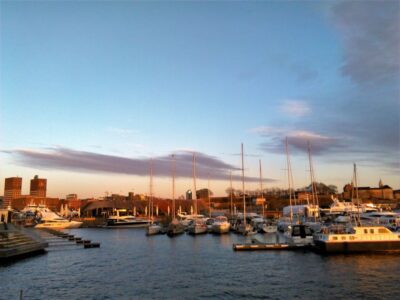
Lofoten Island: Silent Trollfjord Cruise from Svolvær
Read our review →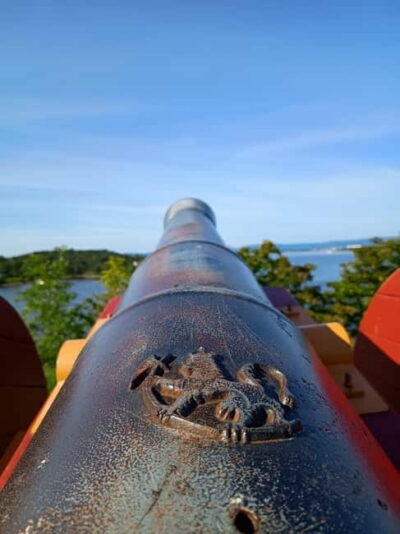
Oslo: Hovedøya and Nakholmen Island Hopping Tour
Read our review →Browse the lists this tour appears in