REVIEW · ISLAND HOPPING
Queensferry: Sightseeing Cruise to Inchcolm Island
The best part of this outing comes early: your boat passes beneath the Three Bridges, giving you a close look at one of Scotland’s most striking engineering scenes. Then Inchcolm Island adds a fine mix of medieval ruins, wartime defenses, seabirds, quiet beaches, and open views toward Edinburgh.
I like the friendly crew and the well-paced commentary, which covers local landmarks and the Firth of Forth’s wartime past. I also like that the captain may slow down for seals, dolphins, or other wildlife, giving you more than a quick glimpse. The main catch is the extra island landing fee, which is not included in the $27 boat price, and the outing can run well beyond its advertised three hours.
Key points to know
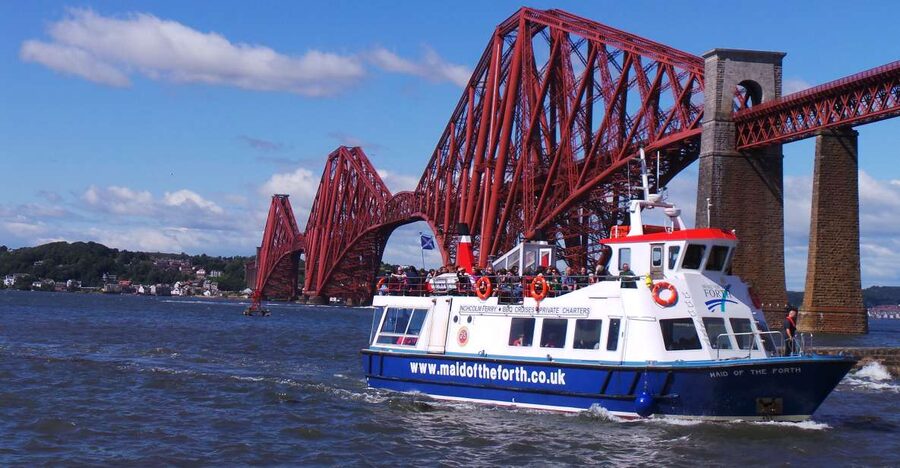
- Three Bridges from the water: The cruise passes beneath the Forth Bridge, Forth Road Bridge, and Queensferry Crossing for broad, memorable views.
- Inchcolm Abbey included by landing fee: Allow at least 1.5 hours to explore the medieval abbey, island paths, beaches, and wartime remains.
- Wildlife is possible, not promised: Seals are regularly spotted, while dolphins and puffins are occasional treats.
- Friendly crew and useful commentary: The recorded narration covers local history, landmarks, and the role of the Firth of Forth in both world wars.
- Budget for the real price: The boat costs $27 per person, then you pay £8 per adult, £6.50 for concessions aged 60 and over, or £5 per child aged 5 to 15 to land.
- Plan for rough ground: Gravel paths, uneven surfaces, seabirds, and limited island facilities make this a poor choice for wheelchair users.
Beneath the Three Bridges from Queensferry
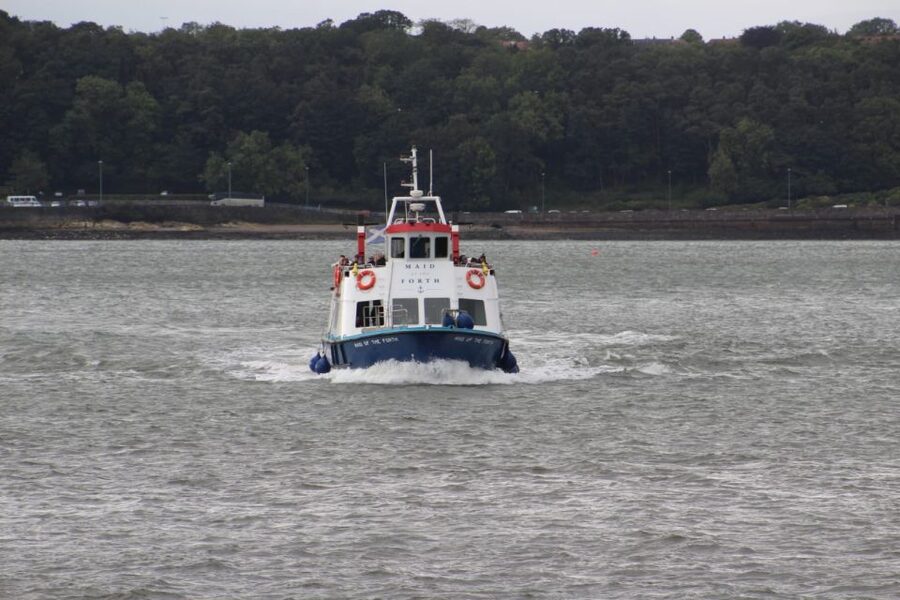
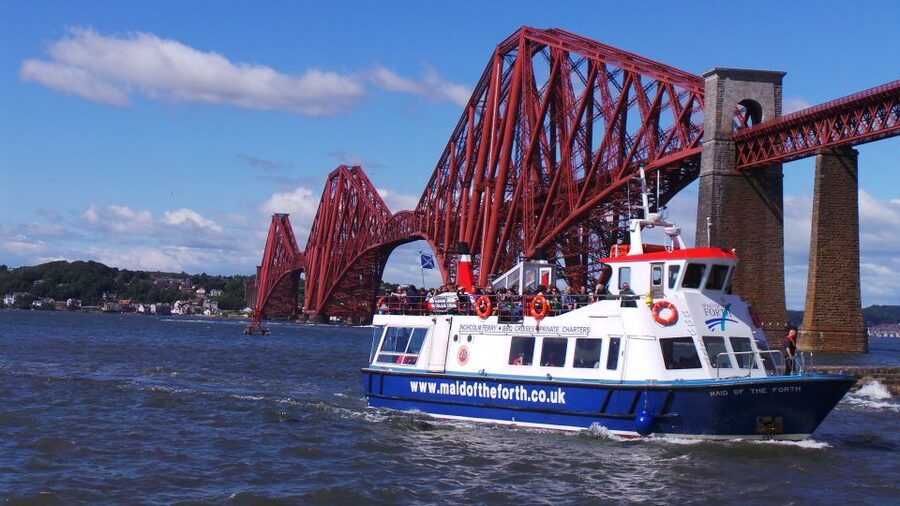
You begin at the Forth Boat Tours ticket kiosk, a blue kiosk with flags on the street in Queensferry. From there, the spacious boat heads into the Firth of Forth, where the first major sight is the famous bridge group.
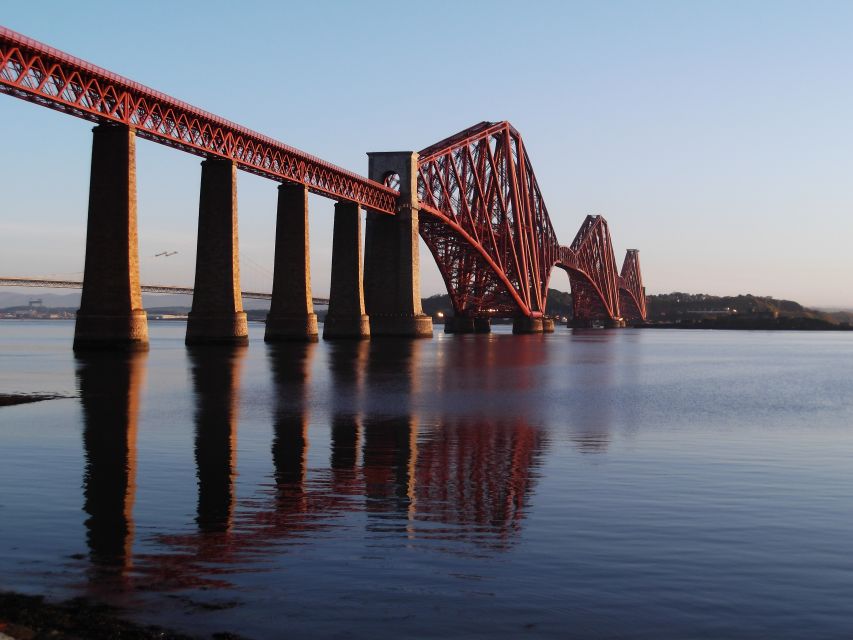
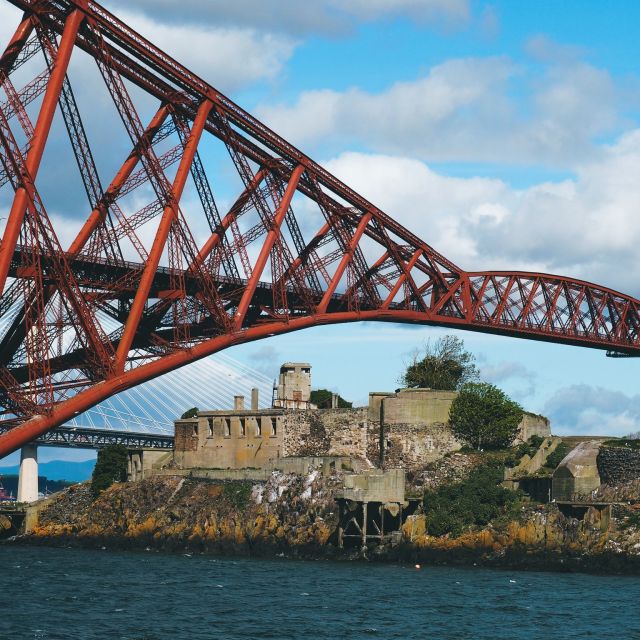
The Forth Bridge is the oldest of the three and its red steel structure is easy to admire from the water. The Forth Road Bridge follows, then the Queensferry Crossing, giving you three different chapters of bridge design in one view. The boat passes beneath the bridges, so you can look up at the huge spans and see how their shapes change from deck level.
I find this part especially good for first-time visitors to the area because the bridges give you an immediate sense of place. You are not simply looking at a distant landmark from a roadside viewpoint. You are moving beneath it, with Queensferry behind you and the open water ahead.
The onboard commentary adds useful detail about the bridges, nearby landmarks, and the Firth of Forth. It is a recorded presentation, supported at times by friendly crew members who add extra facts and speak with passengers. Several visitors found the narration informative and entertaining, though sound can be harder to hear inside the boat when people are talking. If the weather allows, I would sit outside or close to an outdoor speaker.
The boat has a bar where you can buy drinks and snacks. Food and drinks are not included, so you should bring or buy what you need, especially if you plan to eat on the island.
A few more island trips around the world worth a look
- New York City: Statue of Liberty & Ellis Island with Ferry
★ 4.6 · 18,683 reviews - Boat Trip: Glimpse of Murano, Torcello & Burano Islands
★ 4.3 · 15,699 reviews - Santorini: Volcanic Islands Cruise with Hot Springs Visit
★ 4.4 · 10,869 reviews
The crossing to Inchcolm Island
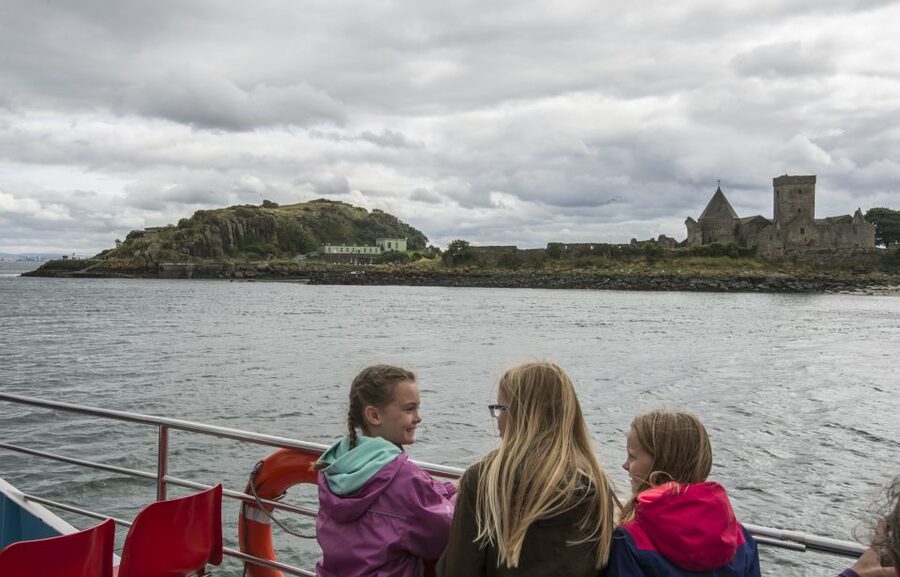
The crossing to Inchcolm takes roughly 40 minutes, though the total schedule can vary. This is not dead time. You get changing views of the bridges, the water, the Edinburgh skyline, and the island itself as it grows closer.
Keep your camera ready, but do not spend the whole crossing staring through a screen. Inchcolm is low and green from the water, with the abbey forming the main visual focus. You can also see signs of its military past, since the island was used for coastal defense.
Wildlife adds a welcome element of chance. Seals have been seen several times during a single trip, and the captain may slow or stop the boat so people on both sides have a better view. Dolphins have also appeared, though only briefly. Puffins are possible, but no sighting is guaranteed. I would treat any animal encounter as a bonus rather than the reason to book.
One practical point matters here: the boat may take longer than the three-hour duration shown at booking. Some outings have lasted closer to four and a half hours, particularly when wildlife viewing, boarding, or the island schedule takes extra time. If you have a dinner booking, taxi, or timed attraction afterward, leave a generous buffer.
Landing on Inchcolm Island
You must pay the landing fee when collecting your boat tickets if you plan to get off at Inchcolm. The fee is £8 per adult, £6.50 for concessions aged 60 and over, and £5 for children aged 5 to 15. Members of Historic Environment Scotland, English Heritage, or Cadw are exempt.
This charge is set by Historic Scotland and pays for access to the island and its historic site. It is worth including in your mental ticket price from the start. At $27 for the cruise plus the island fee, the day remains good value if you want the abbey and a proper walk. It is less attractive if you only want a short boat ride beneath the bridges.
You receive at least 1.5 hours on the island, and the schedule may provide closer to two hours. That is enough time to visit the abbey, walk the paths, look at the defenses, sit on the beach, and enjoy a picnic. Some people find the time generous because the island is small. I see that as a benefit if you want a quiet break rather than a rushed photo stop.
The island has gravel paths and uneven ground. Comfortable shoes are essential, and you should expect some rough walking. It is not suitable for wheelchair users. Bring a jacket even on a bright day, since the boat and exposed island can feel cooler than Queensferry.
Inchcolm Abbey and the island’s quiet appeal
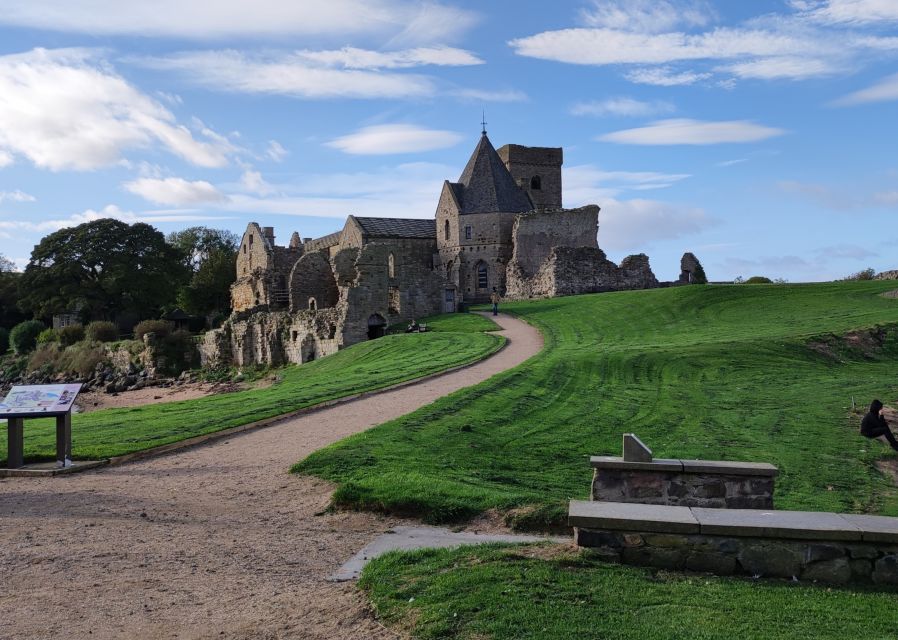
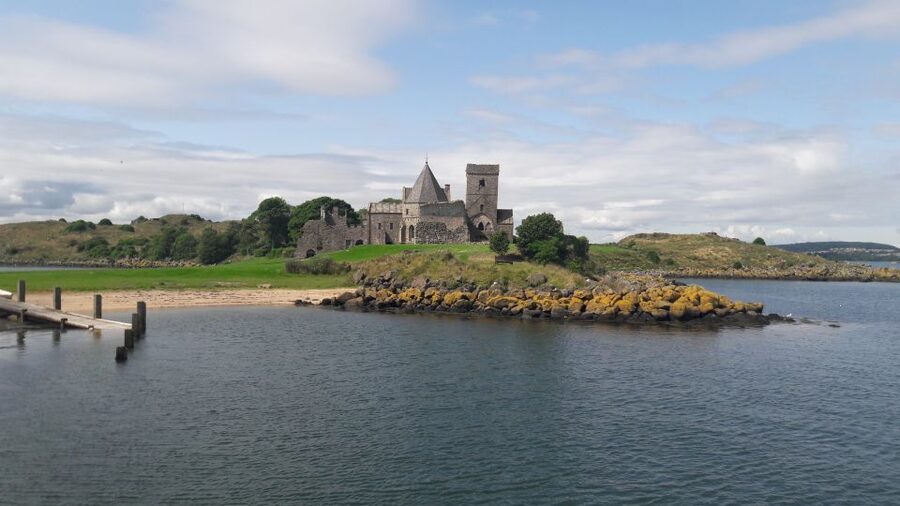
The medieval abbey is the main reason to pay the landing fee. It is described as one of the best-preserved groups of monastic buildings in Scotland, and its stone walls, tower, and ruined rooms give the island its character.
You can walk through the remains at your own pace rather than being pushed along with a large guided group. The abbey is compact, but it rewards slow attention. Look at the shape of the surviving stonework, the enclosed spaces, and the way the building sits apart from the modern world.
The main tower provides a particularly good viewpoint, though you should be prepared for steps and uneven surfaces. One visitor found the view from the top especially worthwhile. From higher ground, the water, bridges, mainland, and Edinburgh skyline come together in one wide scene.
The island also has wartime coastal defenses. These add a later layer to the visit and help explain why Inchcolm mattered beyond its religious life. The commentary on the boat covers the island’s role during the First and Second World Wars, while the remains give you something physical to see after hearing the story.
I like the contrast here. One minute you are looking at medieval abbey ruins, and the next you are considering concrete defenses built for modern warfare. Inchcolm is small, but the different periods are easy to grasp during a short visit.
Same water, a different boat:
- Full-Day Dubrovnik Elaphite Islands Cruise with Lunch and Drinks
★ 5.0 · 8,823 reviews - Murano & Burano Islands Guided Small-Group Tour by Private Boat
★ 4.5 · 7,580 reviews - Blue cave, Mamma Mia and Hvar, 5 islands speedboat tour
★ 5.0 · 7,150 reviews - Split/Trogir: Blue Cave, Mamma Mia, Hvar and 5 Island Tour
★ 4.6 · 6,320 reviews
Beaches, picnic time, and seabirds
Do not spend all your island time indoors or among the ruins. Inchcolm’s beaches give you a chance to sit down, eat, and look back toward Edinburgh. Pack a picnic if you can, because the island does not offer a full food service.
There is a gift shop with some snacks, drinks, and a tea and coffee machine. Facilities are basic. There is no running water, and the toilets use hand sanitizer rather than sinks. I would carry water, food, and anything you need for a few hours outdoors.
Seabirds are part of the island experience, especially around nesting areas. During the breeding season, gulls can be protective and may behave aggressively if you get too close to eggs or young birds. Keep your distance, follow any signs, and do not leave food exposed.
Puffins are listed among the wildlife you might see, but sightings depend on timing and luck. Seals are a more realistic hope, particularly during the boat ride. You may also spot other birds from the island and the boat, but the outing is not a formal wildlife safari.
Returning through the Firth of Forth
The return cruise gives you another look at the bridges from a different angle. If you sat on one side of the boat on the way out, consider moving so you can vary your view.
The boat heads back through the Firth of Forth, with further chances to see seals and other marine life. The crew has shown a willingness to slow for wildlife, which makes the return journey more than a simple transfer. Still, the water and weather control what you see. On a gray day, the crossing can feel cool and exposed, though the scenery remains atmospheric.
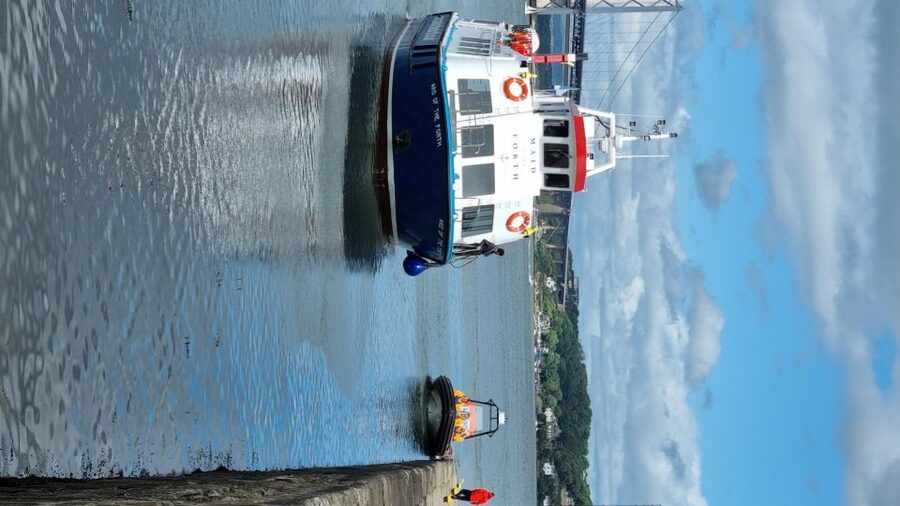
The boat eventually returns to the Forth Boat Tours ticket office in Queensferry. Since the schedule can run late, I would avoid booking a tightly timed activity immediately afterward. One useful rule is to arrange a taxi for about 30 minutes after the planned return rather than calling only when you reach the pier.
Crew, commentary, and comfort onboard
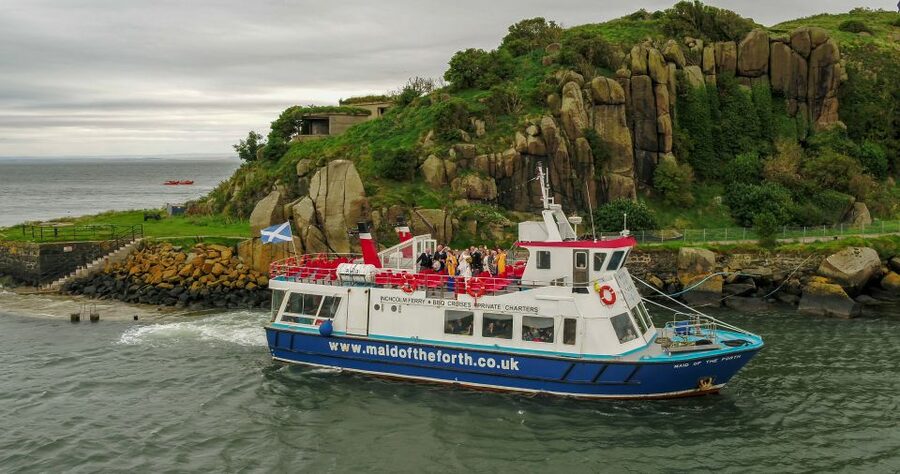
The crew receives some of the strongest praise for this experience. Staff are described as helpful, warm, and willing to chat with passengers. Kyle is singled out for being particularly helpful, and the crew has assisted older passengers with boarding and leaving the boat.
The commentary combines local facts, bridge information, and stories about the Firth of Forth. It is not a full live lecture, but it gives the trip shape and helps you understand what you are seeing. I would not rely on hearing every word from an indoor seat, especially when the cabin is busy. Move closer to the speaker or sit outside when practical.
The vessel is described as clean and well kept, with enough room to relax with family or friends. This is a family-friendly trip, so you may encounter excited children and some noise. If your ideal boat ride is silent, choose an outdoor seat and bring headphones for quiet moments.
The trip also works well as a break from Edinburgh’s busy center. During the Fringe, the boat and island can provide a calmer half-day away from crowds, though the boat itself may still have plenty of families onboard.
Who will enjoy this outing most
I would choose this trip if you want several experiences in one outing: bridge views, a boat ride, island walking, medieval remains, wartime history, and a chance to see seals. It suits families, couples, history fans, photographers, and anyone who wants a change from city sightseeing.
It is also a good choice for people who prefer a self-guided visit. Once you land, you can set your own pace, pause for a picnic, climb for a view, or spend more time with the abbey.
I would be more cautious if you have mobility limitations, dislike uneven ground, or need a firm return time. The island is not suitable for wheelchair users, and the total outing may run longer than advertised. You should also think twice if you are booking only for puffins or dolphins, since wildlife sightings are never certain.
What to bring and how to plan
Wear comfortable shoes with a good grip. Bring a camera, warm and comfortable clothing, water, and a picnic if you want a proper meal on Inchcolm.
At the ticket kiosk, make sure you understand that the boat fare and island access are separate charges. This is the most important money-saving and expectation-setting tip. If you are a qualifying member of Historic Environment Scotland, English Heritage, or Cadw, carry proof of membership so you can claim the landing-fee exemption.
Allow more than three hours in your day. The stated duration is three hours, but the island visit, wildlife stops, boarding delays, and return schedule can stretch the outing. I would leave at least an hour of free time after the planned return before arranging another paid activity.
The activity is conducted in English. Free cancellation is available up to 24 hours before departure, and you can reserve now and pay later if that option is offered at booking.
Should you book the Inchcolm cruise?
Yes, if you are happy to pay the extra island fee and keep your schedule flexible. The bridges alone make a worthwhile boat ride, but Inchcolm Abbey is what turns this into a fuller day out. The combination of medieval stonework, wartime defenses, beaches, wildlife, and Edinburgh views gives you much more variety than a simple harbor cruise.
I would book it on a reasonably dry day, pack food, and plan for at least four hours even though the advertised duration is three. If you only want bridge photographs, choose a shorter sightseeing cruise. If you want a quiet island, good views, and a useful slice of Scottish history, this Forth Boat Tours outing earns its strong reputation.
FAQ
How long does the Inchcolm Island cruise take?
The advertised duration is three hours, including the boat trip and island visit. You should allow extra time because some departures have taken closer to four and a half hours.
How much does the tour cost?
The cruise costs $27 per person. Landing on Inchcolm Island costs an additional £8 per adult, £6.50 for concessions aged 60 and over, or £5 per child aged 5 to 15.
Is the Inchcolm landing fee included?
No. The landing fee is separate and must be paid when collecting your boat tickets. Members of Historic Environment Scotland, English Heritage, or Cadw are exempt.
What can I see on Inchcolm Island?
You can explore the medieval Inchcolm Abbey, wartime coastal defenses, beaches, gravel paths, and viewpoints toward the Edinburgh skyline. You may also see seabirds and other wildlife.
Can I see seals, dolphins, or puffins?
You may see seals, dolphins, and puffins, but sightings are not guaranteed. The boat may slow down when wildlife appears so passengers have more time to watch.
Is the tour suitable for wheelchair users?
No. Inchcolm Island has gravel paths and uneven ground, and the experience is not suitable for wheelchair users.
Is food available during the trip?
Food and drinks are available for purchase on the boat. Inchcolm Island has a gift shop with some snacks, drinks, and tea or coffee, but there is no full food service. Bringing a picnic is recommended.
Where do I meet the boat?
Meet at the Forth Boat Tours ticket kiosk in Queensferry. It is the blue kiosk with flags located on the street.
Just added around the world
- Moalboal Island Hopping (Pescador Island, Sardines and Turtles)★ 3.0 · 2 reviews
- Ithaca Island Bus & Cruise Tour- Swim stop to Gidaki Beach★ 4.5 · 22 reviews
- Cebu Private Tour 3 Islands Hopping Gilutungan Caohagan Nalusuan★ 4.5 · 3 reviews
- Private Island Hopping in Nasuluan, Hiltotongan and Caohngan★ 3.5 · 4 reviews
- Island Hopping | Bantayan Island – Malapascua – Kalanggaman Island★ 5.0 · 2 reviews
- Island Hopping | Bantayan Island – Virgin Island★ 4.0 · 3 reviews
- Lan Ha to Ha Long Bay Cruise and Kayaking from Cat Ba Island★ 5.0 · 4 reviews
- Glass Bottom Boat: Catalina Island Tour★ 4.5 · 70 reviews
Island Hopping Tours, compared.

New York City: Statue of Liberty & Ellis Island with Ferry
Read our review →
Boat Trip: Glimpse of Murano, Torcello & Burano Islands
Read our review →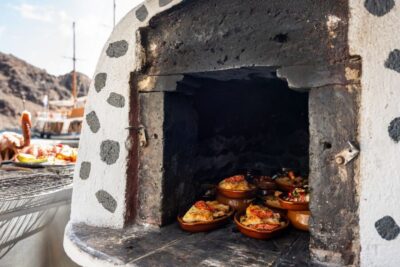
Volcanic Islands Cruise with Hot Springs Visit
Read our review →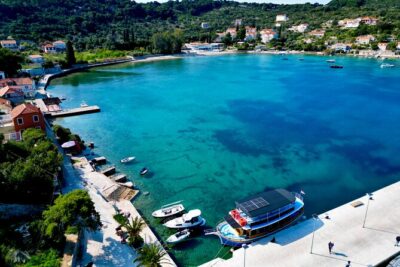
Full-Day Dubrovnik Elaphite Islands Cruise with Lunch and Drinks
Read our review →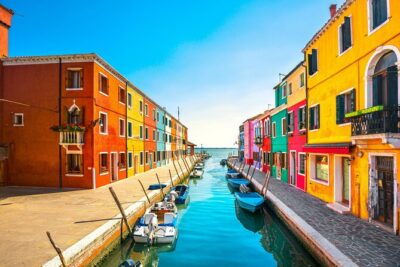
Murano & Burano Islands Guided Small-Group Tour by Private Boat
Read our review →
Blue cave, Mamma Mia and Hvar, 5 islands speedboat tour
Read our review →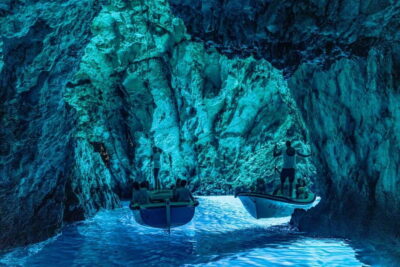
Blue Cave, Mamma Mia, Hvar and 5 Island Tour
Read our review →