
REVIEW · EL NIDO
El Nido to Coron: 3-Day 2-Night Island-Hopping Expedition
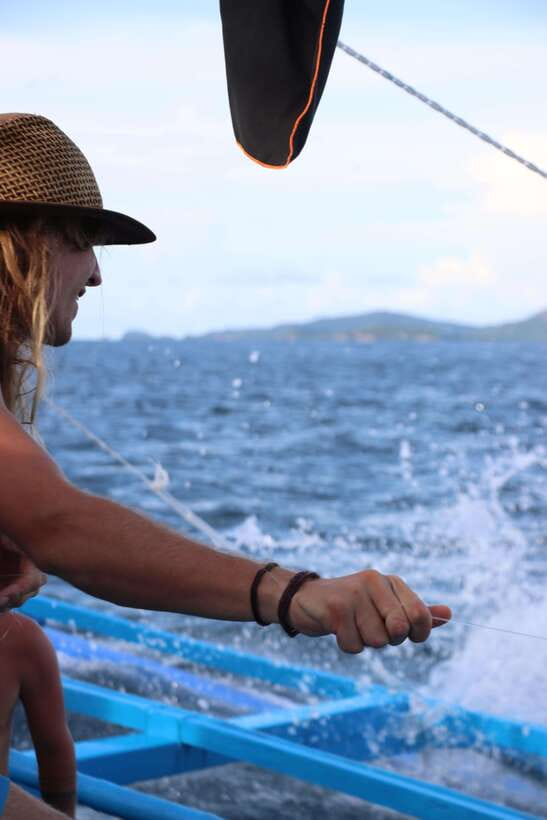
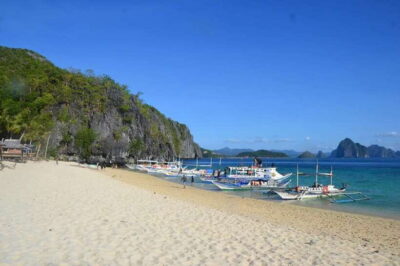
The best part of this three-day island crossing is that the journey becomes the destination. You travel by traditional Filipino bangka between El Nido and Coron, stopping at quiet beaches, reefs, coves, and small island communities that are far removed from the usual day-trip circuit.
I like the combination of excellent food and simple beach living. The onboard chefs prepare breakfast, lunch, and dinner, while your nights are spent in native huts with mattresses, linen, pillows, and mosquito nets. I also like the crew-led atmosphere, with guides such as JJ, Madu, Rico, Raymond, and Macky helping with snorkeling, games, karaoke, and safety.
The trade-off is comfort. This is not a resort cruise: electricity is limited, there is no Wi-Fi, toilets and showers are shared, and the boat can feel crowded with little shade. You will also spend long stretches sailing and may need to swim from the boat to shore.
Key points to know before booking
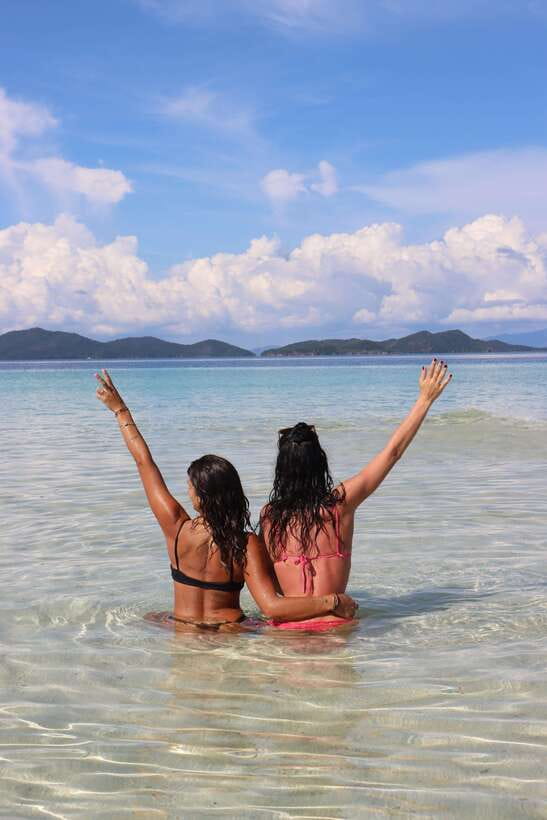
- Three days of real island travel: The route links El Nido and Coron while stopping at remote beaches, reefs, coves, and islands along the way.
- Beach huts instead of hotel rooms: You sleep in traditional huts with basic bedding and mosquito nets, usually suited to two adults.
- The crew shapes the experience: Guides lead activities, explain sea life, help with swimming, and keep the group involved with games and evening entertainment.
- Food is a major strength: Filipino meals are cooked onboard and served throughout the trip, with vegetarian and some special-diet requests accommodated.
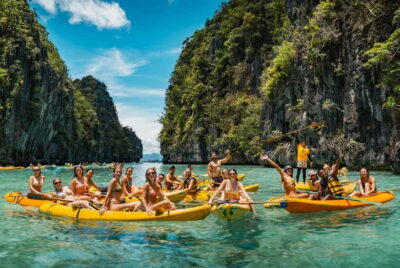
- Expect physical activity: Snorkeling, swimming, kayaking, cliff jumping, and island walks may be part of the schedule.
- Budget for extra fees: The $339 price includes most trip costs, but environmental fees for Coron, Linapacan, Culion, and El Nido are separate.
A boat trip that feels like an island expedition
A normal island-hopping trip sends you back to town before sunset. This one keeps you out among the islands for two nights. That changes the mood completely. Instead of racing back to a hotel, you watch the light fade over the water, eat dinner near the beach, and sleep to the sound of waves.
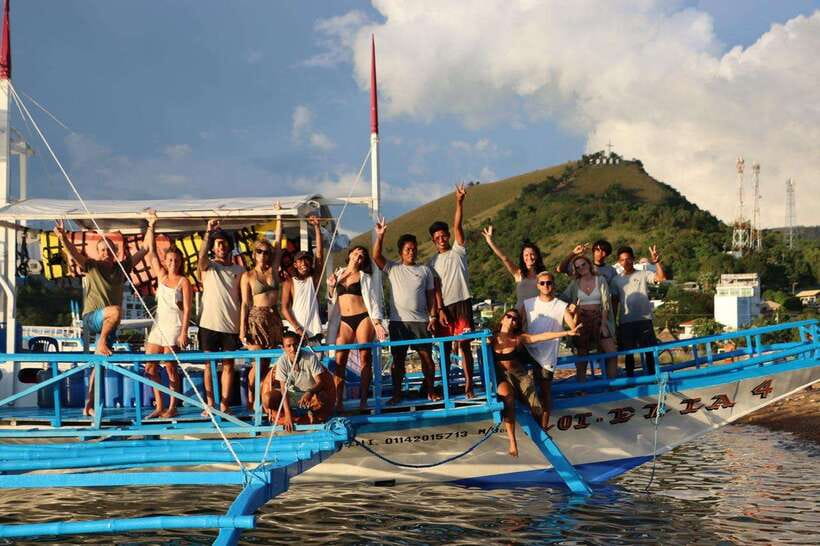
The route runs in both directions. You can travel from El Nido to Coron or from Coron to El Nido. The boat is a traditional Filipino bangka, a practical local craft rather than a polished yacht. It carries the group, crew, food, snorkeling gear, and luggage across open stretches of Palawan.
You should expect a social trip. Guides are not simply there to point out the next beach. They organize activities, help people into the water, explain fish and reefs, and create a friendly mood onboard. Several groups have singled out guides including JJ, Madu, Antonio, Baby, Big Boy, Rico, Raymond, and Macky, though your exact crew depends on the departure.
That personal contact matters here. The boat, huts, and facilities are basic, so the warmth and effort of the crew become a big part of the value.
More Multi-Day Island Hopping in El Nido:
- 2-Day Royal Palace Ha Long Bay & Ti Top Island Cruise
★ 4.6 · 627 reviews - Airlie Beach: Whitsunday Islands 2-Day Sailing Tour
★ 4.5 · 452 reviews - Airlie Beach: 2-Day Whitsunday Islands Sailing Snorkel Tour
★ 4.4 · 215 reviews
The evening briefing and the start from port
The pre-departure briefing takes place at 5pm on the evening before you leave. El Nido departures meet at the We Are Juan office in Pops District, about halfway down on the right side between the Pops District entrance and the beach. Coron departures meet at the company office opposite Jollibee.
This briefing is mandatory, and it is useful. You receive practical instructions about the boat, luggage, departure plans, and what to carry each day. It also gives you a chance to meet some of the group before the early part of the expedition gets underway.
Your main luggage stays stowed onboard. There is no stated weight or size limit, but you should still pack sensibly. Prepare a small day bag with sunscreen, a hat, sunglasses, towel, camera, insect repellent, cash, and anything else you need for three days. A secure dry bag is especially useful because you may be moving between boat, kayak, beach, and hut.
Do not pack as if you are checking into a hotel. Keep valuables and essential items in the smaller bag. Getting into the storage area each time you need sunscreen or dry clothes will be awkward.
Day one: leaving the tourist trail
The first day settles you into the rhythm of the crossing. The boat travels away from the busier coastal centers and toward less developed islands, with stops for swimming and snorkeling along the way.
Exact stops vary, and the schedule depends on sea conditions. That is worth understanding before you book. This is not a fixed sightseeing circuit with a named attraction at every hour. The crew chooses safe and appealing places along the route, then adjusts the plan if weather or water conditions change.
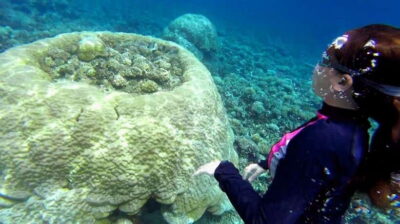
The snorkeling is one of the main reasons to choose this trip. Equipment includes a mask and snorkel, and the route reaches reefs away from the most heavily visited areas. You may see a good range of marine life and coral, though no wildlife sighting can be promised. One person happened to see a leatherback turtle, but that is rare and should be treated as luck, not an advertised feature.
The water is clear and inviting, but you need to be comfortable in the sea. At some overnight beaches, the boat anchors away from shore and you swim in. Guides can assist with a kayak or paddleboard if you are uncomfortable, and life jackets are provided, but the ability to swim is still important.
Between stops, you spend time onboard. Some people swim, snorkel, or talk with the group. Others rest in the shade when space allows. Several people found the boat crowded and short on shade, so do not picture a wide sun deck with loungers. Bring a hat and use sunscreen often.
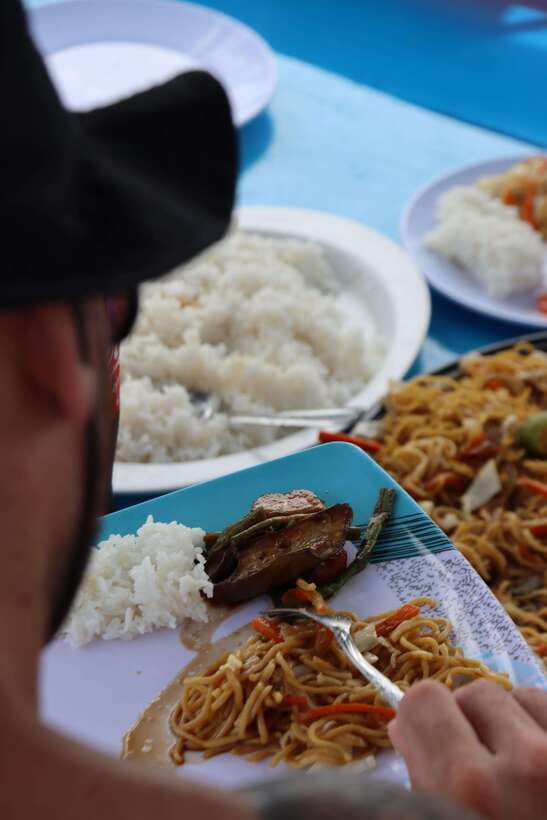
Meals are served during the day, and the food is more substantial than the setting might suggest. The chefs prepare Filipino dishes onboard, often with several choices and buffet-style service. Fresh meals, generous portions, and good variety are repeatedly praised. Vegetarian food is available, and one person with coeliac disease received careful attention from the kitchen. If you have a serious allergy, discuss it before departure rather than assuming the crew can handle every need at the last minute.
The first night in a native beach hut
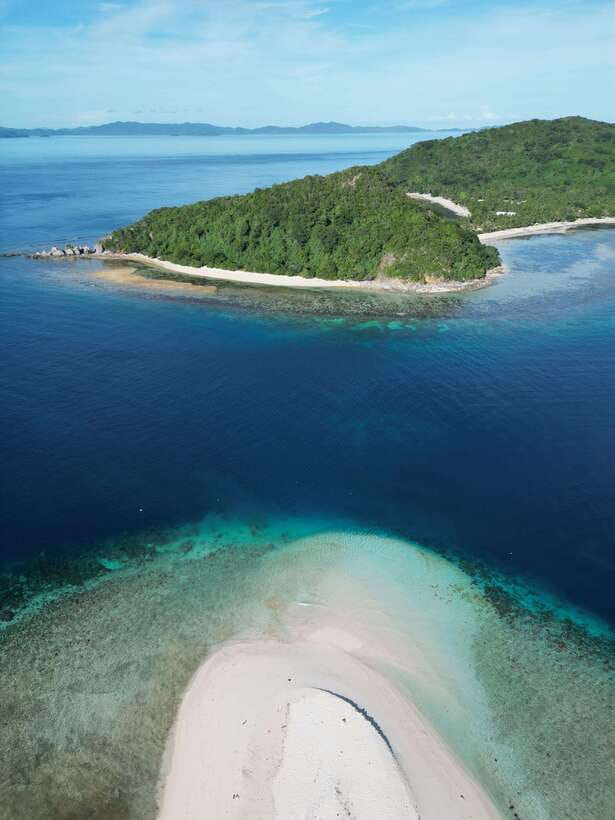
At the first overnight basecamp, you leave the boat and settle into a simple hut near the beach. The hut includes a mattress, pillow, sheets or linen, and a mosquito net. It is designed for two adults.
This is basic but not bare. You have a proper place to lie down, and the beach setting is the point. Falling asleep with waves outside and waking to sea views is a memorable part of the trip.
The huts do not have fans or air conditioning. Toilets and showers are shared and are not ensuite. Facilities can be very simple, and some camps may have limited washing arrangements. One person also reported a leaking hut during rain, which shows why you should bring a dry bag and keep important belongings protected.
Evening entertainment varies, but the crew often organizes karaoke, games, beach activities, or informal gatherings. Rum and gin are included, and the social atmosphere can become lively. You do not have to join every activity, but this trip works best if you are willing to talk with people and take part.
A few more island trips around El Nido worth a look
- El Nido Islands: Shared Paraw Sunset Sailing
★ 4.5 · 30 reviews - El Nido Islands: Private Paraw Sunset Sailing
★ 4.8 · 14 reviews - Krabi: Phi Phi & 4 Islands Sunset Tour by Speedboat
★ 4.7 · 2,902 reviews - Island Sunset and Skyway Light Show – 3hr Boat Cruise in St. Pete
★ 5.0 · 1,871 reviews
Day two: snorkeling, swimming, and group energy

The second day usually offers more time in the water and more stops along the crossing. You may snorkel at reefs, swim from the boat, explore a beach, kayak, or take part in a cliff-jumping activity when conditions allow. Village visits and beach sports such as volleyball or basketball have also formed part of some departures.
The mix is useful because three days on a boat can become repetitive. You get active periods, sailing time, meals, and rest. Still, this is a long-distance transfer as well as an island tour. One person described the schedule as having a heavy sailing-to-activity ratio, which is fair. The boat must cover a considerable distance between El Nido and Coron, so not every hour is spent at a beach.
That sailing time is part of the experience for some people and a drawback for others. I would bring a book, music for offline use, or a small journal, though you should not expect a reliable connection. There is no Wi-Fi, and the limited electricity means you should arrive with devices charged and use a power bank if you need one.
The guides help the day feel less passive. They explain what to expect before activities and keep an eye on people in the water. Several guides have been praised for helping weaker swimmers, retrieving belongings, collecting coconuts, and making sure nobody is left out. That does not remove the need for personal caution, but it adds a reassuring layer to a boat trip in remote areas.
The second night: simple comforts and a shared table
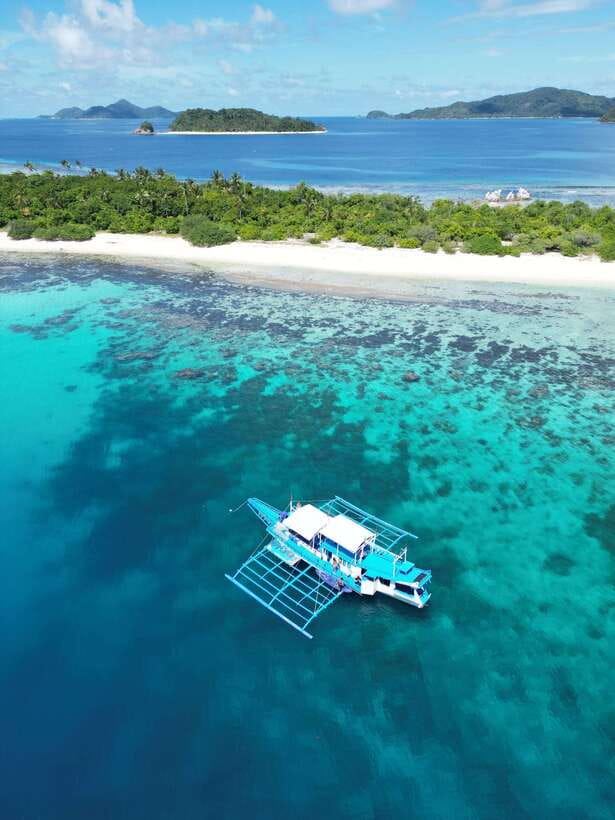
Your second night follows the same basic pattern: a beach hut, a shared toilet and shower area, dinner, and time with the group. The huts are not luxury accommodation, but they offer more comfort than sleeping directly on the sand.
The food is a real advantage of the $339 package. Breakfast, lunch, dinner, snacks, and purified drinking water are included, along with rum and gin. Several people considered the cooking among the best meals they had in Palawan, with fresh ingredients, Filipino dishes, and enough variety to keep three days interesting.
You should not read onboard chef as restaurant dining with unlimited choice. The kitchen is operating in a boat setting, and menus depend on supplies and conditions. But you are not expected to fend for yourself with packaged snacks. That saves money and removes the hassle of finding meals between remote islands.
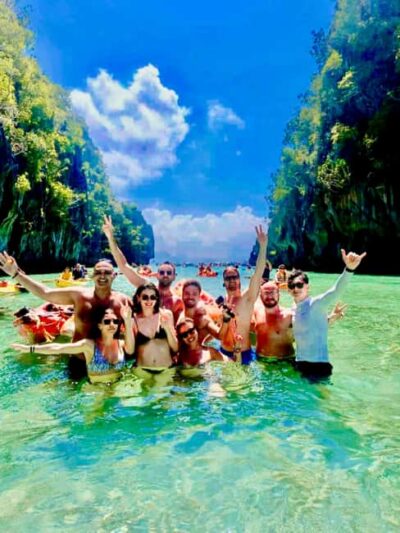
The evening is also where the social side peaks. Karaoke and games can turn a mixed group into a temporary little community. If you prefer quiet evenings, you can step away from the main gathering, but you will get more from the expedition if you enjoy meeting people from different countries.
Day three: the final sea crossing into Coron
The last day brings more sailing and usually a final set of water or beach activities, depending on weather and the boat’s progress. The crossing ends in Coron at about 4pm to 5pm on the third day when traveling from El Nido.
Allow extra time after arrival. One departure included a roughly 45-minute bus ride onward to El Nido, and that transfer was organized but not clearly expected by everyone. Check your own direction and onward arrangements carefully before booking flights, ferries, or a hotel check-in for the same evening.
The final arrival is not simply a transport detail. You may be tired, salty, sun-worn, and ready for a proper shower. That is normal after three days of swimming, sailing, and basic island living. Plan a comfortable room at the end if you can afford it. The contrast will feel deserved.
What the $339 price really covers
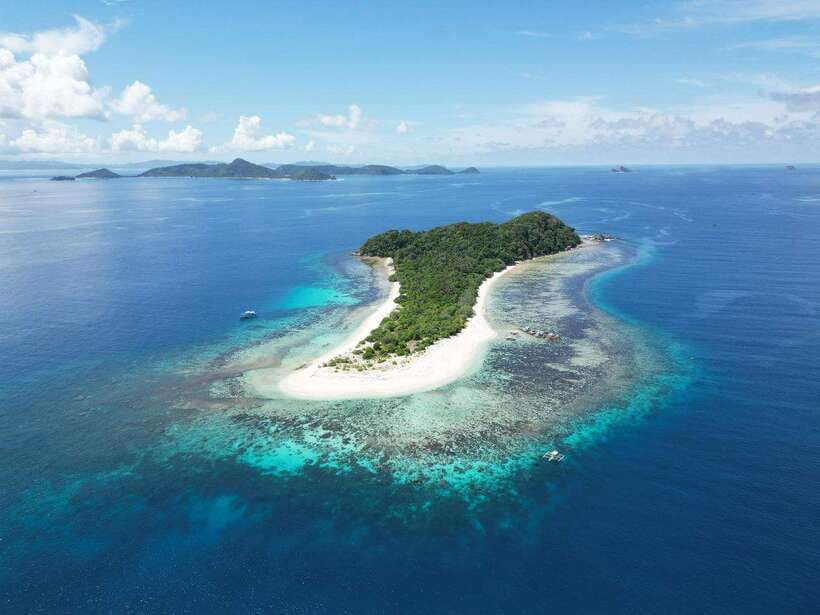
At $339 per person, this is not a cheap day excursion, but the package includes more than transport. You receive the boat, captain, local guides, two nights of hut accommodation, meals, snacks, purified water, snorkeling equipment, life jackets, entrance fees, the briefing, and a one-way transfer to San Fernando Port or the reverse transfer.
That makes the price easier to judge. You are paying for a three-day route through remote areas, not just a boat seat. Food and lodging are included, which limits extra spending during the trip. The value is strongest if you want to connect El Nido and Coron anyway and would otherwise pay separately for transport, accommodation, meals, and day tours.
The price does not include personal expenses, travel insurance, or several environmental charges. Budget separately for the Coron eco tax of 200 PHP, Linapacan environmental fee of 200 PHP, Culion environmental fee of 100 PHP, and El Nido environmental fee of 400 PHP, depending on your route and what applies.
Bad weather is also not included, naturally. The boat operates around sea and weather conditions, so flexibility matters. A perfect sunset is never guaranteed, and a rainy spell can affect beach time and hut comfort.
Who should book this expedition
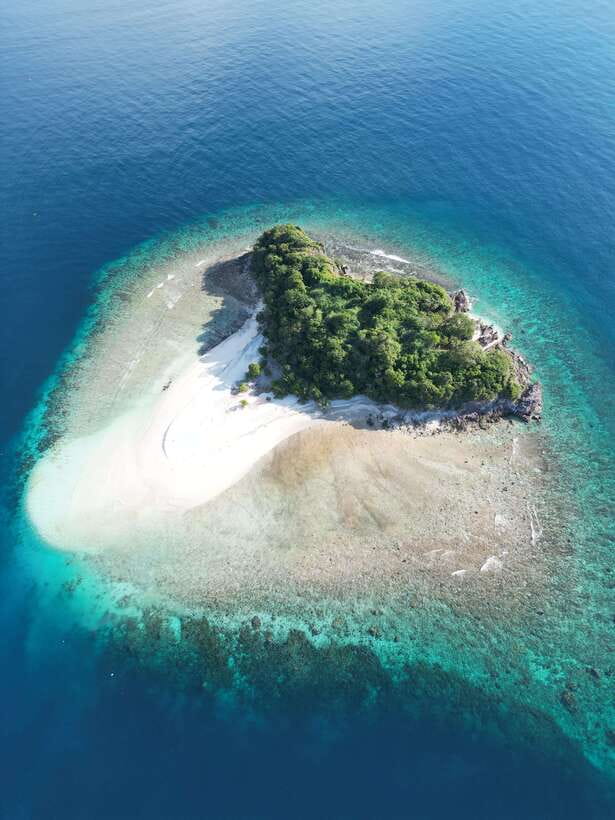
I would recommend it to you if you enjoy active trips, shared meals, simple accommodation, and meeting new people. It suits adventurous adults and older teenagers, with a minimum age of 16. It is particularly useful for anyone who wants to travel between El Nido and Coron without spending the whole journey in a standard ferry or flight terminal.
You should be reasonably comfortable swimming, climbing in and out of a boat, and handling heat, salt water, and basic facilities. Pregnant people, children under 16, and wheelchair users should not book this experience.
I would hesitate if you need air conditioning, private bathrooms, stable internet, lots of personal space, or a predictable timetable. The boat may feel cramped, and the shade is limited. This is also not the right choice if you want a quiet luxury cruise. Karaoke, rum, group games, and lively guides are part of the appeal for many people.
Practical packing advice for three days
Pack the small bag you will carry each day, then keep the larger luggage stowed. Include:
- A secure dry bag for phone, money, camera, and documents
- Swimwear, towel, sunscreen, hat, and sunglasses
- Insect repellent and light clothing
- Cash for personal spending and environmental fees
- A power bank, since electricity is limited
- Any required medication and personal toiletries
Do not bring more than you need. Wet clothes, sand, and a crowded boat make bulky luggage frustrating. Keep a dry change of clothes ready for arrival in Coron or El Nido.
The rule against littering is important in a place this remote. Carry wrappers and personal waste until the crew provides a proper disposal point. Your habits matter when the route reaches small islands with limited services.
Should you book the El Nido to Coron expedition?
Book it if you want the journey between Palawan’s two major island bases to become one of your main memories. The strongest reasons are the remote beaches, good snorkeling, generous Filipino meals, caring crew, and two nights beside the sea. The guides often bring real energy to the trip, and names such as JJ, Madu, Rico, Raymond, and Macky are closely associated with the friendly, hands-on style you can expect from the company.
Skip it if you want polished accommodation or control over every hour. The huts are simple, the boat can be crowded, the facilities are shared, and the route includes long periods of sailing.
For the right person, the $339 cost is fair. You get transport, food, accommodation, activities, equipment, and a rare chance to spend three days far from ordinary resort routines. Pack lightly, arrive with an open mind, and treat the basic conditions as part of the adventure rather than a service failure.
FAQ
How long does the El Nido to Coron expedition last?
The expedition lasts three days and two nights. When traveling from El Nido to Coron, arrival is expected at about 4pm to 5pm on the third day.
Are both travel directions available?
Yes. The experience operates from El Nido to Coron and from Coron to El Nido. The meeting point and briefing location depend on your departure city.
Where does the pre-departure briefing take place?
For El Nido departures, the mandatory 5pm briefing takes place at the We Are Juan office in Pops District. For Coron departures, it takes place at the office opposite Jollibee.
What are the sleeping arrangements?
You sleep in traditional native huts for two nights. Each hut has a mattress, pillows, sheets or linen, and a mosquito net. There is no fan or air conditioning, and toilets and showers are shared.
Do I need to be able to swim?
You should be comfortable in the water because the boat may anchor away from shore and you may need to swim to the beach. Life jackets are provided, and guides can assist with a kayak or paddleboard if needed.
What fees are not included in the price?
The price does not include personal expenses, travel insurance, or applicable environmental fees. Listed fees include 200 PHP for Coron, 200 PHP for Linapacan, 100 PHP for Culion, and 400 PHP for El Nido.
More 3-Day Experiences in El Nido
- BEST UNIQUE 3-Day Halong Bay Cruise, Lan Ha & Cat Ba Island
★ 4.5 · 103 reviews - Komodo Island: Private 3-Day Tour with Boat and Hotel Stay
★ 4.1 · 22 reviews - Hanoi: Ha Long Bay & CatBa Island 3-Day with Boutique Cruise
★ 3.2 · 10 reviews - Cozy Boutique Cruise – Lan Ha Bay & Cat Ba Island Explorer 3 Days
★ 4.0 · 2 reviews
Just added around El Nido
- Port Barton: Island Hopping with Lunch,Hotel Transfer & Fees★ 4.9 · 6 reviews
- From El Nido: Island, Lagoons, and Beaches Boat Tour★ 4.1 · 31 reviews
- EL NIDO: Sharing/Joiner Island Hopping Tour B★ 3.8 · 14 reviews
- El Nido: Secret Lagoon Island Hopping with Lunch★ 4.4 · 3 reviews
- El Nido: Private/Exclusive Island Hopping Tour B BEST PRICE!★ 5.0 · 6 reviews
- El Nido: Private/Exclusive Island Hopping Tour D BEST PRICE★ 4.1 · 3 reviews
- El Nido Private Tour A: Best Island Hopping★ 5.0 · 2 reviews
- EL NIDO: Private Island Hopping Tour A with BUFFET LUNCH★ 4.6 · 7 reviews
El Nido Island Hopping Tours, compared.
Island Hopping Tour A with Kayaking on Big Lagoon
Read our review →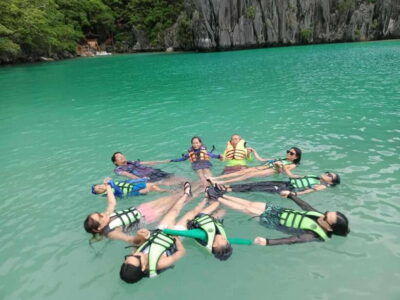
Sharing/Joiner Island Hopping Tour A w/BUFFET LUNCH
Read our review →
Private/Exclusive Island Hopping Tour A BEST PRICE!
Read our review →
Full-Day Premium Island Hopping Catamaran Cruise
Read our review →Browse the lists this tour appears in