
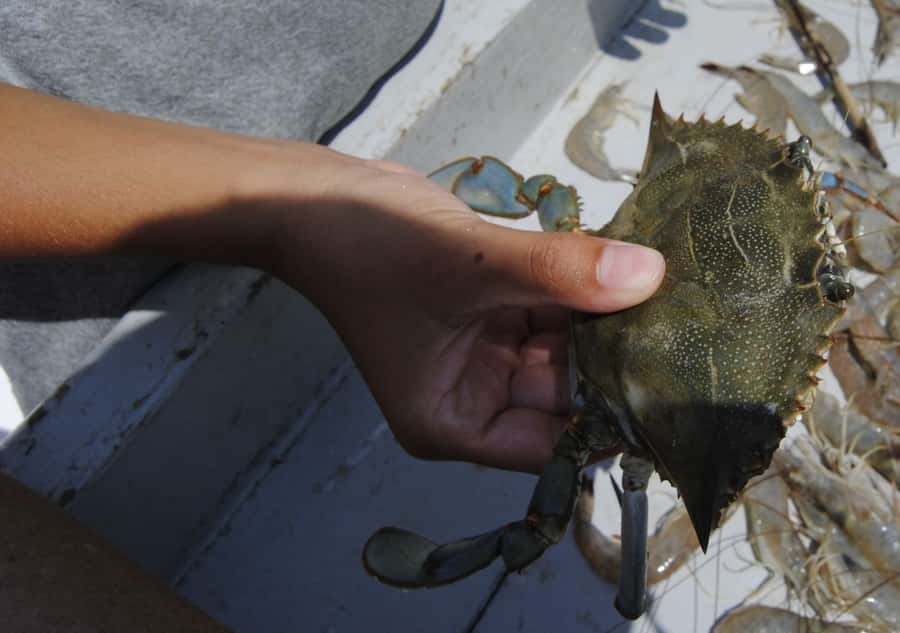
REVIEW · HILTON HEAD
Hilton Head Island: Crabbing Expedition Boat Tour
The best part of this Hilton Head excursion is that you do not just look at the water. You help bait crab pots, watch the crew haul them aboard with a winch, and sort the catch at the table. I like the working-waterfront lesson and the chance to take home some of the legal catch to cook later.
I also like the local focus. The crew explains commercial crabbing, shrimping, and the daily routine of Low Country crabbers rather than giving you a general sightseeing ride. The main catch is that this is more of an educational boat trip than a guaranteed fishing outing, and one recent trip produced only four legal crabs from nine pots.
Key points to know
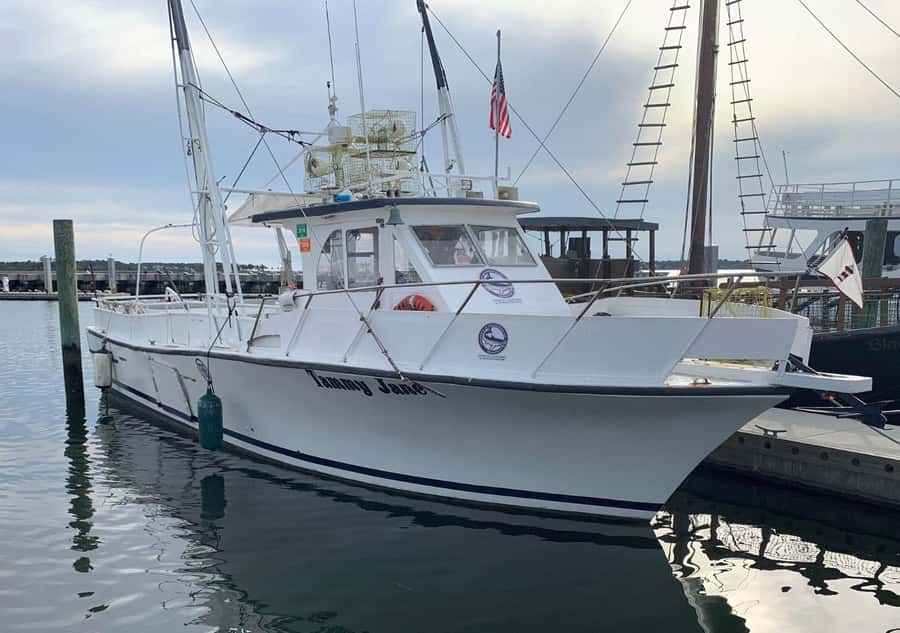
- Two hours from Harbour Town: Board the Tammy Jane beneath the Harbour Town Lighthouse.
- Hands-on crab-pot work: Learn how to bait pots, set them in the water, and see how crabs are trapped.
- A working-industry lesson: The crew discusses commercial crabbing and shrimping in South Carolina’s Low Country.
- Shared catch: Legal catch is divided evenly among the parties aboard, so bring a way to carry it home and ask for recipes.
- Strong guides: Jude, a marine biologist, and Captain Cody have received especially warm praise for making the trip informative and enjoyable.
- Plan for basic facilities: Bring cash, allow extra time for Sea Pines entry and parking, and do not count on a bathroom or hand-washing station aboard.
Starting beneath the Harbour Town Lighthouse
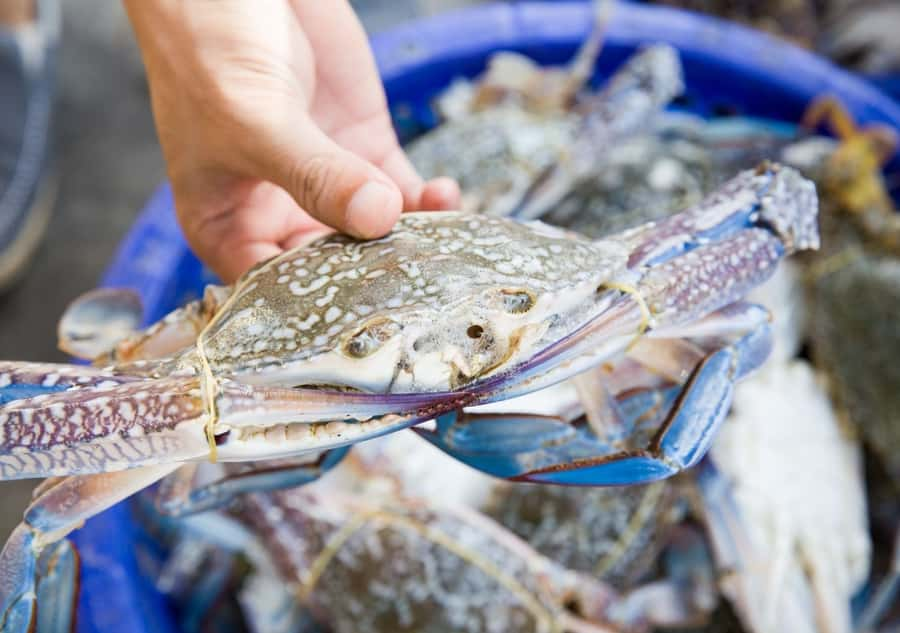
Your trip begins at the pier just below the familiar Harbour Town Lighthouse in Sea Pines Resort. Boarding starts 30 minutes before departure, and the vessel is the Tammy Jane. If you have a mobile or printed boarding pass ready, you can go directly to the boat for boarding.
This is not a big sightseeing circuit with a long list of landmarks. The ride begins by carrying you from the marina toward the crabbing waters, giving the crew time to explain what happens before a crab reaches your dinner table. That simple change in viewpoint is the real point of the outing. You see the work behind a familiar seafood meal.
Give yourself at least 45 minutes before departure. Afternoon parking can be limited, and you will need time to enter Sea Pines, park, and walk to the pier. If you are staying outside the resort, the entry fee is $10 per vehicle, paid in cash at the gate. The pass is good for the full day, so keep it if you plan to return to Sea Pines later.
The $50 tour price does not include that vehicle fee, food, or drinks. For one person, the cost is reasonable if you value instruction and a hands-on activity. The value is less certain if your only goal is bringing home a large amount of crab, since the catch depends on conditions and what the pots produce that day.
A few more island trips around Hilton Head worth a look
- Hilton Head Island Dolphin Boat Cruise
★ 5.0 · 1,424 reviews - Hilton Head Island: Daytime Dolphin Watching Boat Tour
★ 4.8 · 700 reviews - Hilton Head Island Guided Water Tour by Creek Cat Boat
★ 5.0 · 444 reviews
Learning how a commercial crab boat works
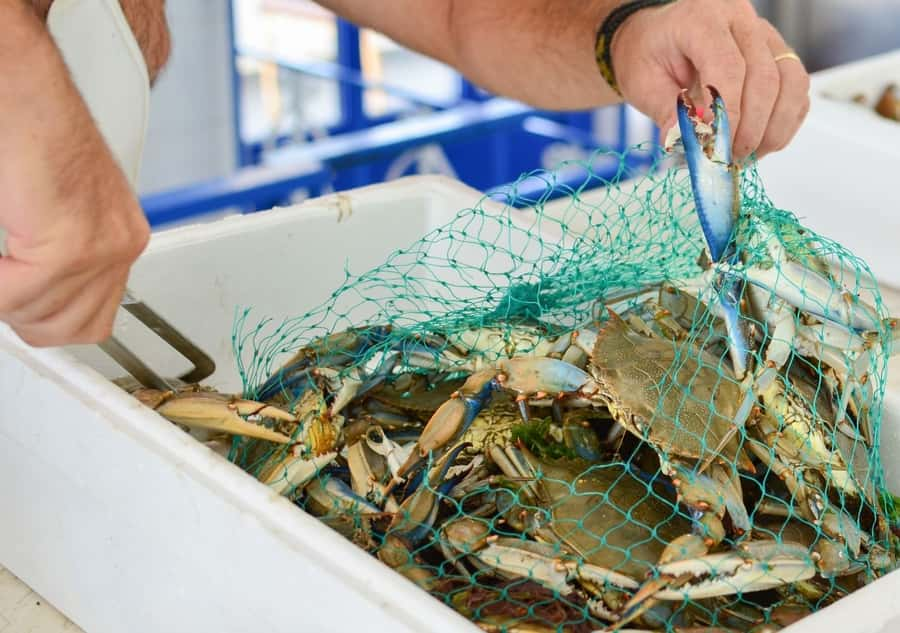
As the Tammy Jane heads out, the crew introduces you to the equipment and routine used by commercial crabbers. You learn how crab pots are baited, how they are placed in the water, and how crabs enter and remain inside.
The crew also talks about commercial shrimping and the working life of local crabbers. This gives the trip a useful Low Country setting. You are not simply learning the names of a few crab species. You are seeing how a small coastal industry operates and how much labor goes into bringing seafood from the water to a kitchen.
Jude, identified as a marine biologist, has been singled out for making the educational side of the tour especially interesting. Captain Cody has also earned strong praise for his work on the boat. If you enjoy asking questions, this is the sort of trip where curiosity pays off. Ask about the species in the area, what rules control the catch, and how the crew handles by-catch.
The tone is practical. The crew explains the process while you watch it happen, which makes the information easier to follow than a talk given entirely at the dock. Still, keep your expectations in check. This is not a private charter, and it is not designed around giving each person a personal fishing line or a guaranteed catch.
Baiting pots and setting them in the water
Once you reach the crabbing area, you get a closer look at how a crab pot is prepared. The crew shows you how to place bait inside and explains why the bait attracts crabs. You then see the pots put into position.
This is the most hands-on portion of the trip. You can watch the process from close range and better understand how the equipment works. For families, it gives children something real to follow: bait goes in, the pot goes down, and later the crew brings it back up to see what entered.
The activity is still controlled by the crew. The supplied information does not promise that every participant will handle every piece of equipment, so you should expect instruction and observation with some hands-on participation rather than a free-for-all on deck.
The number of legal crabs can vary. One trip brought up nine pots but produced only four crabs that could legally be kept. That is an important part of the experience, not a flaw in the basic idea. Commercial fishing is affected by location, timing, regulations, and the animals that happen to enter the pots. You are seeing a real catch, not a staged basket prepared for the group.
Pulling the pre-baited pots
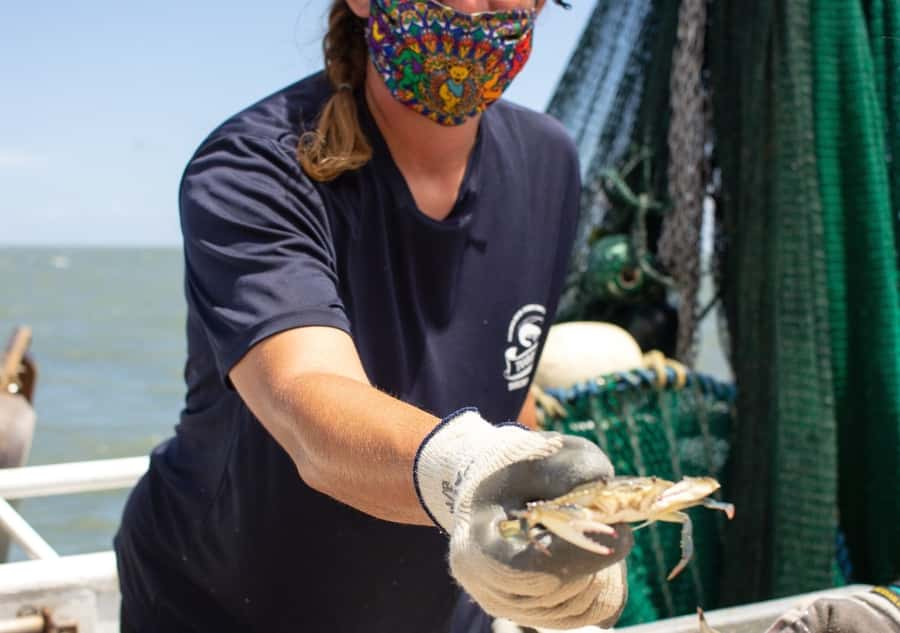
After the crew sets several freshly baited pots, they begin hauling pots that were baited the day before. The crew uses a winch to bring each pot aboard and places the catch on a sorting table.
This is the moment most people picture when they book the trip. You watch the pot emerge from the water, see what is inside, and learn how the crew separates crabs from other creatures. The process gives the outing its working-boat feel, even though the trip lasts only two hours.
The sorting table becomes a small lesson in local marine life. The crew identifies different kinds of crabs and explains the by-catch that comes up with them. You also learn what is legal to keep and what must go back into the water. That legal distinction matters. You are not simply collecting whatever looks large enough. The crew teaches you to respect local rules and the health of the fishery.
At this point, I would pay close attention to the explanation rather than focus only on the size of the catch. The number of crabs may be modest, but you leave with a much clearer sense of how commercial pots work and why not every crab can go home with you.
Same water, a different boat:
- Hilton Head Island: Sunset Dolphin Cruise
★ 4.6 · 412 reviews - Hilton Head Island Ocean Dolphin Cruise
★ 4.5 · 395 reviews - Hilton Head Island: Sunset Dinner Cruise
★ 4.5 · 211 reviews - Hilton Head Island: Round-Trip Ferry Ticket to Savannah
★ 4.5 · 174 reviews
Understanding legal catch and sharing the haul
The legal catch is divided evenly among the parties aboard. You are welcome to keep your share, and the crew can offer crab recipes for cooking it at home.
That shared system is fairer than promising each person a fixed number of crabs. The total catch belongs to the group, and everyone who wants a portion receives an equal share. At the same time, the amount each person takes home depends on how many participants are aboard and how productive the pots are.
This is why the trip works best when you see the food as a bonus rather than the main product. A modest portion can still make the experience feel complete, especially when you prepare it yourself. Ask the captain for recipe ideas before leaving. The cooking advice is a useful final link between the boat and your table.
Bring cash as requested in the trip information. Food and drinks are not included, so plan ahead rather than expecting refreshments aboard. The details do not specify that a cooler, storage container, or ice is provided, so ask the captain how to carry your share home before departure.
The educational side is stronger than the fishing side
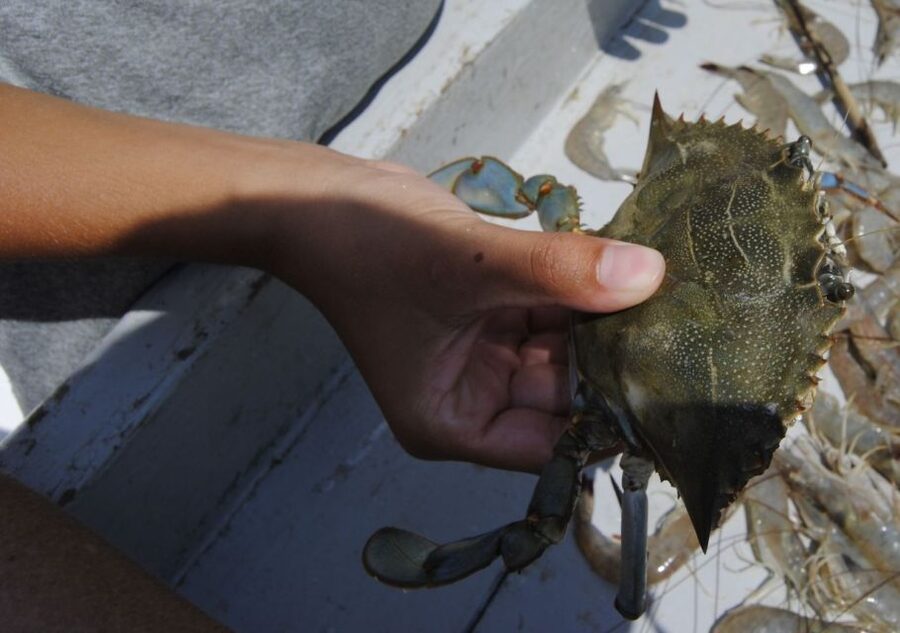
The clearest choice you need to make is whether you want a short lesson about local crabbing or a traditional fishing trip. This experience leans strongly toward the first option.
A recent participant found the marine biology and explanations interesting but felt the trip did not fully match the expectation of a fishing tour. That is a fair warning. You are not promised a large haul, and the catch can be small. If your idea of a perfect morning is constant action and a full cooler, this may disappoint.
If you like learning how a boat operates, identifying crabs, and seeing a real harvesting process, the same feature becomes a strength. The trip gives you access to a working method that is hard to understand from shore. It also introduces you to an important part of the Low Country economy without requiring a full-day fishing charter.
The tour has earned a 4.3 rating from seven reviews, with especially strong praise for the crew’s instruction and attitude. Captain Cody has been called excellent, and Jude’s marine biology background adds useful depth. The high marks make sense for people who want an informative, friendly outing, but the more critical experience is valuable too: the trip is not a guaranteed seafood haul.
Practical comfort issues to consider
You should know about a few basic limitations before you book. One recent trip had no water for washing hands, no bathroom, and no wrench available for participants to lift the pots. These details may not affect everyone, but they matter on a boat-based activity involving bait, sea water, and live catch.
The crew handles the winch and pot hauling, so you should not assume that you will operate all the machinery yourself. The description explains that the crew pulls the pots up and lays the catch on the sorting table. Your part is mainly learning, helping with baiting, watching the process, and taking part in the sorting lesson.
Wear clothes you do not mind getting a little messy, though the supplied details do not specify a dress code or safety equipment. Since food and drinks are not included, arrange your own refreshments within the rules of the boat. Most importantly, arrive prepared for a working boat rather than a polished restaurant-style cruise.
The English-language guide makes the tour suitable for those comfortable following spoken instruction in English. The trip lasts two hours, which is long enough to cover the process without taking up an entire day of your Hilton Head schedule.
Who will enjoy the Tammy Jane most
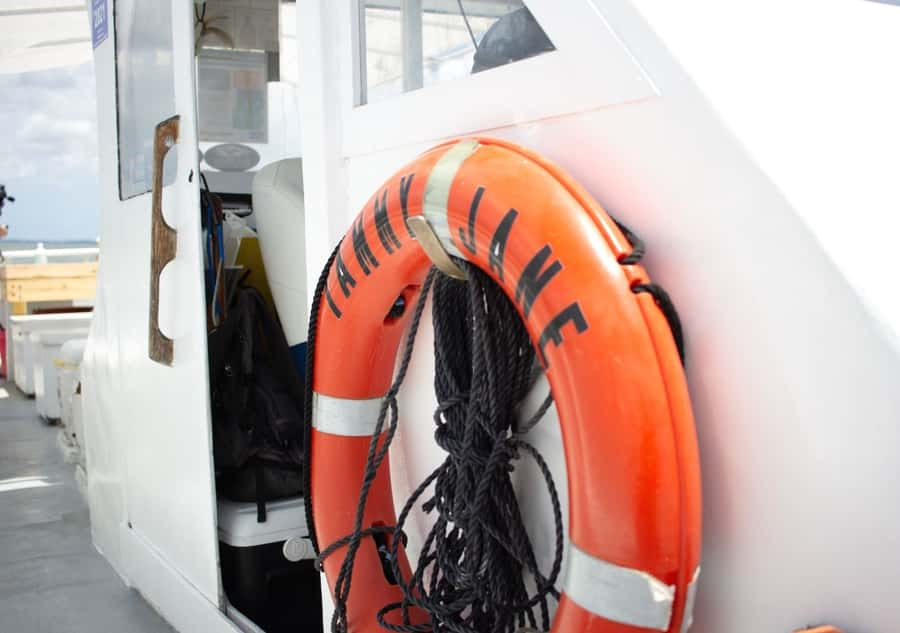
I would recommend this trip to families with children who are curious about animals, travelers interested in local seafood, and anyone who prefers a small working-industry lesson to a standard harbor cruise. The baiting, hauling, and sorting create a clear sequence that is easy to follow.
It also suits visitors who want an activity with a tangible result. Even a small share of crab gives you something to discuss and cook after the boat ride. The shared catch is a pleasant extra, especially if you enjoy preparing local food.
I would be more cautious about recommending it to someone seeking a serious fishing charter, a guaranteed quantity of seafood, or a comfortable boat with full facilities. The price is fair for two hours of instruction and boat time, but it is not a bargain if your only measure is the weight of crab you carry away.
Book with an open mind about the catch. The best return comes from learning how crab pots function, hearing about local crabbers, and seeing the rules of a real fishery in action.
Booking details that affect the value
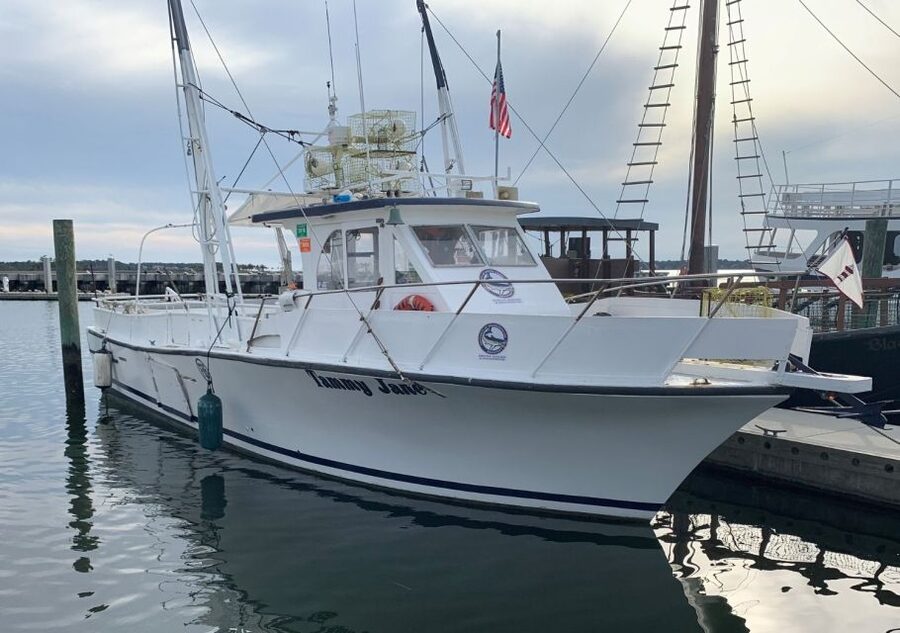
The cost is $50 per person, with the day’s legal catch included and divided among the parties aboard. That makes the price easier to justify than a boat ride with no included activity, but the exact food value cannot be predicted.
You can cancel up to 24 hours before departure for a full refund, and you can reserve now while paying later. Starting times vary, so check availability when selecting your date. Boarding begins 30 minutes before departure, but arriving 45 minutes early is the safer plan because of Sea Pines parking.
Remember the separate $10 resort entry fee if you are staying outside Sea Pines. It is charged per vehicle, not per person, and the pass remains valid for the day. That cost becomes less bothersome if you plan to spend more time in the resort, but it is still part of the outing’s real price.
Should you book this crabbing expedition?
Book it if you want a practical, two-hour lesson in Low Country crabbing with a chance to take home a share of the catch. The strongest reasons are the hands-on pot work, the commercial fishing context, and the crew members who make the science and daily routine easy to understand.
Skip it if you want guaranteed seafood, extensive personal fishing time, or onboard comforts such as a bathroom and hand-washing station. The most useful expectation is simple: you are joining a working demonstration, not buying a full cooler of crab.
For the right visitor, the modest catch is not the main story. The value lies in seeing how the pots work, learning what can legally be kept, and connecting a Hilton Head meal with the people and equipment that bring it from the water to your plate.
FAQ
Where does the crabbing tour depart?
The tour departs from the pier beneath the Harbour Town Lighthouse at Sea Pines Resort on Hilton Head Island. The boat is the Tammy Jane.
How long does the crabbing expedition last?
The experience lasts two hours. Starting times vary, so check availability for your preferred date.
What is included in the $50 price?
The price includes the boat excursion, live English-language instruction, and an evenly divided share of the day’s legal catch for those who want to keep it.
Do I need to pay to enter Sea Pines Resort?
If you are staying outside Sea Pines Resort, you must pay a $10 fee per vehicle at the entry gate in cash. The pass is valid for the entire day.
How early should I arrive?
Boarding begins 30 minutes before departure. Because afternoon parking can be limited, arriving at least 45 minutes before departure is recommended.
Can I cancel the reservation?
Yes. You can cancel up to 24 hours before departure for a full refund. You can also reserve now and pay later.
Just added around Hilton Head
- Hilton Head Island: Sunset Creek Cat Boat Tour★ 5.0 · 4 reviews
- Hilton Head: Guided Disappearing Island Tour by Mini Boat★ 5.0 · 6 reviews
- Hilton Head Island: Shrimp Trawling Boat Tour★ 4.8 · 60 reviews
- Hilton Head Island: Self-Drive Pontoon Boat Rental★ 4.9 · 19 reviews
- Hilton Head Island: Sunset Dinner Cruise★ 4.5 · 211 reviews
- Hilton Head Island: Round-Trip Daufuskie Island Ferry★ 4.5 · 41 reviews
- Hilton Head Island: Pontoon Boat Rental★ 5.0 · 4 reviews
- Hilton Head Island: Round-Trip Ferry Ticket to Savannah★ 4.5 · 174 reviews
Hilton Head Island Hopping Tours, compared.
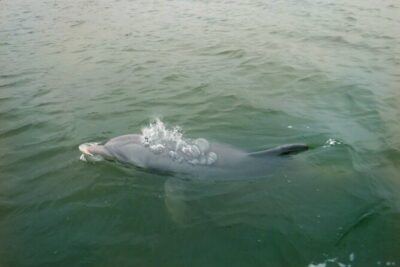
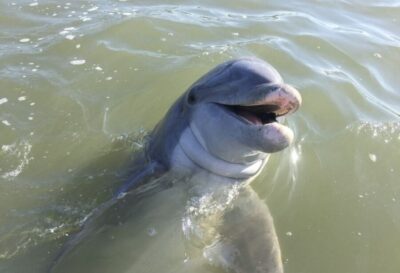
Hilton Head Island: Daytime Dolphin Watching Boat Tour
Read our review →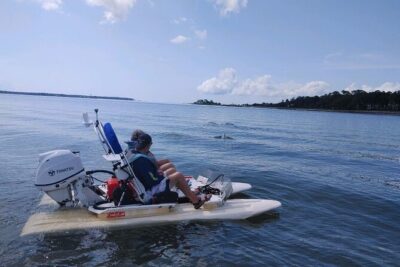
Hilton Head Island Guided Water Tour by Creek Cat Boat
Read our review →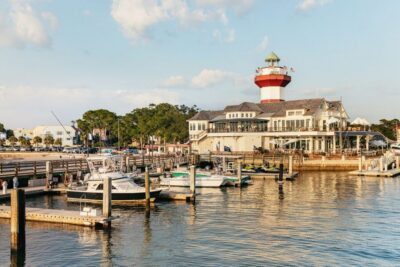
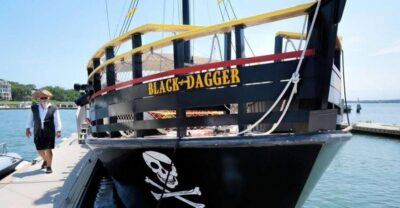
Hilton Head Island: Pirate Cruise on the Black Sparrow
Read our review →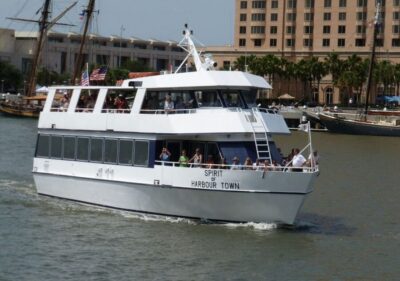
Hilton Head Island: Round-Trip Ferry Ticket to Savannah
Read our review →Browse the lists this tour appears in